What a solar water heater is meant to do
A solar water heater uses the sun to warm water before it reaches your taps, shower or geyser line. In plain terms, it reduces how much electricity or other power you need for hot water. That matters in Pretoria and Centurion where load-shedding, high water use and daily family routines all put pressure on a home system.
The aim is not only to save on energy use, but to keep hot water available in a way that suits the property. A small household in a townhouse may need a different arrangement from a guesthouse, salon or office kitchen in Midrand or Johannesburg. The right system should match the water demand, roof space and the way the property is used each day.
In many cases, the system works alongside an existing backup water heating setup. That gives you a practical balance between solar gain and reliable hot water when the weather is poor or usage is higher than usual.
The main parts in a typical installation
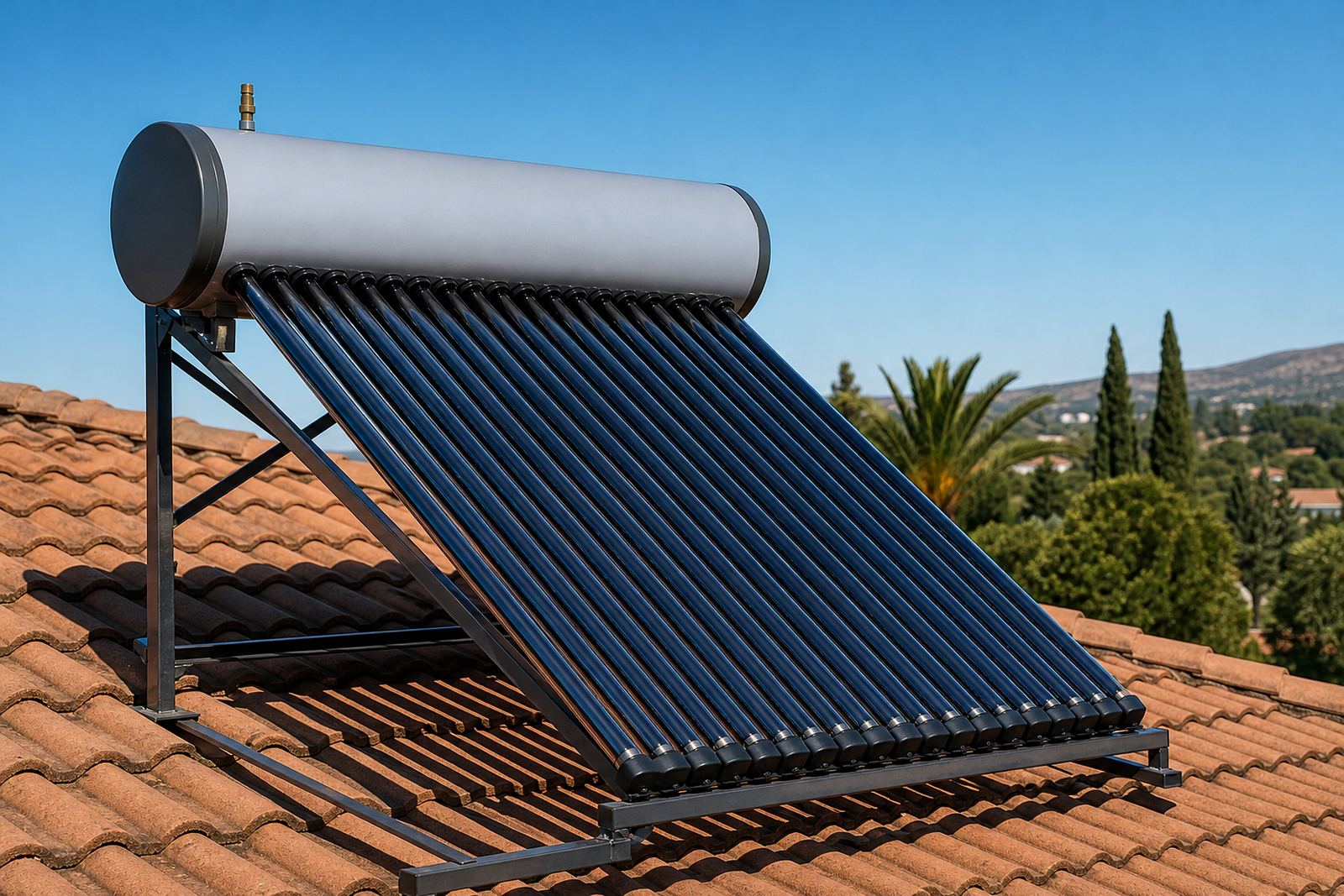
Most solar water heater installations have a few core parts that do the heavy lifting. The collector or panel absorbs heat from the sun. The tank stores hot water. Pipework carries water between the roof and the storage area. Valves, pumps or controls may also be included depending on the design.
- Collector: mounted on the roof or another suitable sunny area
- Storage tank: keeps heated water ready for use
- Pipework and insulation: reduces heat loss between the roof and the taps
- Controls and valves: help manage flow, pressure and temperature
- Backup heating element or support system: assists when sun input is low
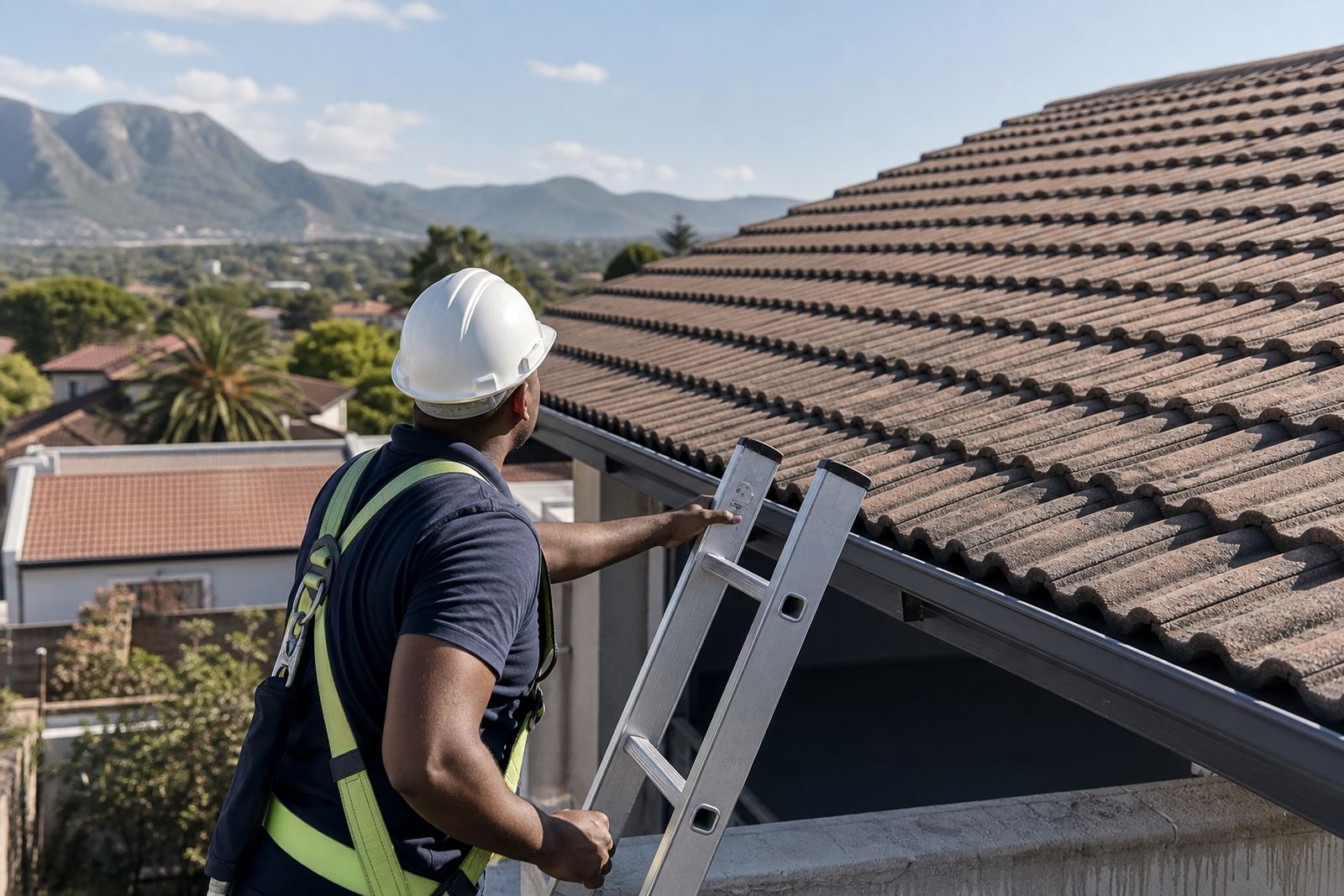
On some properties, the layout is simple. On others, especially where the roof is steep or there is limited access, the fitting takes more planning. Coastal humidity in Durban or Cape Town can also affect the choice of materials and the way pipes are secured and insulated.
How the system works on a South African roof
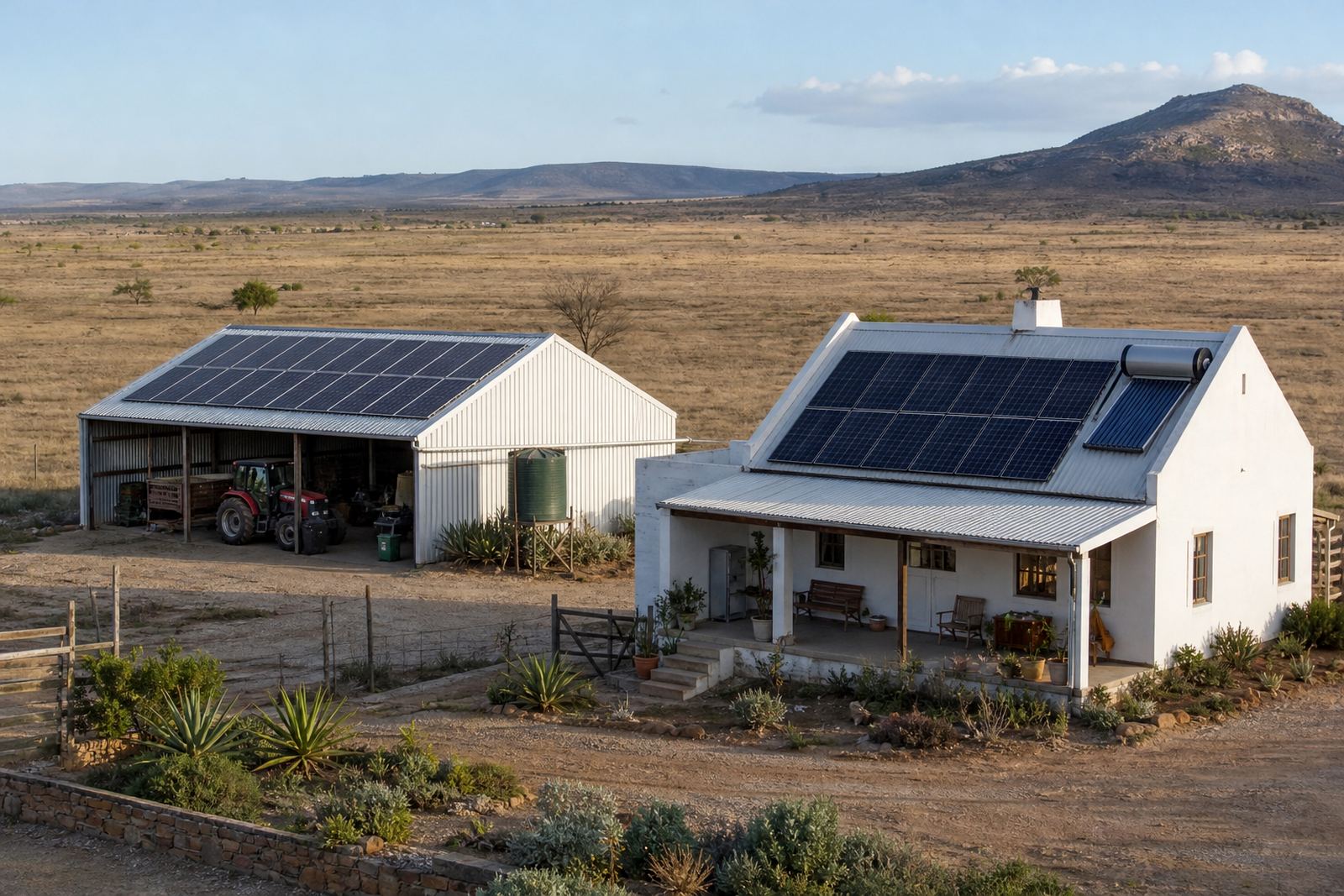
The collector receives sunlight and transfers that heat to the water, either directly or through a heat exchange arrangement. The warmer water rises into the storage tank, while cooler water returns for reheating. This cycle keeps going as long as there is enough sunlight and the system is set up correctly.
In practice, the roof angle, shade from trees or nearby buildings, and the direction the collector faces all matter. A site in Bloemfontein with open sun exposure may perform differently from a shaded property in Pretoria East. Even a few hours of winter shade can change how much useful heat the system gathers.
Good installation is about more than fixing hardware to the roof. The water line has to be planned carefully so the unit performs well, does not leak and can cope with day to day use. That is why electrical work, where needed, must always be done by qualified installers.
What to check before you install one
Before a water heater is fitted, the property should be assessed properly. Roof strength, plumbing access, geyser position, water pressure and electrical supply all need a look. It is also worth checking local municipal rules where approvals or plumbing compliance may apply, especially on tighter residential streets or sectional title properties.
- Check the roof has enough space and the right sun exposure
- Confirm the system size matches the number of users
- Inspect existing pipes, valves and geyser connections
- Plan for maintenance access, not just initial installation
- Allow for backup heating where needed during cloudy periods
For small businesses, this step is especially important. A salon in Johannesburg, for example, may need steady hot water at specific times, while a home in Centurion may use more water early in the morning and late at night. The installation should suit the routine, not the other way round.
Why the quality of installation matters
A solar water heater can only perform properly if the installation is handled with care. Loose fittings, poor insulation or badly routed pipes can lead to heat loss, dripping, pressure issues and unnecessary callouts later. That becomes more noticeable in winter, when every bit of heat counts.
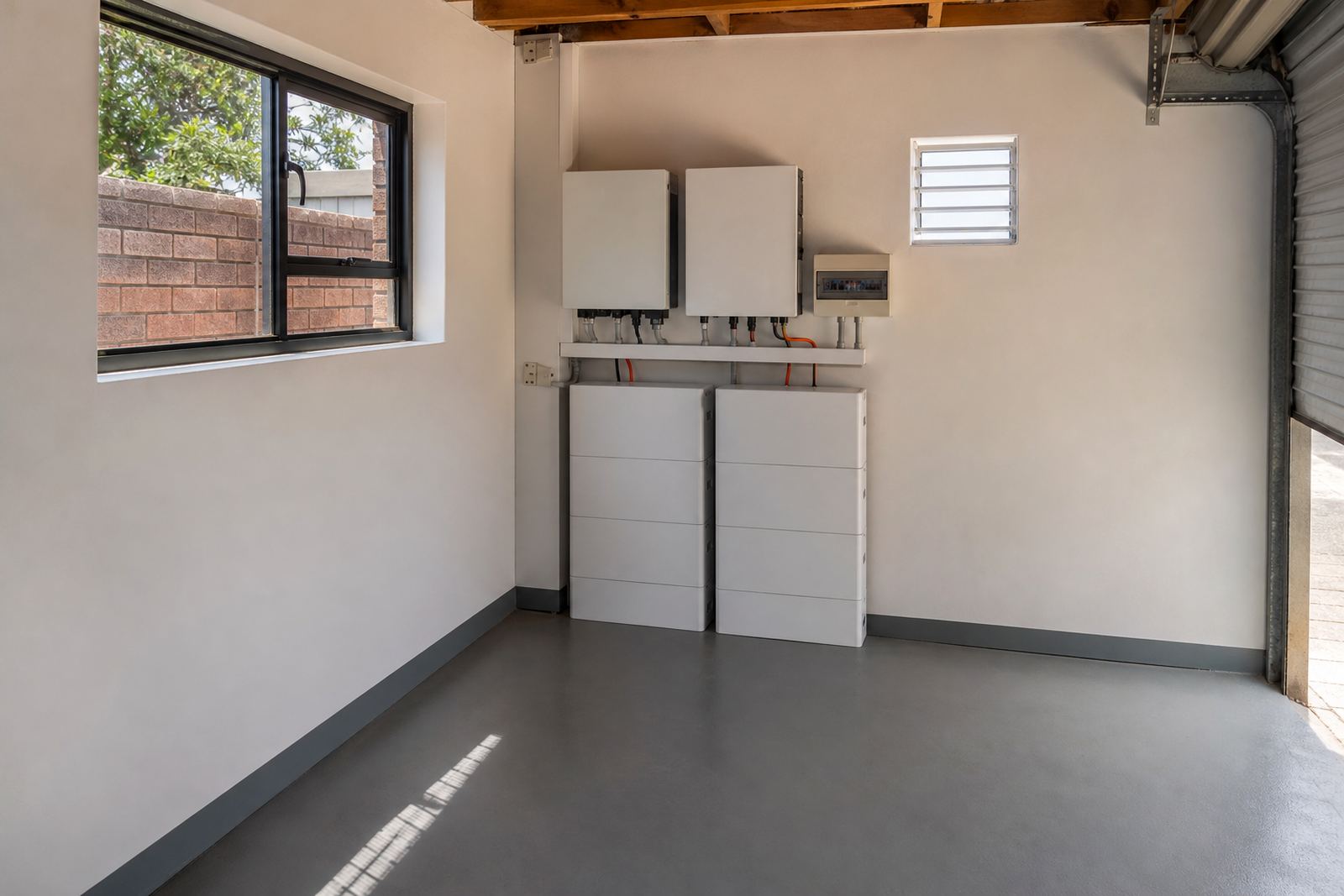
Qualified installers should handle the electrical side of the job where the system includes controls, pumps or backup elements. Plumbing connections also need to be done neatly so the system can be serviced without tearing half the roof apart. Good workmanship helps avoid the kind of faults that turn a practical upgrade into a nuisance.
At Linuo Solar, we often see that a proper site assessment saves time later. It lets the team choose the right mounting approach, pipe route and control setup from the start, instead of trying to correct poor planning after the fact.
Simple maintenance that keeps hot water flowing
A well installed system does not need constant attention, but it should not be ignored. Basic maintenance helps keep water hot, fittings tight and the collector working as it should. In dusty Gauteng suburbs, panel surfaces can collect dirt and reduce performance over time, so cleaning and checks matter.
- Keep the collector clean and free from heavy dust or debris
- Check for leaks around joints, valves and pipe connections
- Inspect insulation for wear, cracking or water damage
- Watch for unusual noise, low pressure or slower heating
- Arrange fault finding early if the system stops performing
On a family house in Pretoria or a small office in Midrand, a quick check after a storm or after heavy roof work can prevent bigger problems. Many issues are small at first, like a loose fitting or blocked pipe, but they can grow if left alone. Regular maintenance also helps the system last longer and keeps hot water more predictable through the year.