Start With The Roof Structure, Not The Equipment
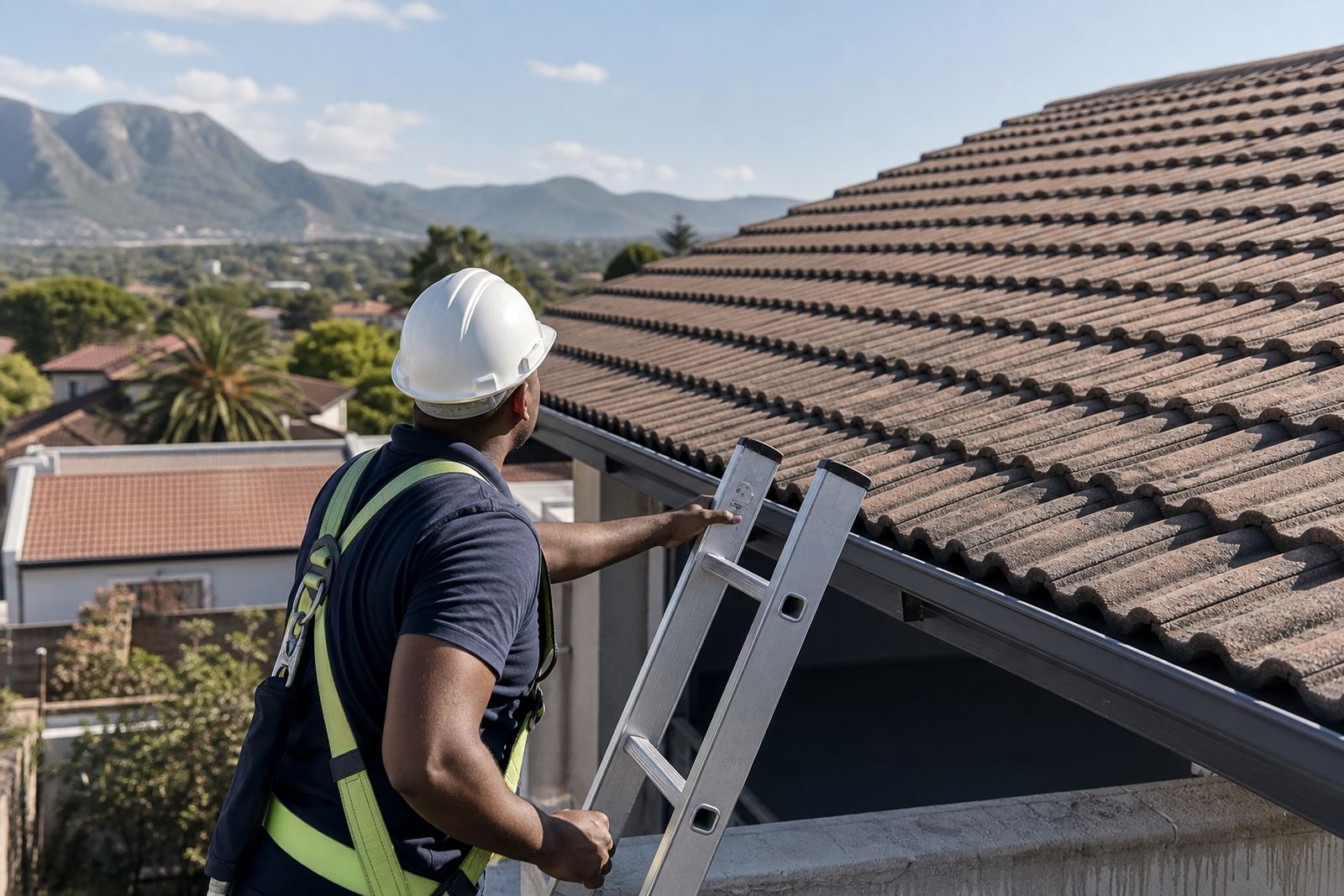
A roof suitability check begins with the structure underneath the tiles, sheets or slabs. Installers need to know what the roof is made of, how it was built, its age and whether there are signs of movement, sagging or water damage. A light gauge metal roof on a small business in Centurion is not checked in the same way as a concrete slab in Pretoria East, and coastal homes in Durban or Cape Town also need extra attention because moisture and wind can affect fixings over time.
For solar panels and solar water heaters, the main question is simple: can the roof safely take the added weight and uplift forces. That answer is based on a site visit, not guesswork. If there are cracked trusses, loose battens or rusted roof sheets, those issues must be sorted before installation starts.
- Roof type and age
- Visible damage, rust or leaks
- Condition of trusses, rafters and support members
- Access points for safe installation and future maintenance
Measure Load Capacity And Fixing Points Carefully
Solar panels are relatively light, but the mounting system, rails, clamps and in some cases the solar water heater cylinder all add load. Installers look at where that weight will sit and how it will be spread across the roof. They also check where fixings can be anchored without causing unnecessary leak risks. On older houses, especially where there have been roof repairs over the years, fixing points can be uneven and that needs proper planning.
Electrical work is done by qualified installers, but the physical roof work still has to respect the structure first. A neat installation is not just about straight panel lines, it is about placing the system where the roof can carry it safely for years.
- Weight distribution across the roof surface
- Strong fixing points into sound structure
- Allowance for maintenance access
- Clear paths for cabling and pipe runs
Shade, Orientation And Roof Space Decide What Fits
Not every roof has the right space or angle for a full solar array. Installers check which areas get full sun, where trees, chimneys, parapets or nearby buildings cast shade, and whether the available roof planes can take the number of panels needed. In Pretoria and Johannesburg, a roof facing the right way can often work well, but a shady neighbour’s roofline or a tall palm tree can reduce output more than people expect.
For solar water heaters, the cylinder and collector layout also matter. Some systems need a cleaner run than others and the roof must allow for safe positioning without blocking gutters, ventilation or roof access. If a roof has good sun but poor space, the installer may recommend a smaller layout or a different placement plan.
- Shading from trees, walls and nearby structures
- Roof angle and sun exposure through the day
- Space for panels, rails and service access
- Positioning that does not interfere with drainage or ventilation
Waterproofing Matters As Much As Energy Output
One of the biggest mistakes people make is focusing only on output and forgetting about leaks. Any roof penetration must be done properly, with correct sealing and compatible fixings for the roof material. On metal roofs, fasteners need to be selected carefully to avoid corrosion. On tile roofs, installers need to lift and refit tiles with care so the roof remains watertight.
In coastal areas, salty air can be hard on metal components, so installers will consider fixings and cable routes that stand up better to local conditions. In places like Bloemfontein, strong winds and hail exposure can also influence the choice of mounting method. A sound water barrier is part of a good solar job, not an optional extra.
- Correct sealant and flashing where needed
- Compatible fixings for tile, metal or slab roofs
- Corrosion resistance for local conditions
- Protection against future leaks around penetrations
Electrical Layout And Roof Condition Must Work Together
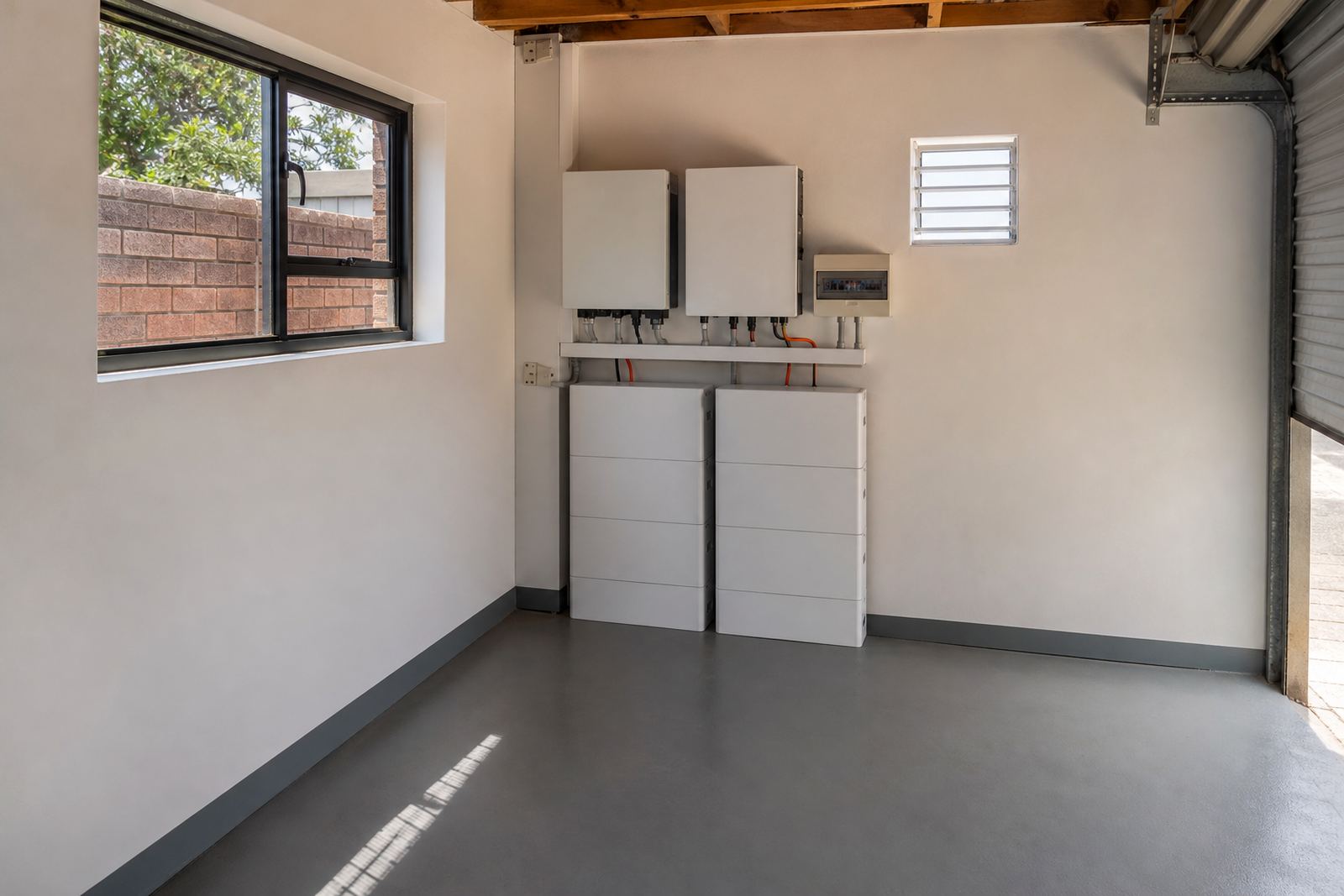
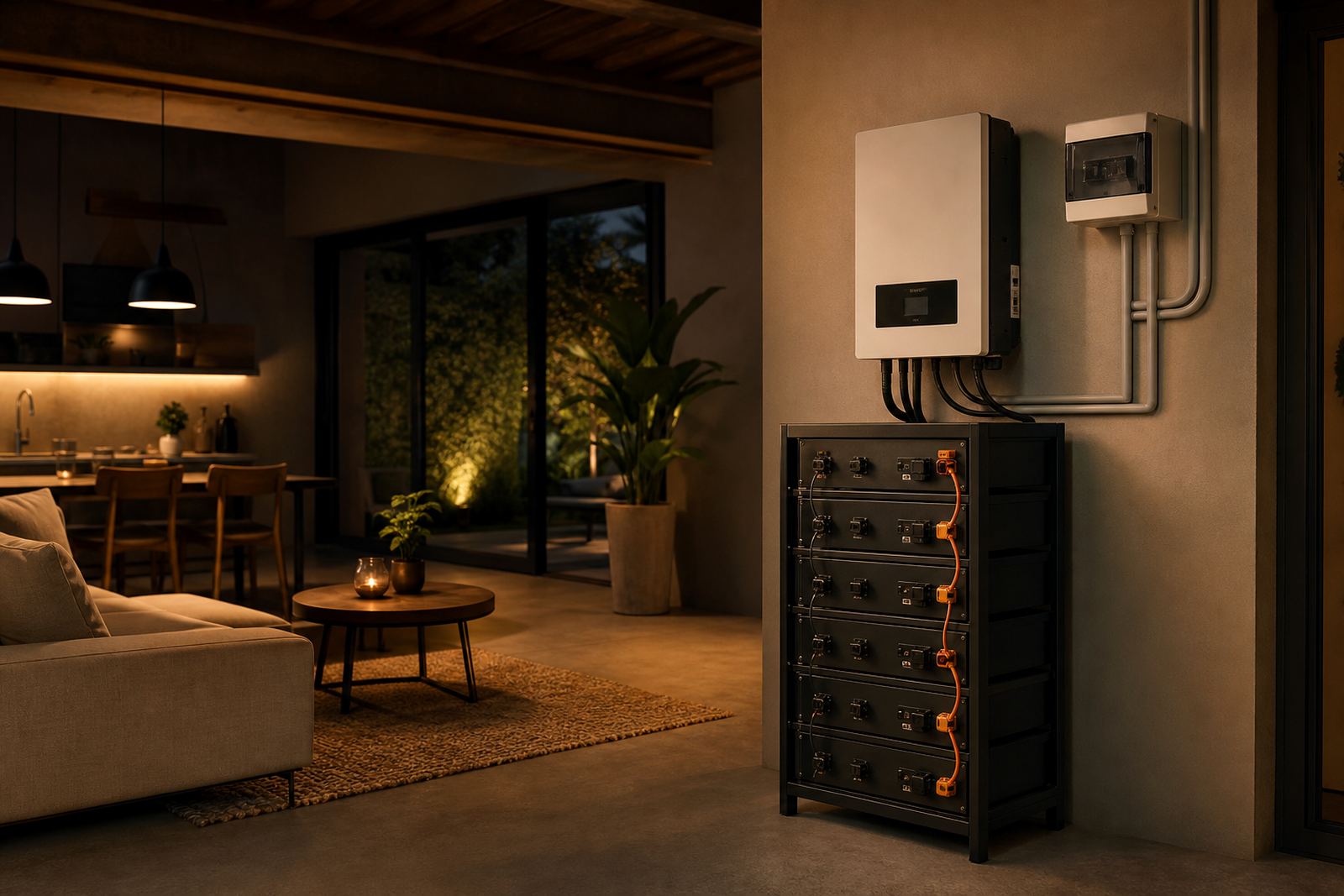
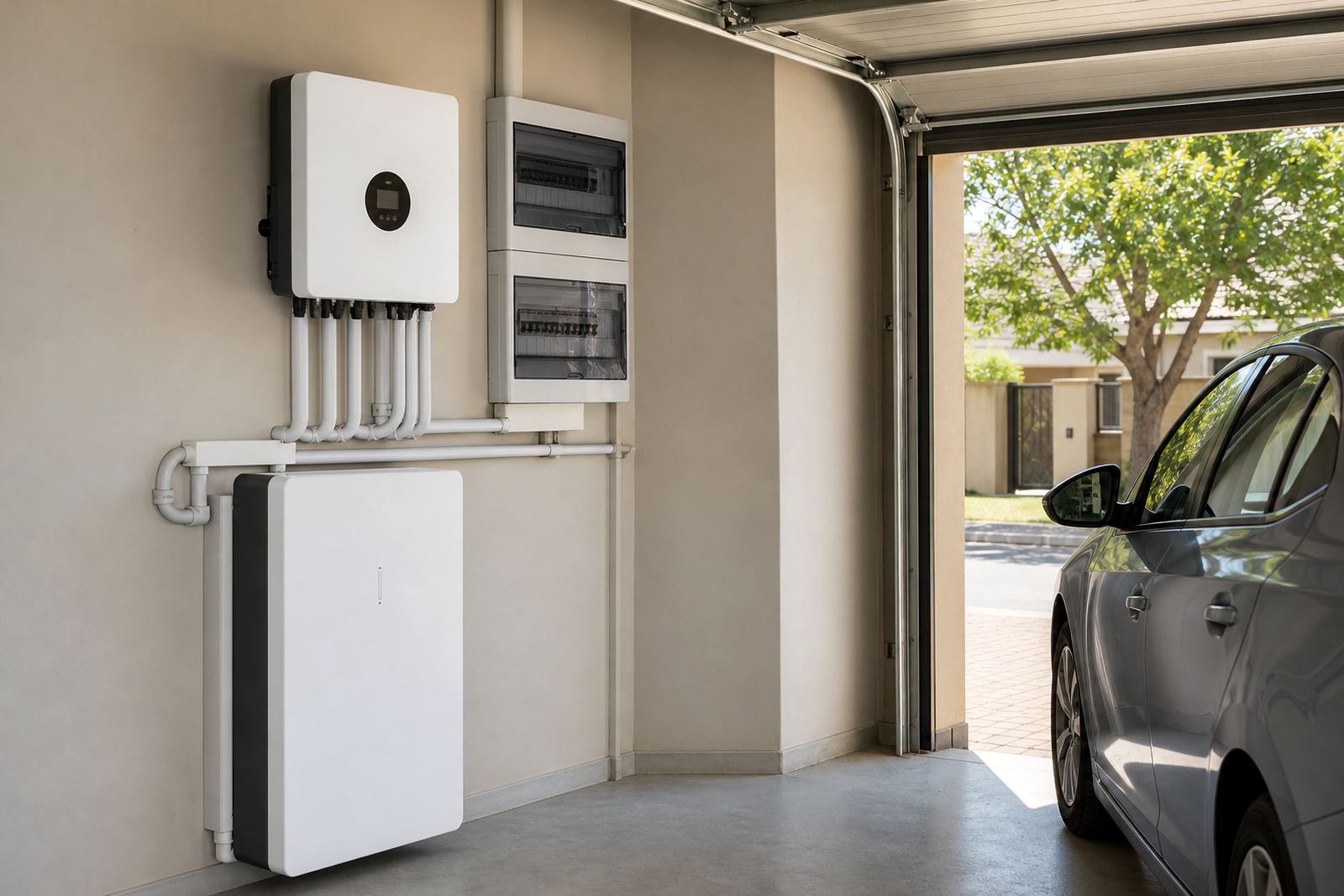
A roof can look fine from the street and still be poor for solar if the cable routes are awkward or the roof is near the end of its life. Installers check where inverter equipment, batteries and isolators will sit, then look at the simplest and safest way to get cabling from the roof to the main electrical board. If the roof is due for replacement soon, it may be better to do that first rather than remove and reinstall panels later.
For small businesses dealing with load-shedding, this planning is especially important. A system that is easy to maintain will usually perform better and cost less to look after over time. If the property also needs a battery or water heating system, the roof assessment should account for all of it together not in pieces.
- Short, practical cable runs
- Safe location for inverter and battery equipment
- Room for future servicing
- Roof lifespan compared with system lifespan
A Pretoria Example Shows Why Site Checks Save Trouble
A recent-style check on a Centurion home showed why a proper inspection matters. The owners wanted panels and a solar water heater, but the roof had a mix of older repairs, one shaded section and a few loose tiles near the ridge. The installer first checked the trusses from the ceiling side, then mapped the sun exposure from morning to late afternoon. It turned out one roof plane was good for panels while the other suited the water heating layout better.
Because the job was planned around the actual roof condition, the team could avoid weak sections, keep the rain protection intact and give the owners a cleaner result. That is the kind of practical approach clients should expect, whether the property is in Pretoria, Midrand, Durban, Cape Town or Johannesburg. A roof suitability check is not a box-ticking exercise, it is the part that helps the rest of the system work properly.
At Linuo Solar, the process starts with a site assessment and ends with commissioning, maintenance support and fault finding when needed. The aim is simple: fit the system to the roof, not the other way round.