What battery cycling means in a solar setup
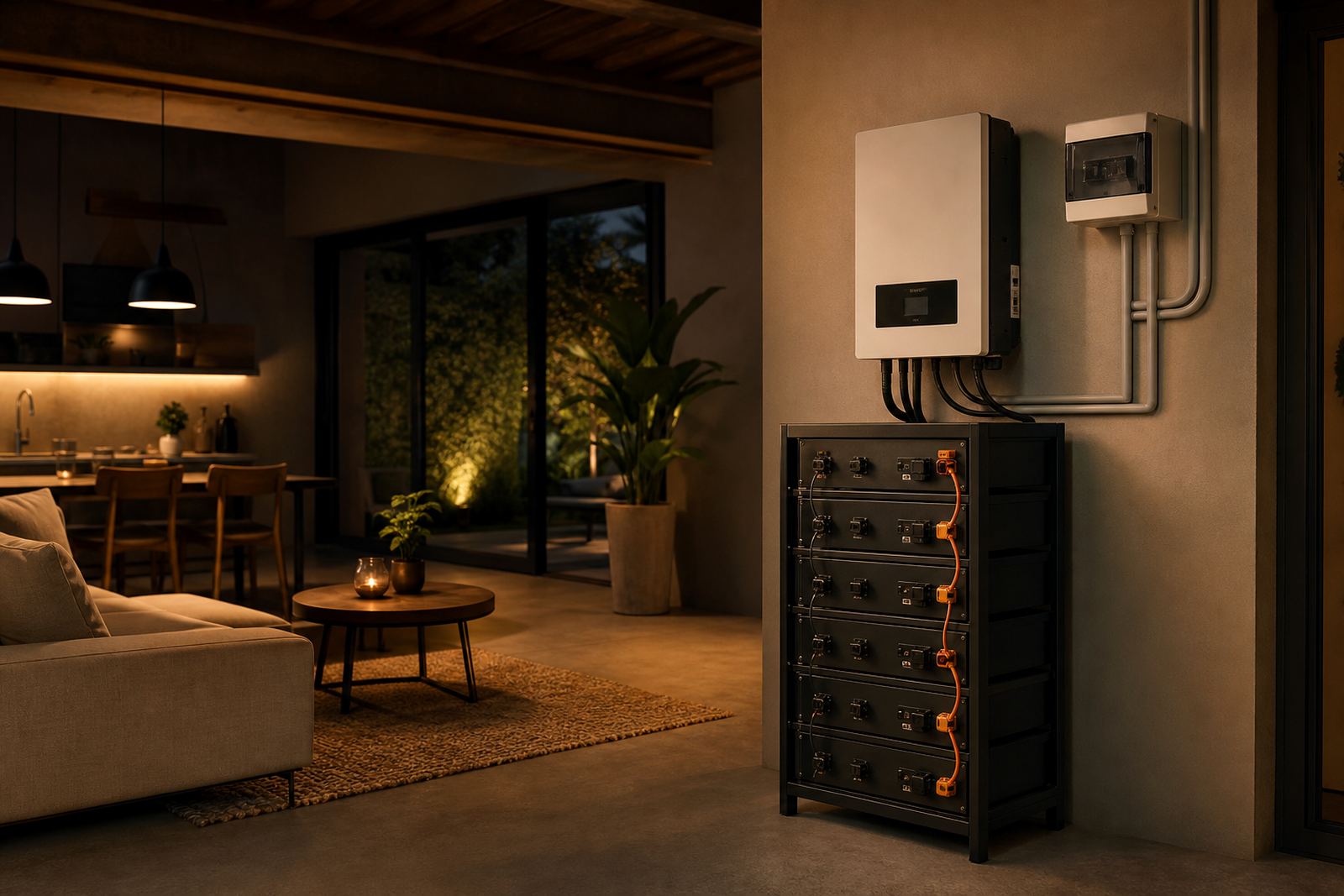
In plain terms, battery cycling is one full use of stored energy followed by a recharge. During the day, panels send power to the inverter and battery bank, then after sunset the battery supplies lights, plugs, routers or a few essential appliances until the next charging period begins.
That daily movement matters because batteries are designed for repeated cycles, not for sitting fully charged all the time or being drained too low too often. A well matched system in a Centurion townhouse or a small shop in Midrand should be set up so the battery works in a sensible range, with the inverter and charger settings matched to the battery type and the actual load.
For many South African users, cycling is shaped by load shedding, cloudy winter days and early evening demand. If the battery is asked to carry too much for too long, or is forced to recharge under poor conditions, the system can become unreliable and the battery may wear sooner than expected.
Why regular cycling affects battery life
Every charge and discharge event causes some wear, but the goal is to manage that wear well. The main issue is depth of discharge, which is how much of the battery’s stored energy is used before it is charged again. Shallower cycling is generally easier on the battery than repeated deep discharges.
Heat, high current draw and poor ventilation can all add stress. That is important in places like Durban and Cape Town where humidity and coastal conditions can affect equipment rooms, garages and utility spaces. A battery installed in a cramped, poorly ventilated cupboard is usually working harder than one in a clean, dry and properly arranged area.
It also helps to remember that a battery is only one part of the system. If the inverter is undersized or the battery bank is too small for the evening load, cycling becomes more aggressive and the system will struggle. The right design makes a noticeable difference.
- A battery should not be drained to the point where the system cuts off regularly
- Frequent deep discharge can increase wear and shorten useful service life
- Correct inverter settings help the battery charge and discharge in a healthier range
- Good ventilation and tidy cabling reduce heat and reduce faults
How to use stored power sensibly during the day and night
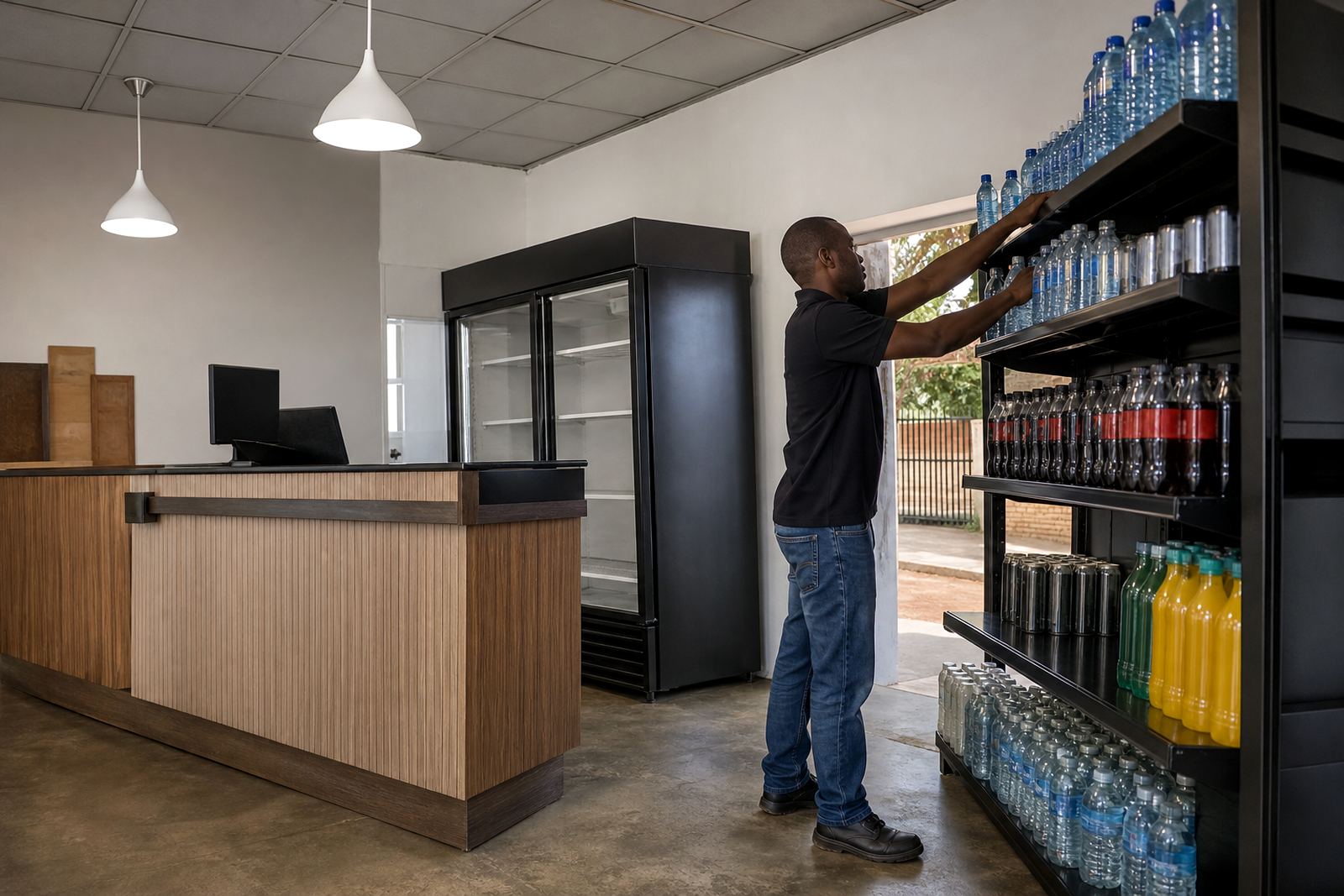
A practical cycling pattern starts with matching your usage to the solar day. If possible, run bigger loads when the panels are producing well, then leave the battery for evening essentials. In a small business in Johannesburg that might mean using the battery for lighting, tills, security systems and internet after hours, not for every heavy appliance at once.
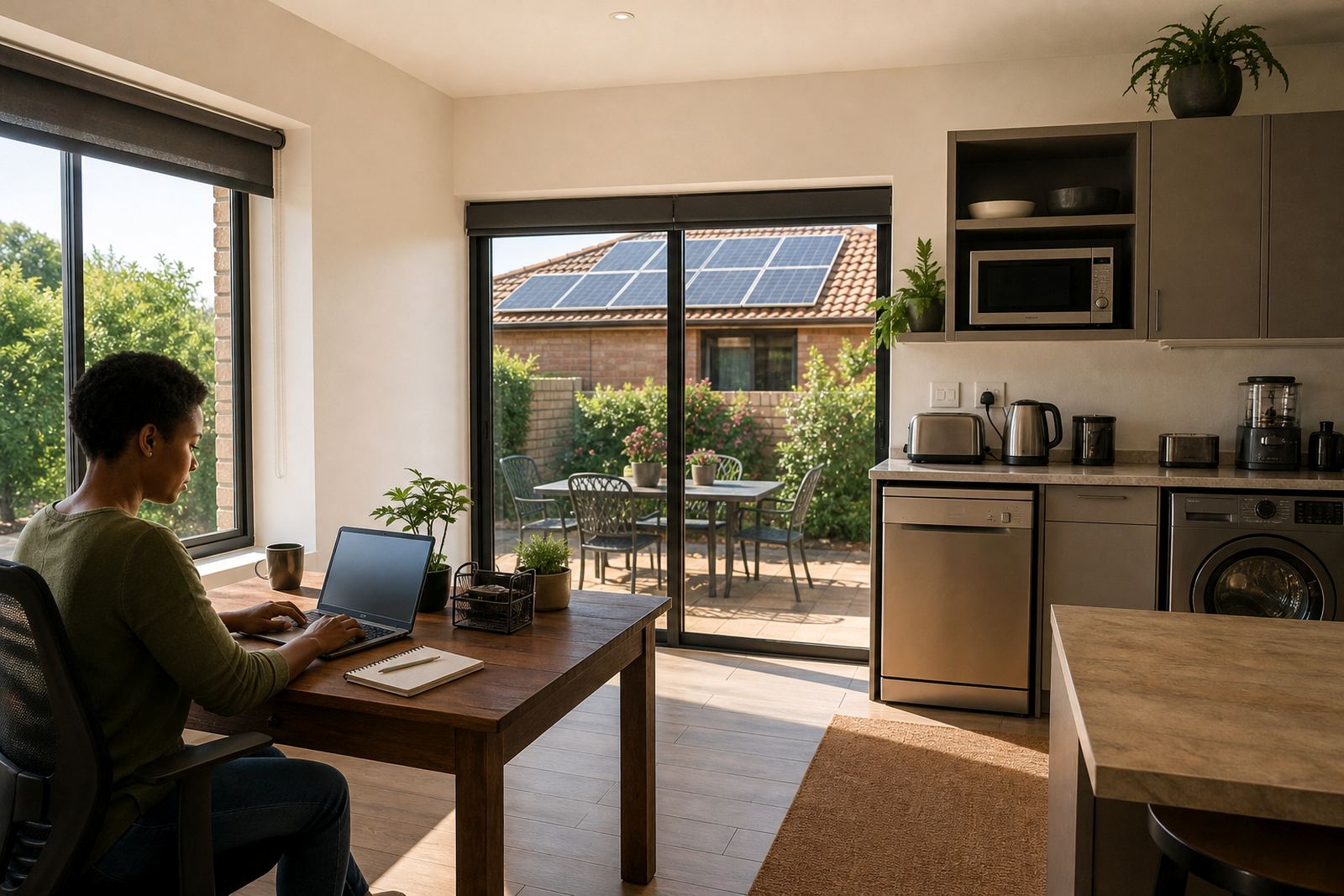
Households can do the same with geyser alternatives, fridges, lights and media equipment. The idea is not to avoid using the battery, but to use it in a controlled way. If you know a long outage is possible, it can help to keep non essential loads off until the battery has recovered enough charge.
Simple habits make a real difference:
- Shift washing, vacuuming and other heavy tasks into daylight where possible
- Keep an eye on state of charge before evening peaks
- Switch off unused appliances instead of leaving them on standby
- Ask for a load review if the battery seems to run down too quickly
Good cycling is about balance. A battery that is used properly will usually feel more predictable, and that is what most homes and small businesses need.
What to watch for if cycling is not going well
There are a few warning signs that the battery is not being cycled in a healthy way. The most common one is a sudden drop in backup time, especially if the system used to carry the same load for longer. Another is the inverter showing low battery early in the evening even though the day looked sunny enough.
Other signs can include the battery charging slowly, heating up more than usual, or the system dipping in and out during moderate usage. Faults are not always caused by the battery itself. Loose connections, incorrect settings, poor cable sizing or a failing charger can all create similar problems.
If you notice these issues, it is worth arranging a proper check rather than just working around the fault. A qualified installer should inspect the battery, inverter settings, cable terminations and the general condition of the installation before any changes are made.
- Shorter backup time than before
- Frequent low battery warnings
- Battery temperature that feels unusually high
- Uneven charging from one day to the next
Local conditions that affect cycling in South Africa
Battery cycling is not the same in every part of the country. Pretoria and Centurion often see strong summer sun, but also seasonal dust, storms and the occasional week of heavy cloud. Johannesburg homes may have more evening demand from lights and heating in winter, while coastal towns such as Durban and Cape Town need to consider moisture and salt air as well.
That means the same battery bank can behave differently depending on where it is installed and how the property is used. A school office in Bloemfontein, for example, may have a different daily load profile from a takeaway shop in Midrand or a family home in Pretoria East. The system should be set up for that pattern, not just for an estimated average.
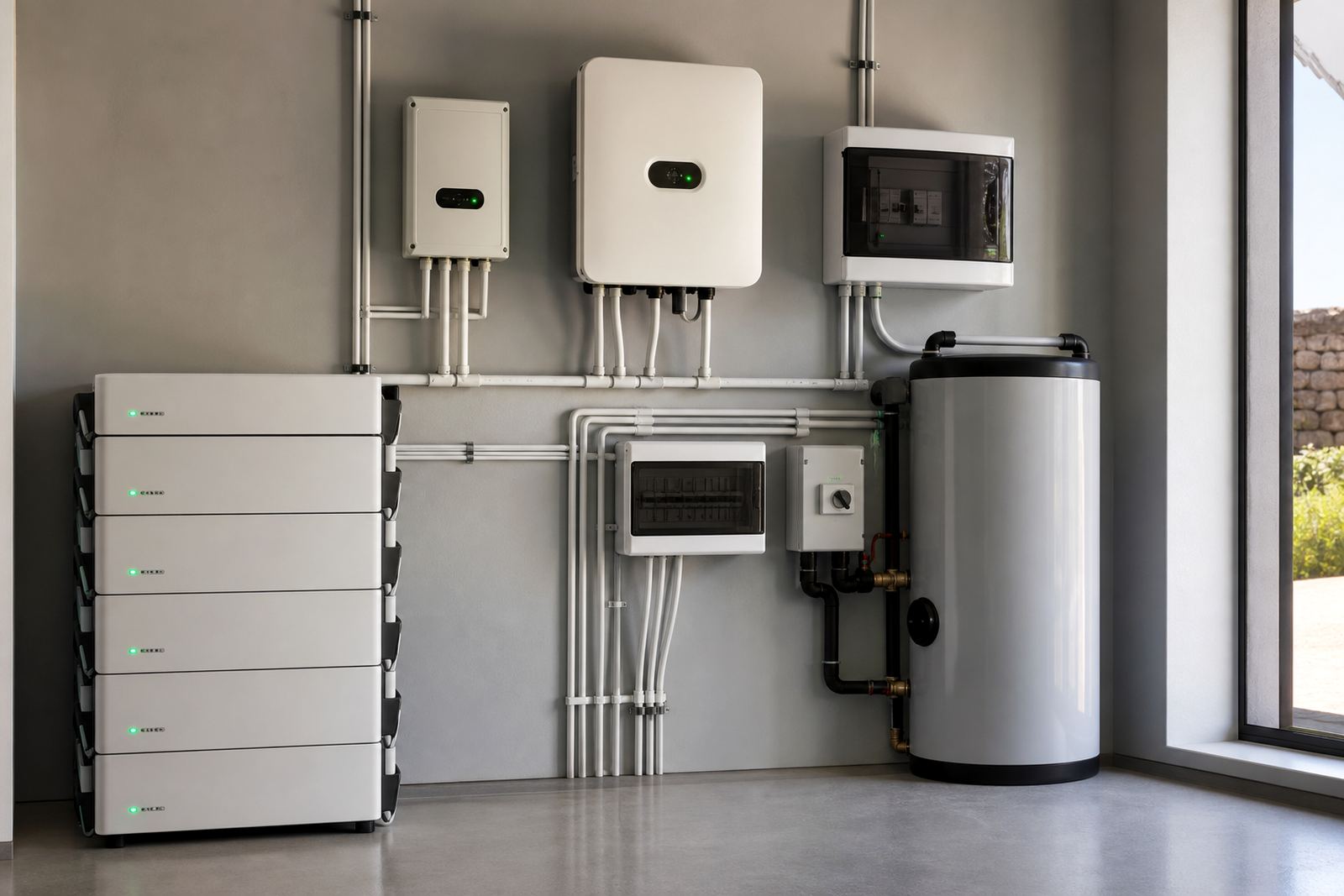
For solar water heating, the same practical thinking applies. While water heaters do not cycle in the same way as batteries, the electrical controls, pump loads where fitted, and overall system use all need to be handled carefully. Good installation planning helps the whole setup work better through winter, load shedding and periods of high demand.
How Linuo Solar approaches battery-backed systems
At Linuo Solar, battery-backed systems are planned around real usage, not guesswork. That starts with a site assessment and a proper look at what the home or business actually needs, from essential backup to stronger daily self-consumption. We supply and install solar panels and solar water heaters across Pretoria, Johannesburg, Durban, Cape Town and Bloemfontein, and our solar support also covers system design, maintenance and fault finding.
Electrical work is done by qualified installers, and all integration is handled with safety and performance in mind. That includes inverter installation, battery installation, electrical integration and commissioning, so the final system is arranged to charge and discharge in a controlled way. If the battery cycling pattern needs adjustment after installation, it can be reviewed and corrected.
Our team includes Vuyo Phasha as Managing Director, with Naledi Kgosi overseeing operations, Sarel Delport on solar installation, Palesa Mabena coordinating projects, Mothusi Mphahlele leading technical support, Faatimah Latief handling customer care and Unathi Tau focusing on solar water heating. From our Centurion base we assist clients through the enquiry form on our contact page, whether they need a new setup, a maintenance visit or a practical review of how the battery is being used.
For many South African properties the key is not just having a battery, but teaching the system to work in the right rhythm. Once that rhythm is right, the setup is easier to live with and easier to trust.