What a small shop must keep running
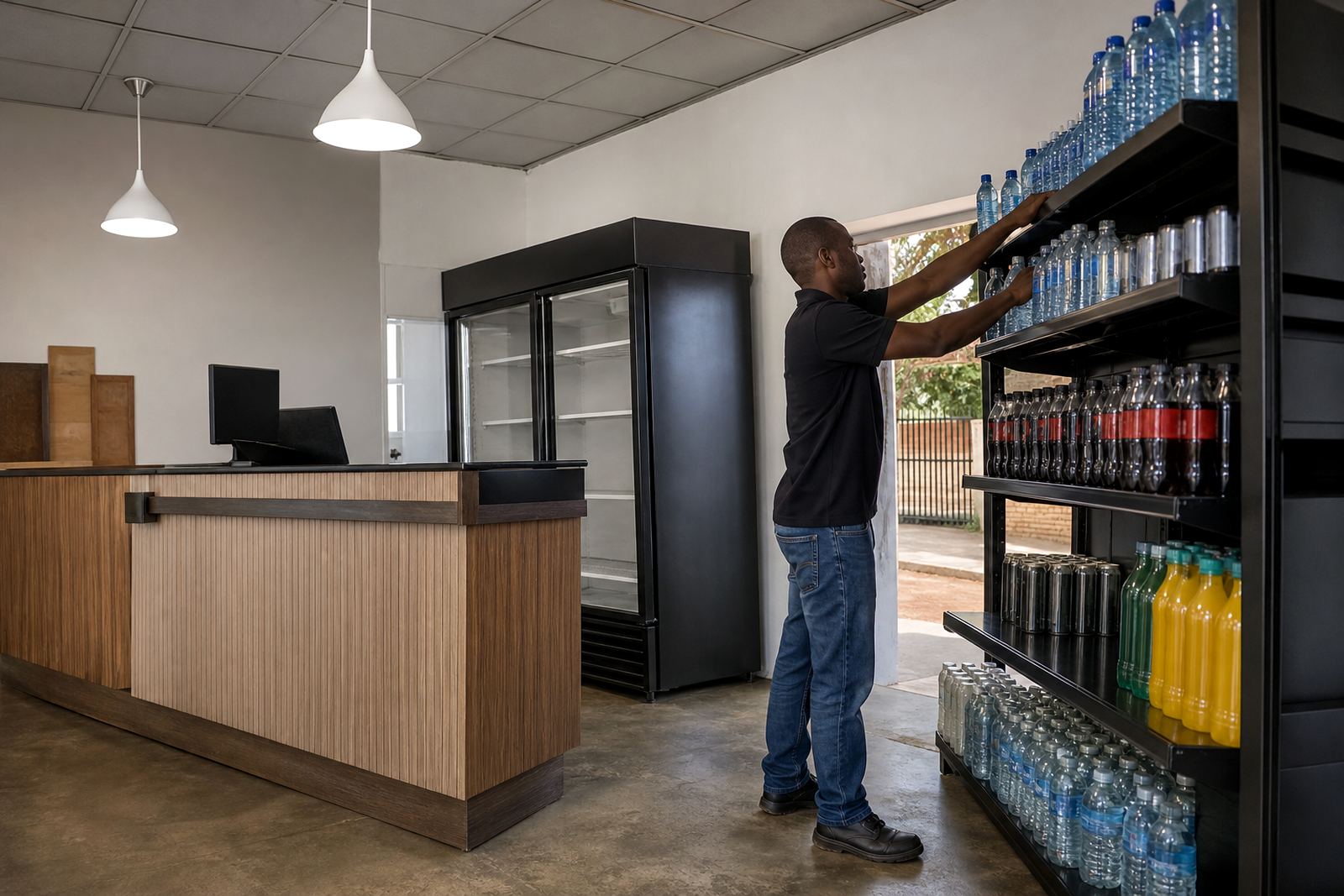
Most retail premises in Pretoria, Johannesburg or Durban run on a fairly simple pattern. Lights come on early, tills and card machines need steady power, and some items such as fridges, freezers or security systems must stay live through every outage. The first job is to separate the essential loads from the nice-to-have loads. That single step makes the system more practical and often more affordable.
For many small shops, the main concern is not just load-shedding but also voltage dips, short outages and power returning with a surge. A proper solar setup does more than keep the lights on. It helps protect equipment, reduces downtime and keeps staff working instead of waiting for the municipal supply to stabilise.
- Lighting for the sales floor, storeroom and entrance
- Tills, point-of-sale equipment and receipt printers
- Wi-Fi routers and small office equipment
- Fridges, freezers or display cabinets where required
- Security cameras, alarms and gate motors
Why retail loads are different from home loads
A retail space has a different power profile from a home. The shop may open when the sun is low, use brighter lighting throughout the day and rely on equipment that cycles on and off in bursts. A small café in Centurion, for example, might need refrigeration, coffee equipment and a till point to stay steady through an afternoon outage. A clothing store may need far less daytime power but still wants lighting and security to remain on.
This is why a retail system should never be sized on guesswork. The installer needs to check the actual appliances, their starting load and how long they run. Inverter size matters, battery size matters, and so does the roof space available for solar panels. On a flat-roof shop in Gauteng, panel layout may differ from a coastal site in Cape Town where wind exposure and salt air need extra care.
- Short, sharp power draws from fridges and compressors
- Long trading hours that need stable lighting
- Limited roof space at some small centres or street-front shops
- Extra care needed for electrical integration and cable routing
The three parts that usually matter most
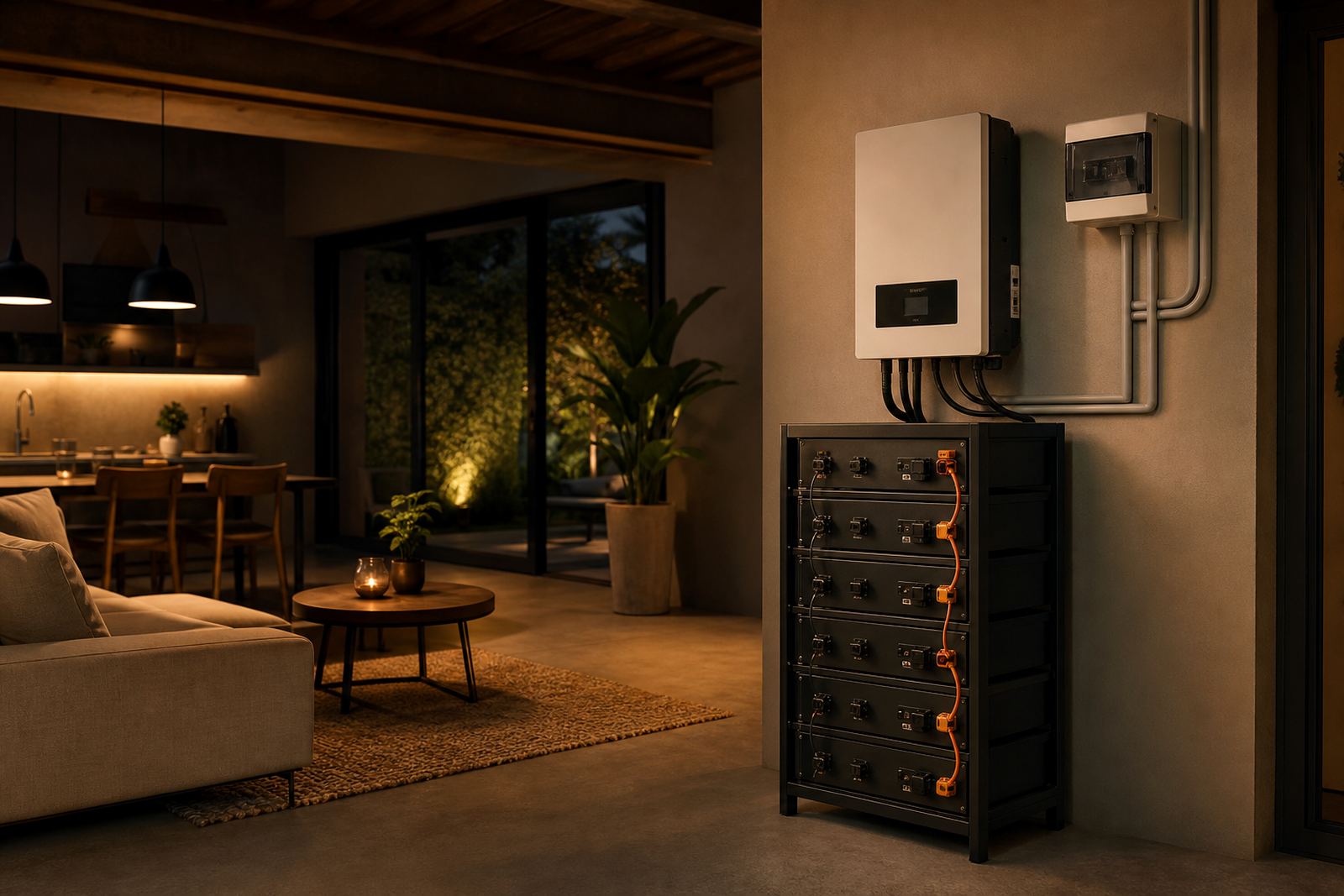
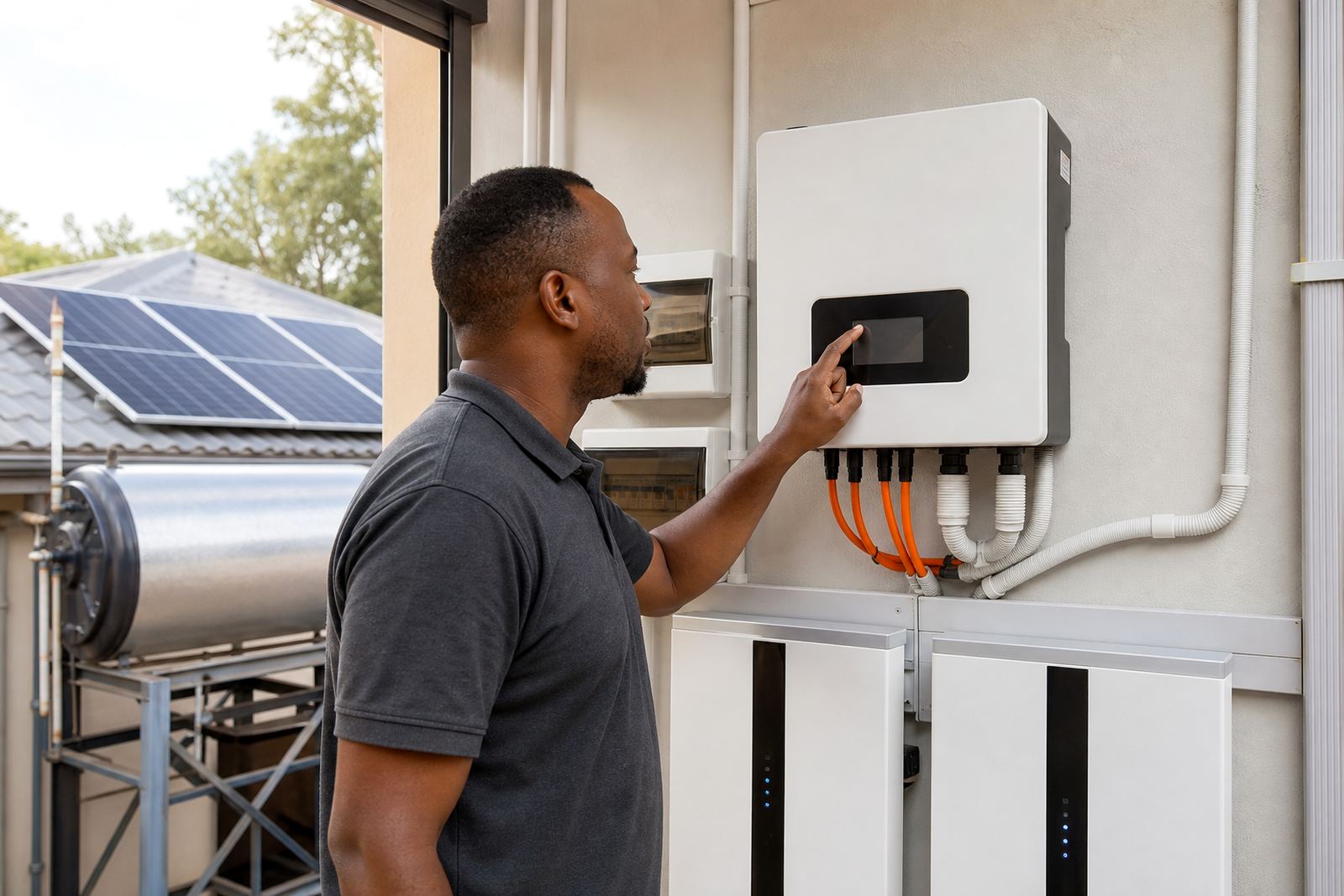
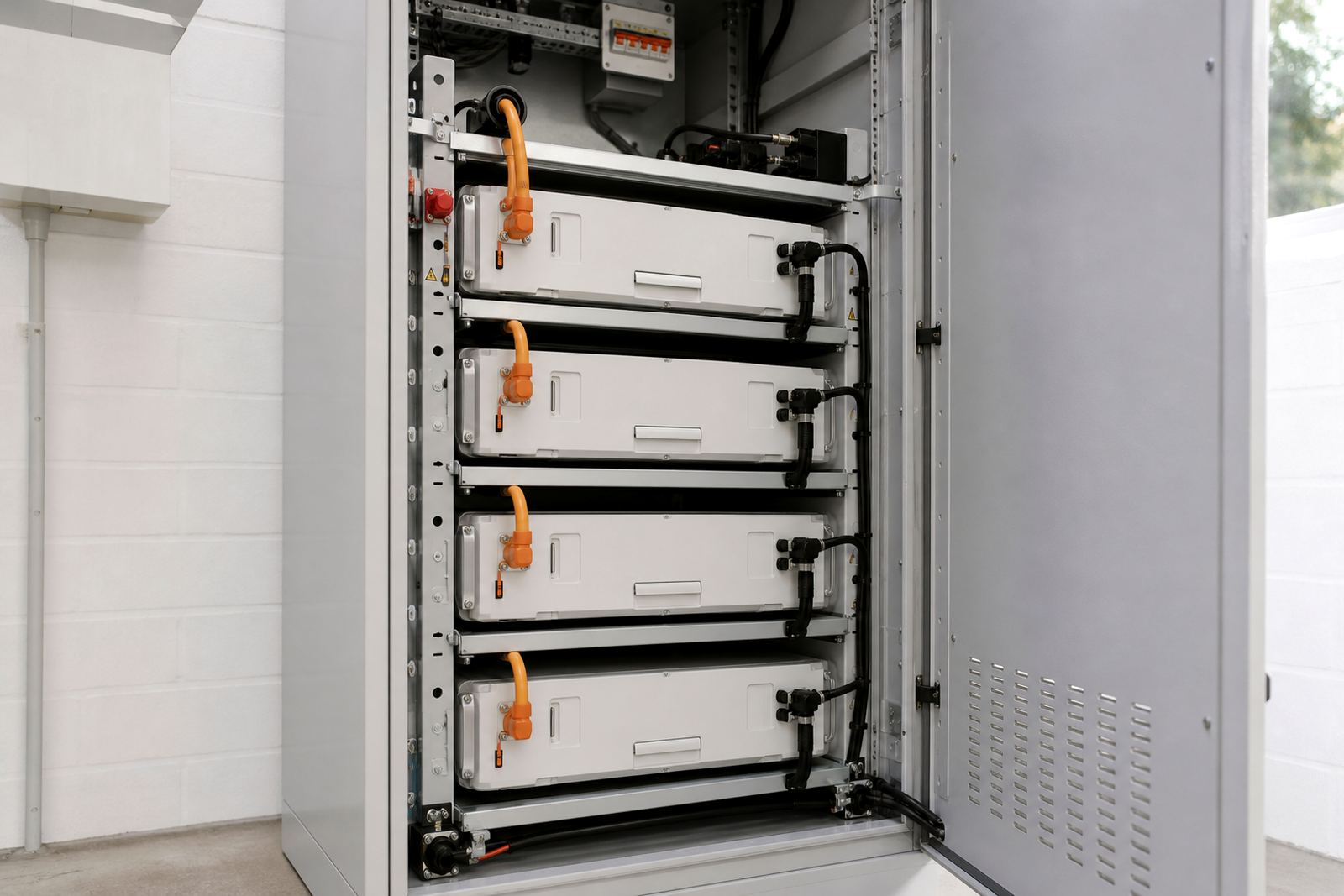
When small businesses ask about solar, the conversation often starts with panels, but the full picture includes inverter and battery sizing as well. Solar panels generate power during the day, the inverter manages how that power is used, and batteries carry the shop through outages or after-hours trading. If one part is too small, the rest will struggle to perform properly.
For retail spaces, the goal is not to cover every appliance just because it exists. It is better to choose a sensible backup plan for the equipment that drives sales and safety. Qualified installers should handle the electrical work, including integration into the existing distribution board, isolators and changeover arrangements. That keeps the installation neat and compliant with local requirements.
- Solar panels: best for daytime help with lighting, tills and routine use
- Inverters: keep the supply stable and manage changeover during outages
- Batteries: provide backup at night, during load-shedding or cloudy spells
Solar water heating for shops with staff or customer needs
Some smaller retail sites also benefit from solar water heaters. This is often the case where staff toilets, a wash area or a small food prep zone needs hot water without depending entirely on electricity. In Pretoria and Bloemfontein, where sunny conditions are common for much of the year, a water heating system can reduce pressure on the main electrical supply.
Solar water heating is worth considering on premises such as salons, convenience stores with prep counters, or small service businesses that run wash-up areas. It should be planned with the building layout in mind, especially where roof space is shared with panels or where municipal rules and landlord approval affect what can be mounted on the roof. On coastal properties, corrosion-resistant installation practices are important too.
A local example from Centurion
Take a small retail shop in Centurion that trades six days a week and closes after dark in winter. The owner may want the front lights, card machine, router and a few security cameras to stay on during load-shedding. The fridge can be included if there is enough battery capacity, but perhaps the display freezer is better kept on the utility side to avoid overloading the backup system. That kind of decision is practical and it keeps the installation within budget.
During a site assessment, our team looks at the actual load, the roof orientation, shade from nearby buildings and the condition of the existing wiring. From there, the system design can be matched to the shop’s trading pattern. If the site is in Johannesburg, Midrand or Durban, the plan may change slightly based on roof space, weather exposure and the type of equipment used on the floor.
What a proper installation and support plan should include
A retail solar system should be installed with clear maintenance in mind. Panels can collect dust, bird droppings and coastal grime, which affects performance over time. Batteries need to be checked, and inverter settings should be reviewed if the shop changes equipment or extends trading hours. Fault finding should be part of the long-term plan, not something handled only after a blackout causes trouble.
Linuo Solar works with homes and small businesses from Centurion and Pretoria through to Johannesburg, Durban, Cape Town and Bloemfontein. The team includes Vuyo Phasha as MD, with support from Naledi Kgosi, Sarel Delport, Palesa Mabena, Mothusi Mphahlele, Faatimah Latief and Unathi Tau. Clients get help through the enquiry form on the contact page, and all electrical work is handled by qualified installers.
- Site assessments for retail load profiling
- System design for roof space and trading hours
- Panel, inverter and battery installation
- Electrical integration and system commissioning
- Solar maintenance, panel cleaning and support callouts