
Start With What Must Stay On
Before anyone talks about panels or batteries, list the loads that cannot stop. For a shop this may be lights, tills, fridges and the alarm. For an office it could be computers, routers, printers and a few essential lights. For a salon or medical practice it might also include hot water, sterilising equipment or a small back-up socket circuit. The point is simple: do not size a system around every appliance if only part of the business needs support.
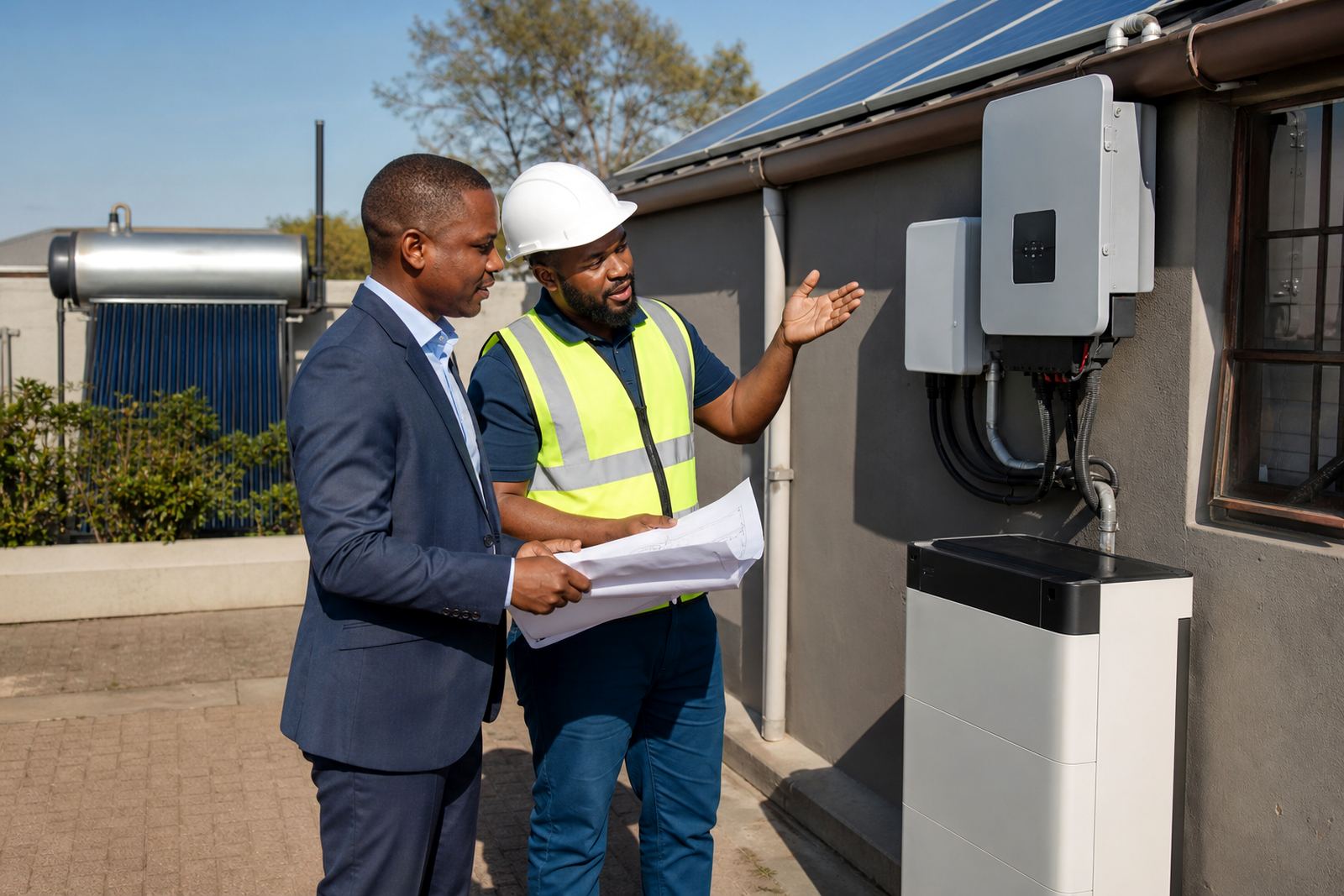
A proper site assessment should check the metre position, roof type, cable routes, and whether the existing board has space for safe electrical integration. In Pretoria and Centurion we often find that the first planning mistake is underestimating how many small loads add up during a long outage. A good installer will ask what must stay on, what can wait, and what can be switched off during peak use.
- List essential equipment first
- Separate critical loads from non-essential loads
- Check roof area, shading and cable runs
- Confirm where the inverter and batteries can be mounted safely
Choose The Right Mix For Your Trading Hours
Small businesses do not all operate the same way. A bakery in Johannesburg has early morning demand, while a consulting office in Midrand may use more power during the day and less after hours. Durban’s humidity can also affect equipment placement, so ventilation and weather protection matter. Cape Town sites often need careful roof planning because wind exposure and coastal conditions can affect mounting choices.
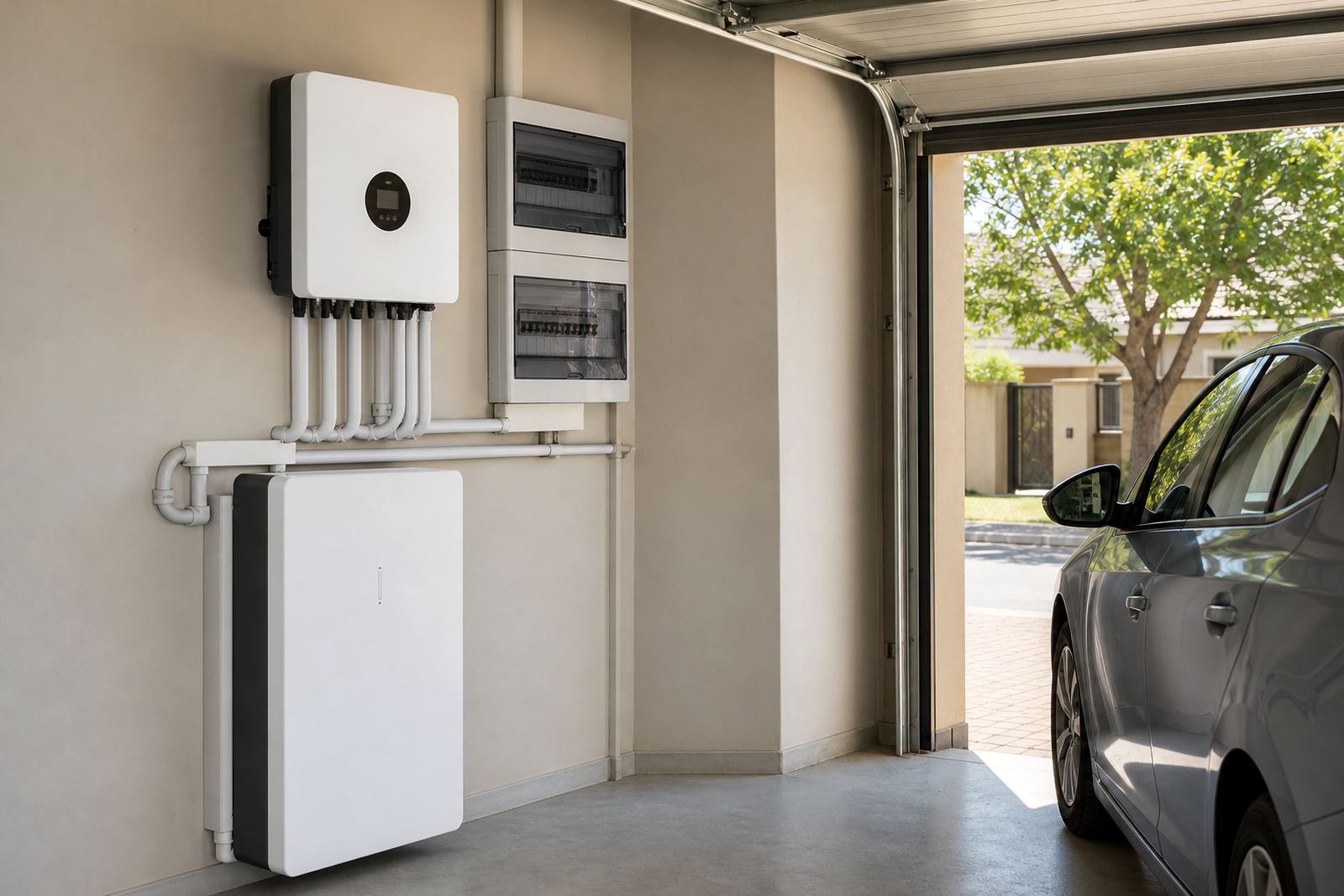
Solar panels, inverters and batteries are usually planned as a set, but the balance changes from site to site. Panels generate power in the day, the inverter manages that power and the batteries help carry the business through outages or after sunset. If the business runs mostly in daylight, a smaller battery bank may be enough. If stock must stay cold, computers must remain on, or trading continues after dark, then storage becomes more important.
- Daytime businesses may prioritise panel capacity
- Businesses with evening trading need more battery support
- Sites with sensitive equipment need stable inverter sizing
- Coastal and high-heat areas need careful equipment placement
Plan Around The Roof, Not Just The Budget
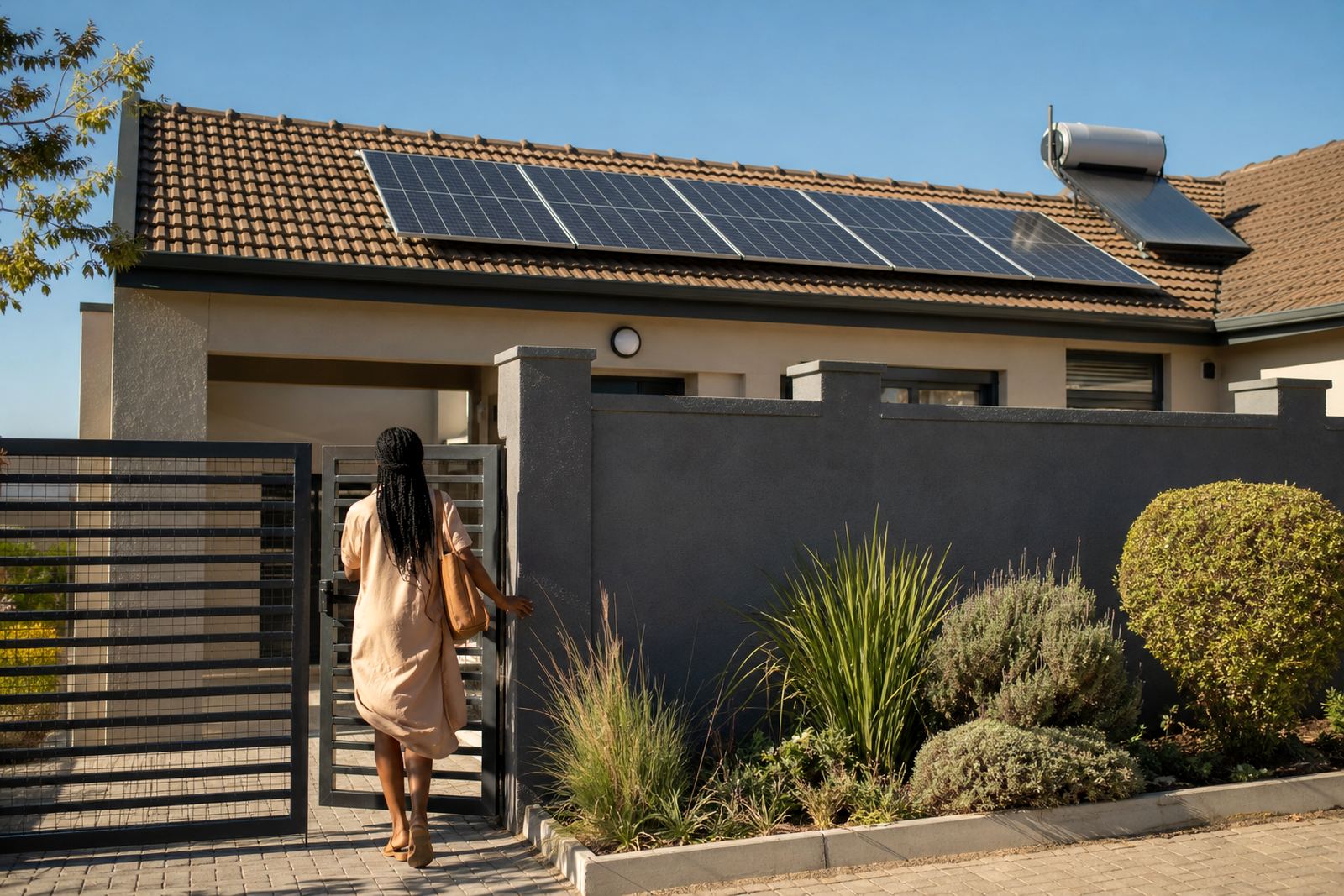
Many owners begin with a budget figure and only later ask whether the roof can carry the load. That order causes delays. The roof must be checked for usable space, shade from neighbouring buildings, and the direction of the available slopes. Flat roofs, tiled roofs and metal roofs all need different fixing methods. If the roof is old or due for repairs, it is better to sort that first than to remove panels later.
It also helps to think about access for maintenance. Panel cleaning, fault finding and future changes are easier when there is clear walkway space and safe access. In Bloemfontein, where dust can build up quickly, a practical cleaning plan matters. In Pretoria and Johannesburg, tree shade and nearby buildings can create uneven production across the day, so the layout should be checked before installation starts.
Water heating should be considered separately from electrical loads. Solar water heaters can reduce pressure on geysers and help service businesses that need steady hot water without pushing all that demand through the electrical board. This is especially useful where hot water use is predictable, such as guest houses, kitchens and small clinics.
Do Not Leave Electrical Integration To Chance
Solar equipment works best when the electrical side is planned by qualified installers. That includes breaker sizing, cable protection, changeover arrangements and the safe connection of inverters and batteries to the existing supply. If the board is cramped or outdated, it may need upgrades before the new system can be commissioned properly. That is not a corner to cut.
For small businesses, the safe way is to treat solar as part of the building electrical system, not as a separate add-on. Electrical work should be handled by qualified installers who understand local requirements and can commission the system correctly. This matters for safety, for insurance enquiries and for long term fault finding if something changes later.
- Check whether the distribution board needs changes
- Confirm safe cable routes and isolation points
- Allow space for future expansion if the business grows
- Test the system under normal load before full handover
A Pretoria Example: A Small Office With Mixed Loads
Consider a small office in Centurion with six staff, internet equipment, lights and a printer area. The owner does not need the whole building to run through every outage, but the team does need to keep working during load-shedding and short municipal interruptions. The first step is a site assessment to identify what the office actually uses during business hours, not what it could use in theory.
The result may be a practical setup with solar panels, an inverter sized to the essential loads and batteries that carry the office through interruptions. If the building also has a geyser or staff kitchen, a separate solar water heater can reduce pressure on the electrical side. The owner can then phase the work in stages instead of trying to do everything at once, which helps cash flow and keeps the project manageable.
This sort of planning is common across Pretoria, Johannesburg and the larger Gauteng business districts. Shops with fridges, small warehouses with security systems and service businesses with computers all need different answers, but the planning process is similar: define the loads, inspect the site, then build the system around how the business actually runs.
Keep The System Working After Installation
Once the system is in place, the business should plan for maintenance from the start. Panels collect dust, especially near busy roads and open yards. Batteries need correct use and monitoring. Inverters and associated equipment should be checked if alarms appear, if output drops, or if the business changes its operating pattern. A system that is ignored for two years often underperforms when it is needed most.
Support callouts, fault finding, panel cleaning and routine maintenance are part of keeping the installation useful. It also helps to brief staff on basic usage, such as what to switch off during extended outages and how to report an alarm. Small businesses often rely on one or two people to manage everything so a simple handover is worth more than a pile of paperwork.
- Record what the system powers and who is responsible for it
- Schedule checks after severe weather or repeated outages
- Keep equipment areas clear and ventilated
- Review the setup if trading hours or equipment changes
Why Early Planning Saves Hassle Later
Good solar planning is less about the first install and more about avoiding surprises. If the business grows, adds refrigeration, extends trading hours or changes premises, the system should still make sense. That is why early decisions on roof space, board capacity, water heating, and electrical integration matter so much. A careful plan makes the project easier to commission and simpler to live with afterwards.
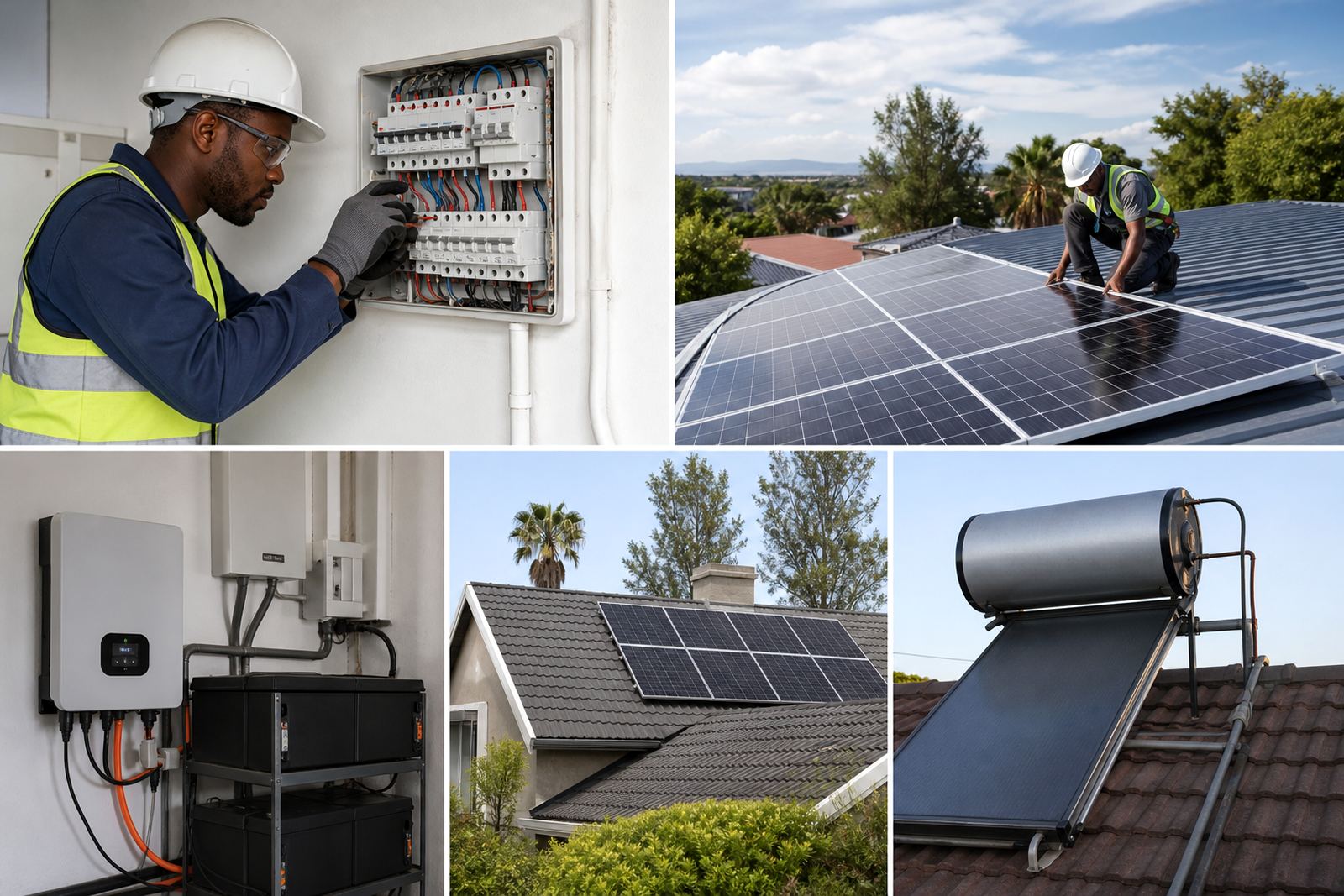
Linuo Solar works with homes and small businesses from Pretoria and Centurion through to Johannesburg, Durban, Cape Town and Bloemfontein. For business owners, the enquiry form on the contact page is the starting point for a site assessment and practical discussion about what should go in first. From there, the team can look at panel installation, inverter installation, battery installation, water heater installation, system commissioning, maintenance and support callouts based on the site’s real needs.