Why a little shade can change the whole system
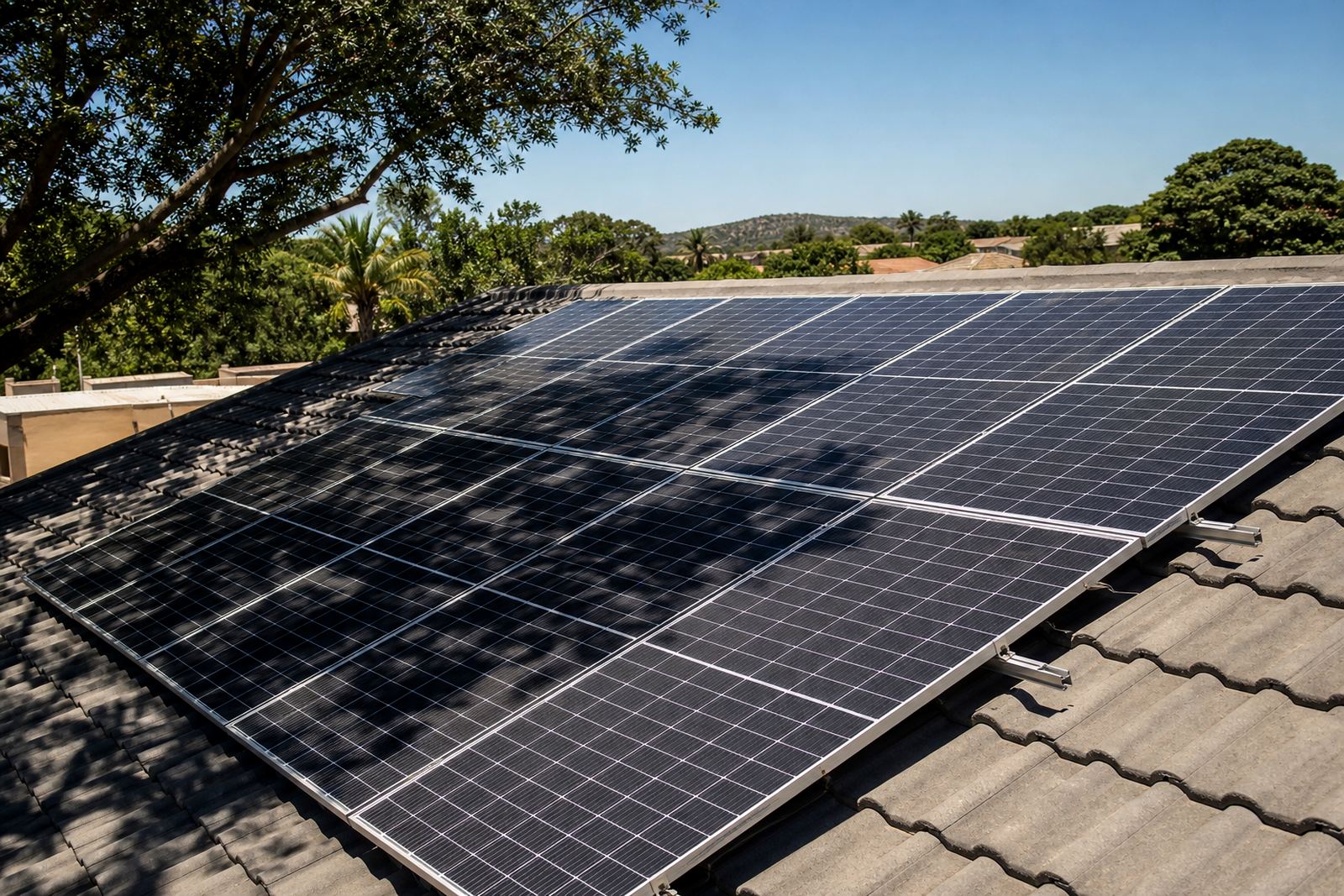
Solar panels do not all lose output in the same way when part of the array is shaded. A single shaded panel, or even a strip of shade from a TV aerial, parapet wall or tree branch, can pull down the performance of the rest of the string if the design is not thought through properly. That is why shade is not a small detail, it is a design issue from day one.
In Pretoria and Centurion we often see roofs where shade moves through the day. A morning shadow from a neighbour's boundary wall, then late afternoon shade from a tree, then winter sun that sits lower and reaches different parts of the roof. On paper the roof may look ideal, but the real output depends on what happens hour by hour.
- Shade from trees changes with the season
- Nearby buildings can block winter sun more than summer sun
- Water tanks, vents and parapets can cast narrow but damaging shadows
The first step is a proper site assessment
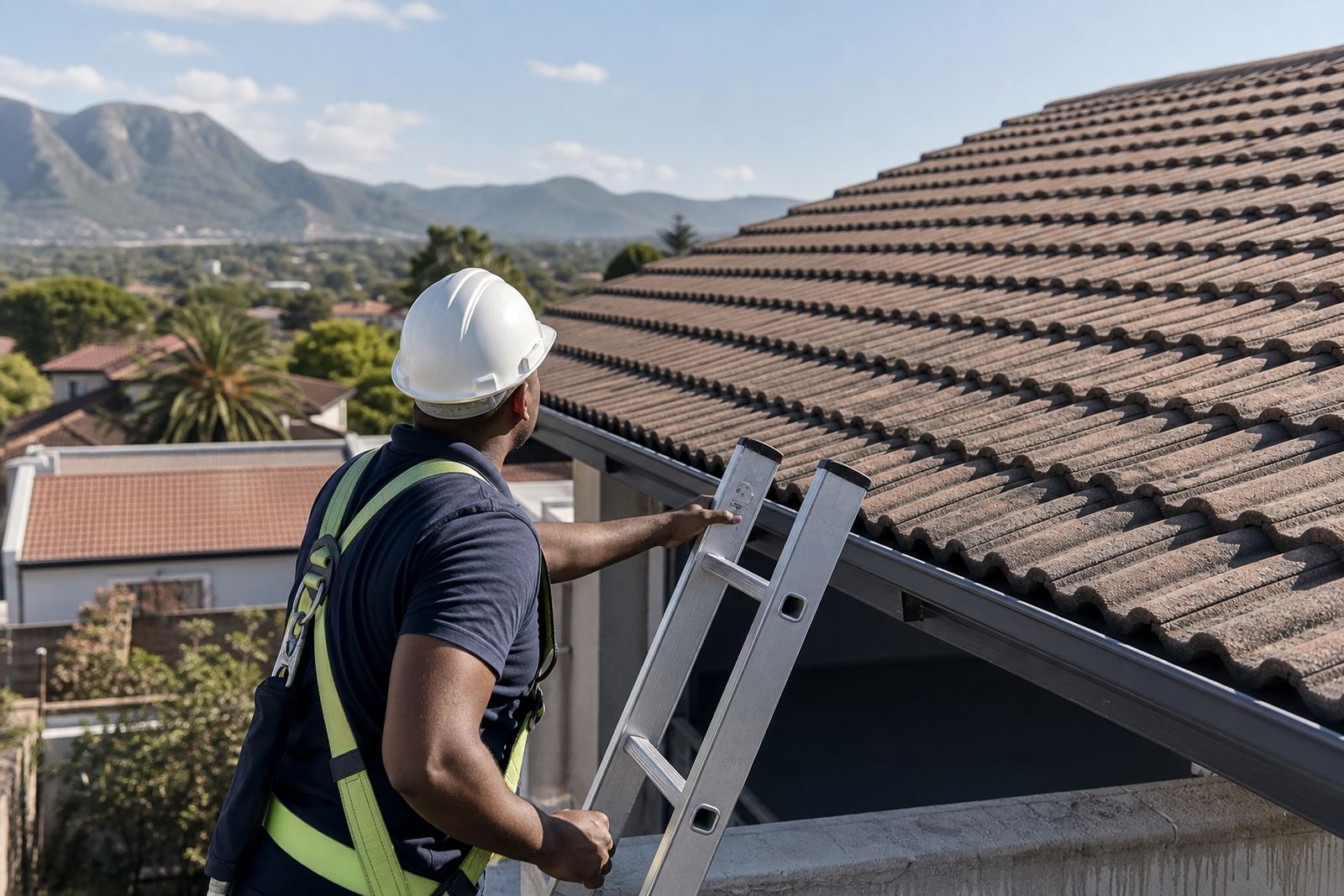
A proper site assessment looks at more than the roof size. It checks the roof direction, pitch, structural condition, cable runs, space for equipment and where shade falls during the day. For small businesses, it also matters when the load is highest, because a system must work with the operating hours not just the roof line.
In many cases we map the roof in sections and note which parts are best for panels in the morning and which parts are better in the afternoon. Sometimes the answer is a split array across two roof faces. Sometimes the better choice is fewer panels in a clean area rather than forcing a larger array into a shaded corner.
- Roof direction and pitch
- Seasonal shade from trees, walls and nearby structures
- Access for maintenance and future cleaning
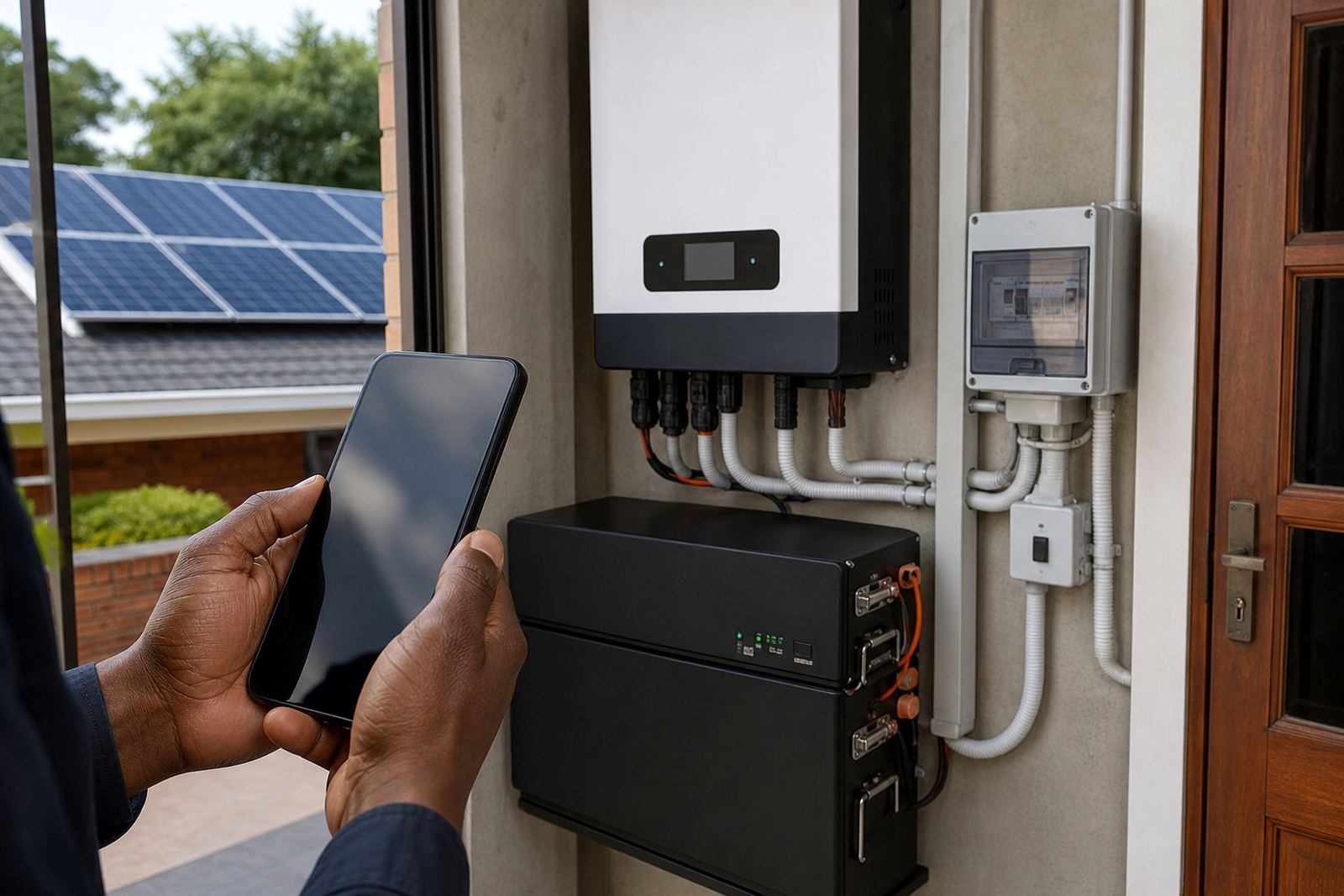
- Space for inverter, batteries and safe cable routes
How shade affects panels, inverters and batteries
Most people think shade only affects the panels, but it can influence the whole system. If panel output drops at certain times, the inverter has less energy to convert and the batteries may not charge as fully as planned. That can matter during load-shedding, cloudy weather or on days when a home runs air conditioning, a borehole pump or several fridges.
The right layout helps reduce those losses. Depending on the property, the system may need separate roof sections, careful string planning or a different inverter arrangement. The battery side also needs honest planning, because a battery cannot store energy that never reached it in the first place.
- Shaded panels can reduce total string performance
- Uneven roof exposure may call for separate panel groupings
- Battery charge levels depend on real solar input through the day
- Electrical work should always be handled by qualified installers
Practical fixes when the roof is not perfect
Not every property has a wide open roof, and that is normal. In Johannesburg you may have tall boundary walls and mature trees. In Durban coastal humidity and heavy summer rain can mean roof fittings and cable routes need extra care. In Cape Town wind exposure can affect how equipment is mounted, while in Bloemfontein the sun is strong but shade from chimneys and roof lines still needs attention.
The fix is usually a mix of layout choices and sensible hardware selection. Sometimes panels are placed on the clearest roof face and the rest of the design is adjusted around that. Sometimes the water heater is placed separately from the electrical system so each can work in the best available space. A neat design is not about filling every square metre, its about getting dependable output.
- Move panels away from known shade paths where possible
- Use roof areas with steadier sun exposure first
- Keep maintenance access clear for cleaning and inspections
- Separate solar water heating from electrical equipment where practical
A Pretoria example: the townhouse with afternoon shade
One common Pretoria setup is a townhouse where the roof gets full sun until mid-afternoon, then a neighbour's tree starts shading the western edge. The owner wants panels, a battery and a solar water heater, but the roof is not big enough to ignore the shadow. In a case like this we would not force the whole system into one roof strip and hope for the best.
Instead, the design would focus on the brightest section for the panels, keep cable runs short and place the battery and inverter in a suitable indoor area close to the point of use. The water heater would be assessed separately because it may need different roof exposure and plumbing routes. This approach usually gives a more practical result and less frustration later.
That is also where the support side matters. A system is easier to live with when the layout was planned for the actual property, not just the brochure version of the roof.
Cleaning, maintenance and fault finding keep shade problems in check
Shade is not always permanent. Dirt, bird droppings and dust can make a shaded area worse, especially after dry spells or windy weeks. On homes and small businesses across Gauteng, regular cleaning and inspection can help keep output steady and catch problems before they become costly.
Support work usually starts with simple checks: is a new branch blocking the array, has a cable come loose, has one panel underperformed for too long, is the water heater circulating properly. If the system was commissioned carefully and maintained well, fault finding becomes much faster.
- Panel cleaning helps keep output stable in dusty conditions
- Routine inspections can spot new shade from growing trees
- Fault finding is quicker when the original system layout was documented
- Support callouts are best done before a small issue becomes a shutdown
What good advice should sound like
Good solar advice does not promise that every roof will perform the same. It explains where the shade is, how that affects output, and which parts of the system need the most care. It also makes room for local conditions such as load-shedding, coastal humidity, municipal rules and the way a property actually uses power.
At Linuo Solar, the process starts with a site assessment and moves through system design, panel installation, inverter installation, battery installation, water heater installation, electrical integration, commissioning, maintenance and fault finding. That kind of planning matters whether the job is in Pretoria, Midrand, Johannesburg, Durban, Cape Town or Bloemfontein. When shade is taken seriously from the start, the system has a much better chance of doing the job properly.