What a solar panel actually does on your roof
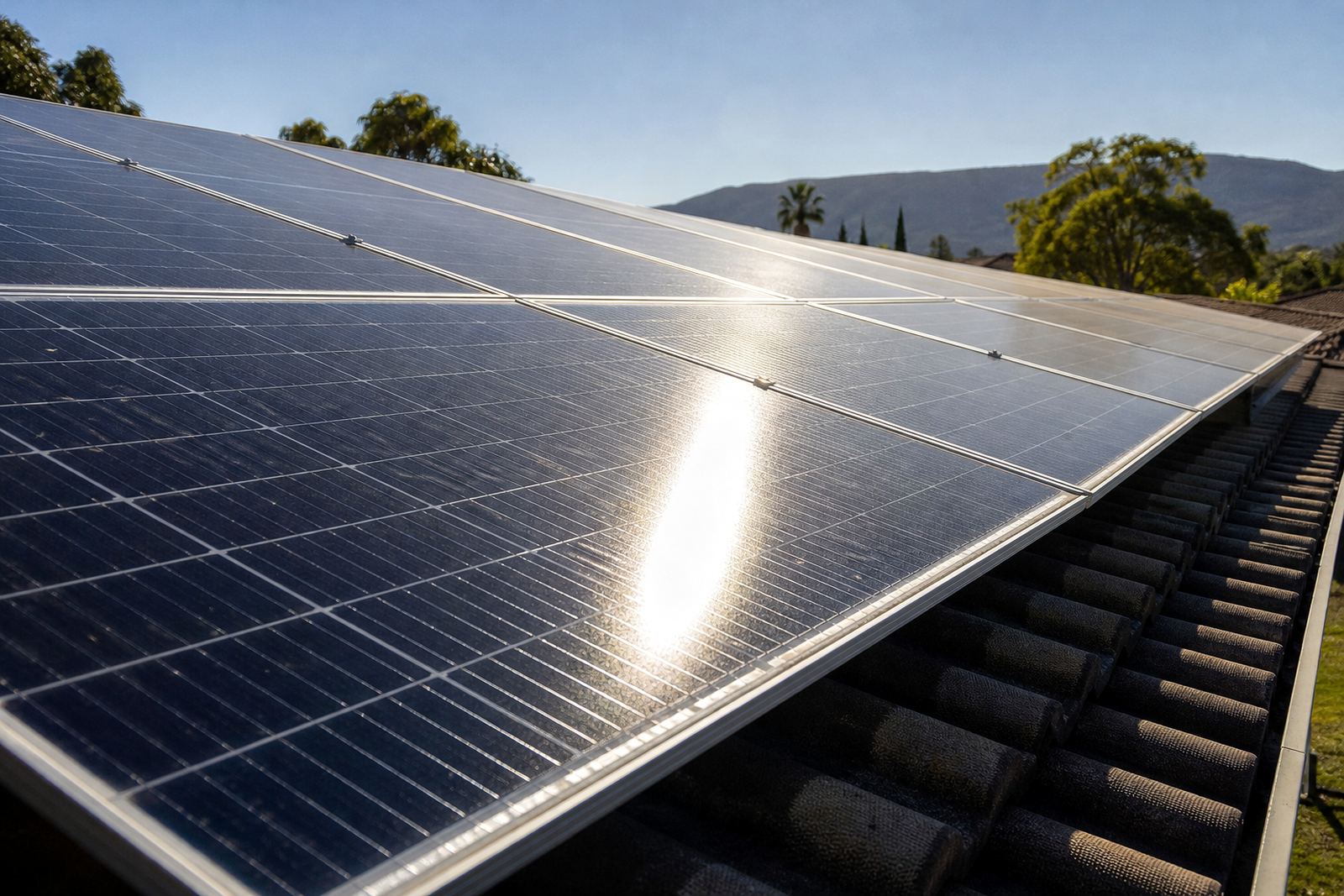
A solar panel is made up of many small cells that respond to sunlight. When daylight reaches those cells, it creates a direct current, usually called DC power. That power is then sent through the rest of the system so your home or business can use it in a practical way.
On its own, a panel does not power an appliance directly in the same form that comes from the municipal supply. It first needs to be matched with the right inverter, wiring, protection devices and in many cases batteries. That is why a proper site assessment matters. A roof in Centurion, a flat roof in Johannesburg, or a business yard in Bloemfontein all need different layouts and mounting methods.
Panels work best when they face good sun exposure and are kept clear of shade from trees, neighbour buildings, chimney stacks or cable poles. Even a small patch of shade can reduce output more than many people expect.
How sunlight becomes usable electricity
Inside each panel, the cells react to sunlight and produce DC electricity. That electricity then travels to an inverter, which changes it into alternating current, or AC power. AC is the type used by most household appliances and many small business machines across South Africa.
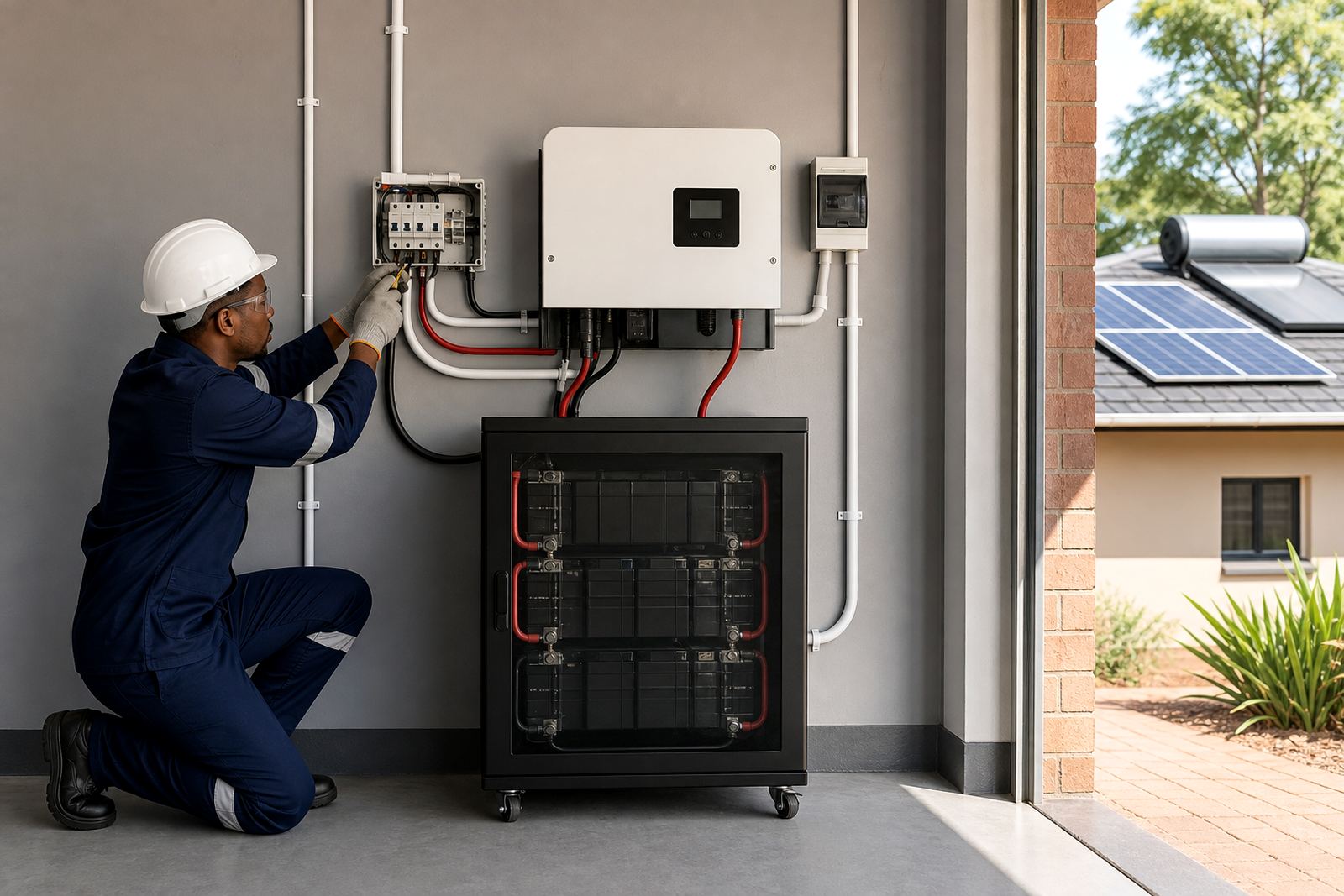
If the system includes batteries, the inverter can also direct extra energy into storage for later use. That helps with evening use and load-shedding periods. The process is simple to describe, but the equipment has to be sized correctly so the panel output, inverter capacity and battery storage all work together.
- Sunlight hits the panel cells
- The cells produce DC electricity
- The inverter converts DC to AC
- Power is used immediately or stored in batteries
- The system is monitored and protected by the installed components
When the electrical work is done by qualified installers, the system is safer and easier to maintain. That matters for homes, shops, offices and small workshops that need dependable power day after day.
Why inverters and batteries matter in a South African setup
A lot of people focus on the panels, but the inverter is the part that makes the power usable. It manages how energy moves through the system and helps keep the supply steady for the loads you want to run. In a home, that may be lights, a TV, fridge and Wi-Fi. In a small business, it could include computers, security equipment and a few essential machines.
Batteries store excess energy for later use. In practical terms, that means the system can keep working after sunset or during outages, as long as there is enough stored power. This is useful in Pretoria and Gauteng where many customers want backup for load-shedding, and it is just as useful in Durban where coastal humidity means equipment must be installed and protected carefully.
Good design also helps manage municipal rules and site-specific conditions. Cable routes, isolators, earthing and connection points all need attention. A neat installation is not only about appearance, it helps the system run properly over time.
- Panels generate power during the day
- The inverter controls how that power is used
- Batteries store surplus energy for later
- Protection devices help keep the system safe
- Qualified electrical integration is part of the job
What affects panel performance on real properties
Solar panels perform differently from one property to the next. Roof direction, pitch, shade, dust, bird droppings and weather all affect output. A panel that looks clean and bright can still underperform if it is badly positioned or shaded for part of the day.
In Pretoria and Centurion, many homes have tiled roofs that need careful mounting and waterproofing. In Johannesburg, shade from boundary walls and tall trees is common. In Cape Town, wind loading and coastal conditions must be considered. In Bloemfontein, wide open roof space can work well, but dust and maintenance still matter. Each location calls for a practical plan rather than a one-size-fits-all approach.
For small businesses, the pattern of energy use is just as important. A clinic, office, spaza shop or warehouse may use power at different times of the day. A proper design takes that into account so the system can support real usage, not just a paper estimate.
A Pretoria example from planning to commissioning
Take a family home in Centurion with a geyser, fridge, lights and a few plug points that must stay on during outages. The first step is a site assessment. That tells you how much roof space is available, where the sun falls, and what the electrical board can handle. From there, the system is designed around the actual loads and the owner’s daily routine.
After that comes panel installation, inverter installation, battery installation if needed, and electrical integration. Once everything is connected, the team tests the system and checks that the changeover works properly. Commissioning is the stage where the system is switched on, verified and explained to the customer so they know how it behaves in normal use.
That same approach applies to a small business in Midrand or Johannesburg. The numbers may change, but the method stays the same: assess, design, install, test and support. It is the practical way to avoid frustration later.
Solar water heaters and how they fit into the bigger picture
Solar water heaters use the sun in a different way from solar panels, but they often complement each other well. A water heating system reduces the amount of electricity needed for geyser use, which can make a noticeable difference to a home or small business that uses a lot of hot water.
For many properties, water heating is one of the biggest daily energy loads. In a guesthouse, salon, laundry or family home, lowering that demand can free up more of the electrical system for other essential items. It also helps when the goal is to reduce pressure on the grid without changing daily habits too much.
- Panels make electricity
- Inverters manage usable power
- Batteries store energy for later use
- Solar water heaters reduce geyser demand
- Together they form a more practical energy plan
Maintenance matters too. Cleaning panels, checking fittings, finding faults early and doing support callouts can help the system keep performing. Coastal homes, dusty inland sites and shaded roofs all benefit from regular checks.
Choosing a system that suits your home or business
The best solar setup is not the biggest one, it is the one that suits your usage and site conditions. A home in Pretoria may need strong backup for load-shedding. A business in Durban may need stable daytime support with careful weather protection. A property in Cape Town may need extra attention to mounting and cable protection. A building in Bloemfontein may need a different balance between generation and storage.
Linuo Solar works from Centurion, Pretoria and supplies and installs solar panels and solar water heaters for homes and small businesses across South Africa. The team includes Vuyo Phasha, Naledi Kgosi, Sarel Delport, Palesa Mabena, Mothusi Mphahlele, Faatimah Latief and Unathi Tau, each handling a part of the process from planning to support.
If you are thinking about solar, start with a site assessment and ask how the system will be designed around your actual needs. That is the clearest way to understand how solar panels work, and more importantly how they will work on your property.