What a hybrid inverter actually does
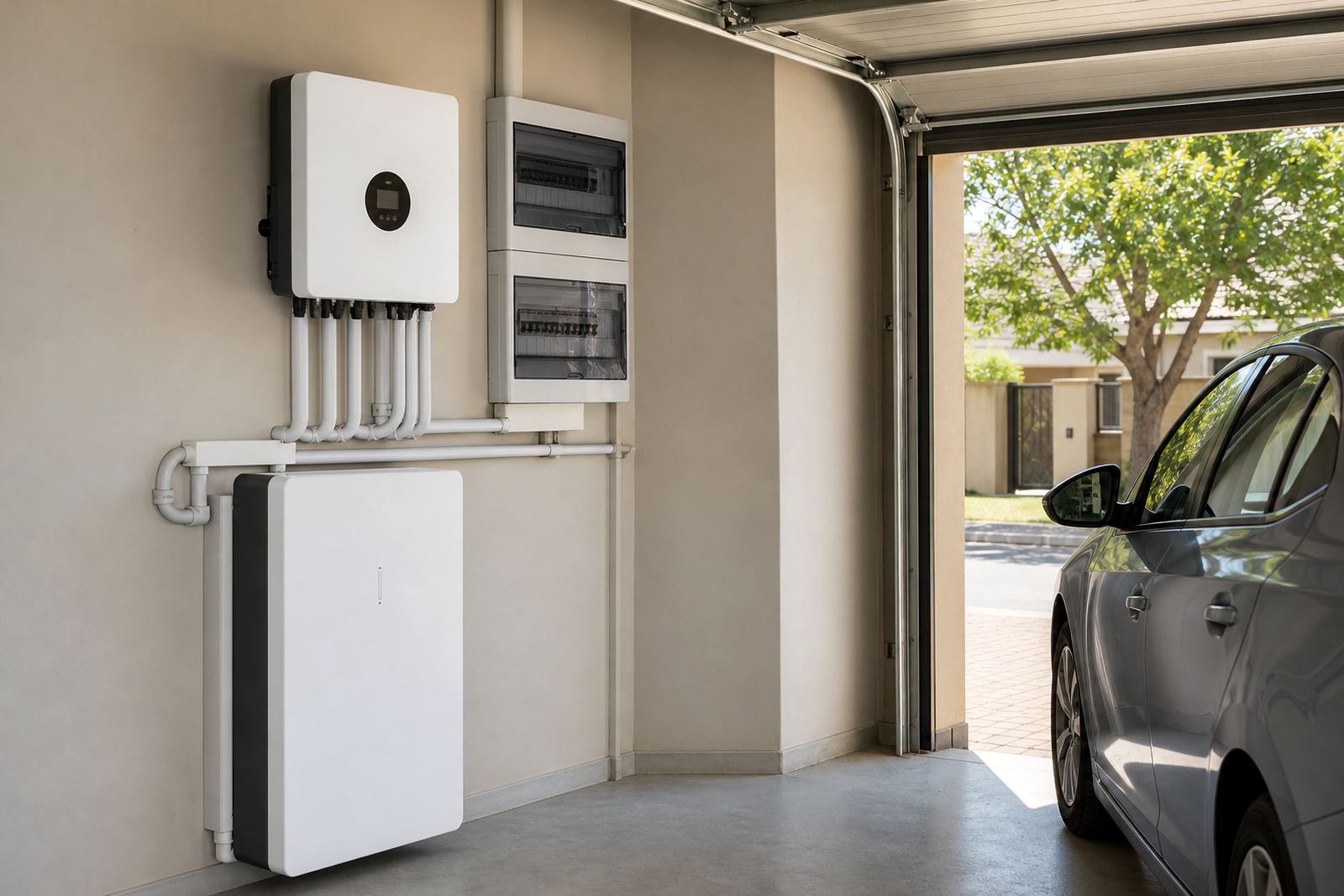
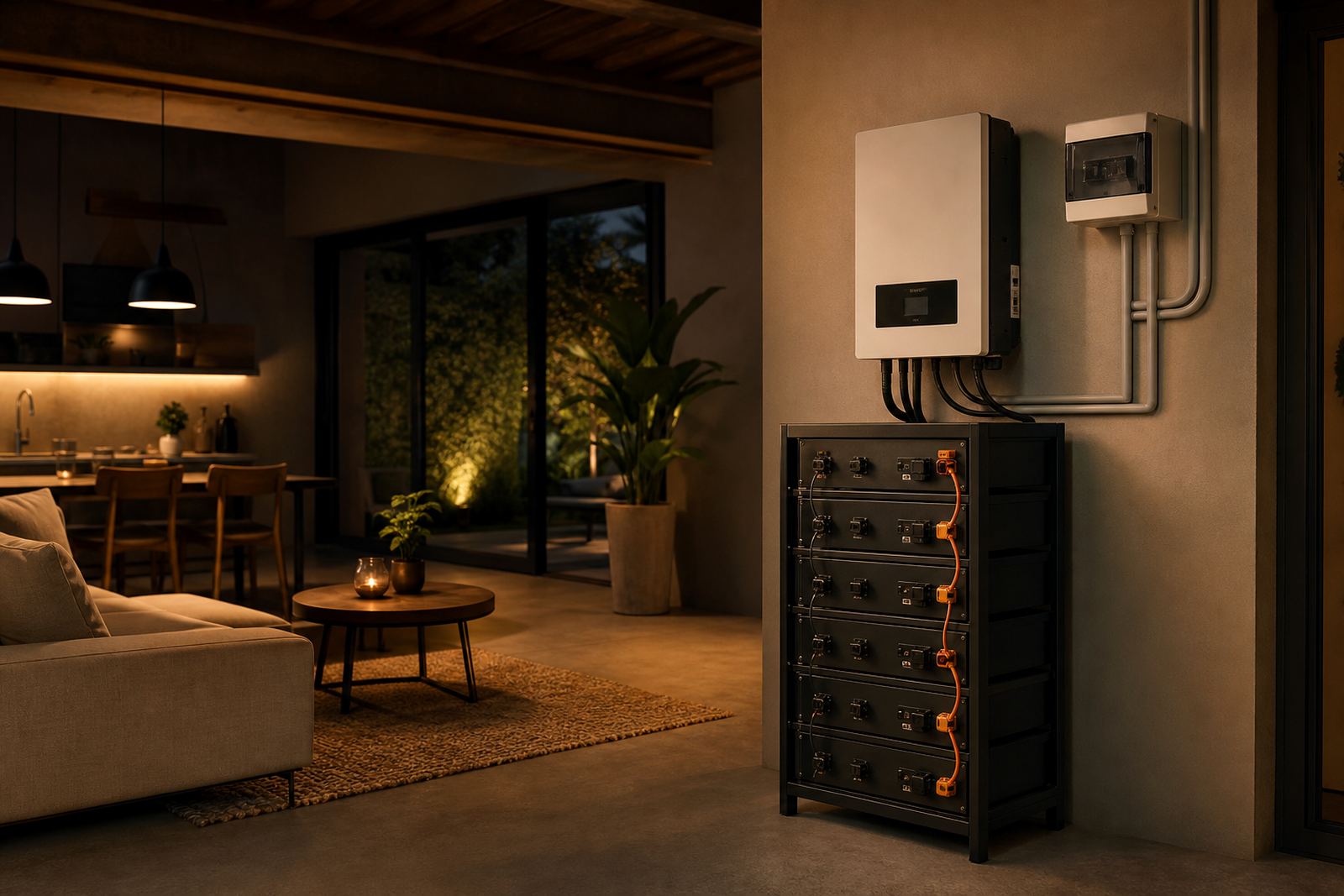
A hybrid inverter sits at the centre of a solar and battery system. It takes the direct current from solar panels, converts it to usable alternating current for your lights and appliances, and manages when extra power should go to the batteries. When the sun is strong, it can feed the home first, then charge the battery. When the sun drops or load-shedding starts, it can switch over and keep essential circuits going.
That control is what makes the system practical for many South African households and small businesses. Instead of running a separate inverter and charger arrangement, the hybrid unit can combine the functions in one place. It is not magic, it is simply smart power management done in a way that suits changing weather, evening use and municipal supply interruptions.
In Pretoria, where summer storms and hot afternoons can put a heavy load on a property, a properly sized hybrid inverter helps keep power more stable. It also gives you a clear way to prioritise what matters most, such as gate motors, a fridge, lights, Wi-Fi, a small office setup or a cold room in a business premises.
Hybrid solar power for flexible backup
A hybrid inverter is often chosen because it offers flexibility. If the batteries are full and the sun is out, the system can work hard for the property. If the batteries are low, it can use grid supply where available. If there is load-shedding, it can hold up selected circuits until the stored energy is used. That mix is useful for families, home offices, shops and small workshops.
- Better use of solar power during the day
- Battery support when the grid fails
- More control over essential loads
- One central unit for monitoring and changeover
- Easier expansion later if the system needs to grow
It also helps that hybrid systems can be planned in stages. Some clients start with panels and an inverter, then add batteries later once they understand their usage pattern. Others begin with batteries because load-shedding is the immediate problem. There is no single answer, and that is why site assessment matters before anything is installed.
How it works with panels, batteries and water heaters
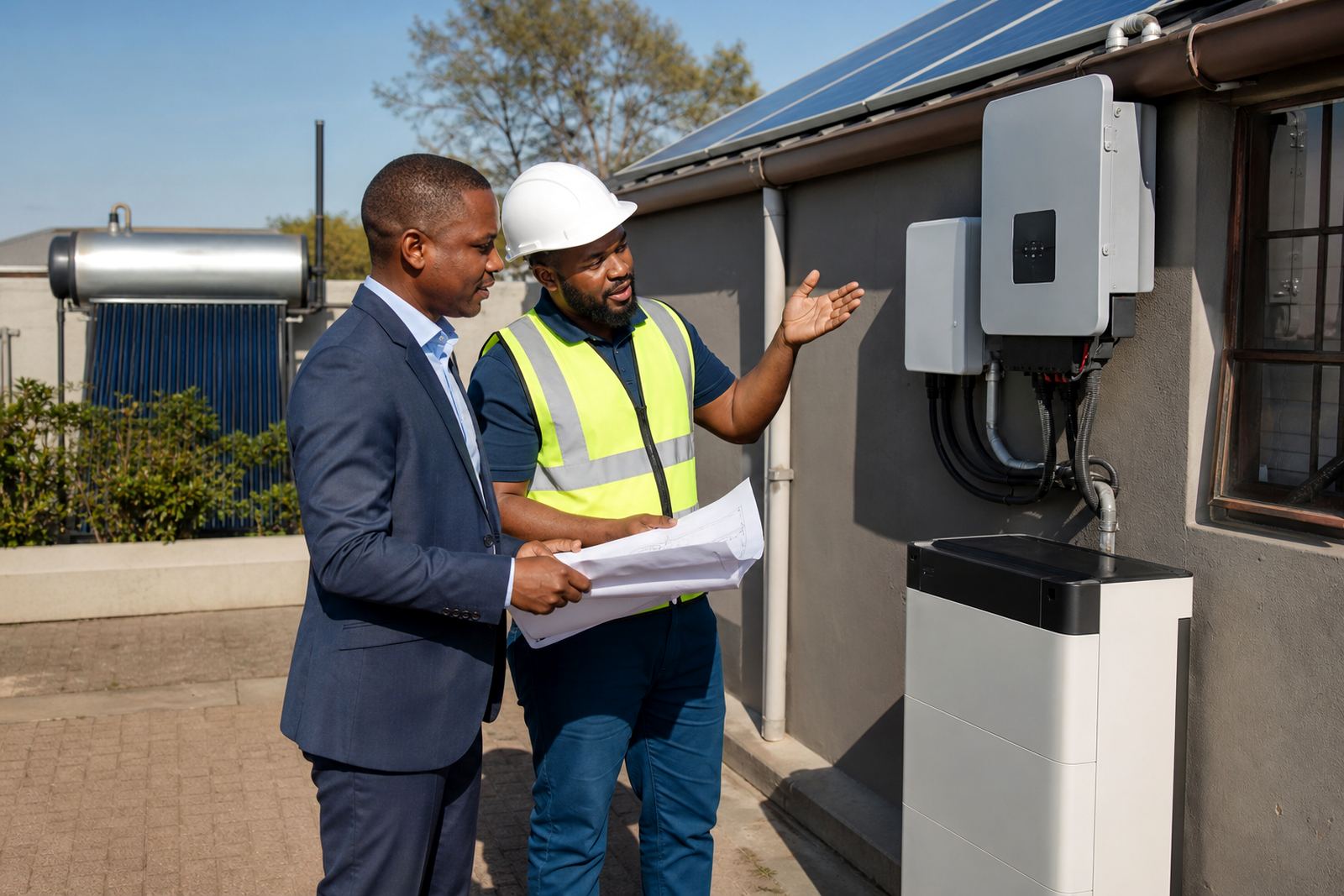
In a typical setup, the solar panels generate power during the day and feed the hybrid inverter. The inverter then decides whether to use that power straight away, store it in batteries, or send some of it to the municipal supply side if the installation is arranged that way. The batteries provide backup after sunset or during outages. In systems that include a solar water heater, the load on the inverter can be reduced because hot water is handled separately, which is often a practical choice for larger households.
Some people think the inverter will run everything in the house at once. That is rarely the right approach. A good installation separates essential and non-essential circuits. For example, a family in Centurion may want lights, the fridge, internet and a few plugs on backup, but not the oven, pool pump and air-conditioners all at once. That keeps the battery bank from draining too quickly and reduces nuisance trips.
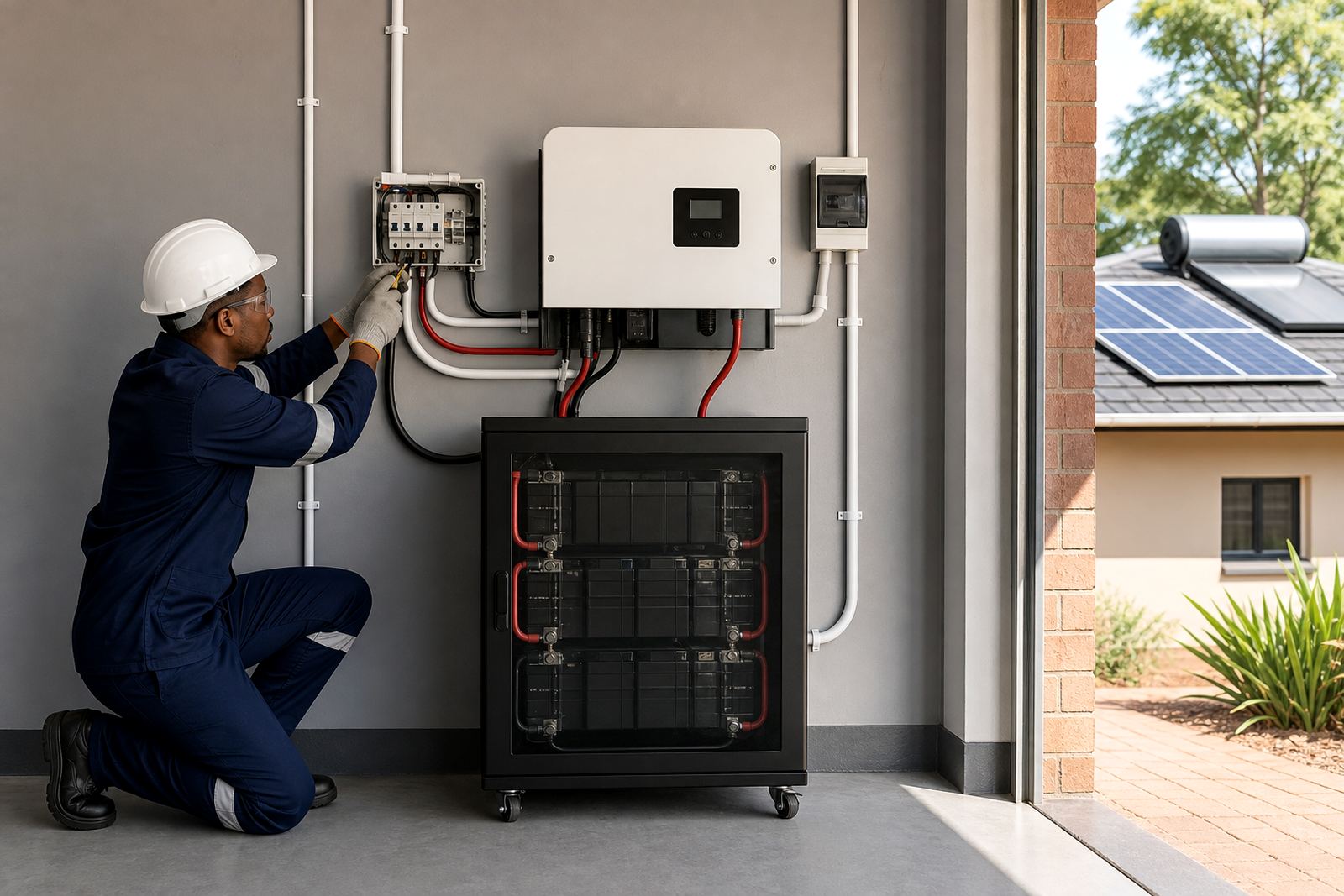
Electrical work must be handled by qualified installers. Correct cable sizing, protection devices, earthing and changeover arrangements matter just as much as the inverter itself. If those parts are rushed, the system can become unreliable even when the equipment is suitable.
Choosing the right size for your property
The right hybrid inverter depends on what you want to run, how long you want to run it and how much roof space you have for panels. A small home in Midrand with basic backup needs will not need the same configuration as a guesthouse in Bloemfontein or a small business with computers and refrigeration. Good planning starts with a list of appliances, their starting surges and the hours they must stay on.
Heat, shade and wiring layout also matter. In Durban, coastal humidity can affect equipment placement and cabinet choices. In Cape Town, wind and salt air near the coast call for tidy mounting and regular checks. In Johannesburg and Pretoria, roof orientation and storm exposure need to be considered. A properly matched system should suit the site, not just the brochure.
- Daily usage pattern
- Essential circuits only, or whole-property backup
- Roof or ground space for panels
- Battery capacity needed after sunset
- Future expansion for extra loads
We often tell clients not to oversize a system too quickly. It is better to install a well matched unit and understand the actual power use first. That avoids wasted cost and makes maintenance simpler too.
What good installation and commissioning should include
A hybrid inverter is only as good as the installation around it. The job should include proper site assessment, a clear design, secure mounting, neat cable runs, safe isolation and a final commissioning check. Once the system is live, the installer should confirm charging settings, backup priorities and the behaviour during grid failure. If water heating is part of the project, that should also be tested alongside the electrical integration.
For homes and small businesses in Gauteng, this is where local experience helps. A system in Pretoria may need different cable routes and protection than one in a tight townhouse complex in Johannesburg. Small commercial sites in Bloemfontein or Durban may also have different operating hours and load patterns. Good commissioning is not a quick sign-off, it is the step where the system is checked under real conditions.
At Linuo Solar, that work is handled by our team under the direction of Vuyo Phasha, with support from Naledi Kgosi, Sarel Delport, Palesa Mabena, Mothusi Mphahlele, Faatimah Latief and Unathi Tau. Each project is coordinated from Centurion, Pretoria, and the aim is simple: make sure the system is practical, safe and suited to the site.
Simple maintenance keeps the system dependable
Like any power equipment, a hybrid inverter needs a bit of attention. Dust buildup, loose connections, blocked ventilation and overlooked error messages can all reduce performance. Solar panels also benefit from cleaning, especially in dry areas around Gauteng where dust and bird mess can affect output. If the batteries are not being charged and discharged properly, that should be checked early before it becomes a bigger issue.
Regular maintenance is especially useful for small businesses that rely on power for trading hours. Fault finding, support callouts and seasonal checks can prevent a small problem from turning into a full stop. It also helps to review your setup after a major change, such as adding an air-conditioner, a new freezer or extra office equipment.
For many property owners, the main benefit of a hybrid inverter is peace of mind. You know where your power is coming from, what is being backed up, and how the system should behave when the grid drops. That clarity matters more than fancy features. And when the system is designed properly, it does its job quietly in the background.