Why Morning And Afternoon Light Feel Different On A Roof
Morning sun is usually softer and lower in the sky, while afternoon sun often arrives hotter and at a steeper angle. That difference matters because solar panels do not only need light, they need useful light at the right angle and without long periods of shade. A roof that gets clean morning sun may start producing early, while another roof may hold off until late morning but carry stronger output through the afternoon.
In practical terms, this means the best panel position is not always the roof section that looks brightest from the yard. A clear roof plane facing north is often a good start in Pretoria and Centurion, but nearby trees, parapets, water tanks, chimneys and even a neighbour's higher roof line can change what the panels see at different times. For homes with geyser timers, pool pumps or office equipment, the timing of generation can matter as much as the total daily output.
How Sun Timing Affects Homes And Small Businesses
Many homes use the most power in the morning for kettles, showers and getting children ready for school. Small businesses may draw more power in the afternoon when offices fill up, printers run and cooling systems work harder. That is why a site assessment should look beyond the roof shape and ask when power is actually used.
- Morning-heavy usage can suit panels that start producing early, especially where there is open eastern exposure.
- Afternoon-heavy usage may favour a roof section that stays clear of shade into the later part of the day.
- Battery storage can help shift daytime solar energy into the evening, which is useful during load-shedding or after business hours.
- Inverter settings should match the load pattern, so the system does not waste usable solar energy.
For a shop in Midrand or an office in Johannesburg, the right layout might be different from a family home in Bloemfontein. The same is true for a guest house in Cape Town where coastal weather and cloud cover can change from one side of the property to the other. Good planning looks at the whole day not just a single sunny moment.
North, East Or West: What Each Roof Face Does Best
In South Africa, north-facing roofs often remain the most practical choice for year-round production because they receive strong sun for most of the day. East-facing panels can be useful where early generation is important, while west-facing panels can support later demand. The right answer depends on the building and how the power is used.
There is no point forcing all panels onto one face if that creates shading or poor access for cleaning and maintenance. Sometimes splitting the array between east and west can spread generation across a longer part of the day, which can be helpful for a business that opens early and closes late. Other times, a single clean north-facing area gives simpler wiring and easier commissioning.
- East-facing panels help with earlier output after sunrise.
- West-facing panels help with late afternoon generation.
- North-facing panels often give the best overall daily yield on many South African roofs.
- Mixed orientations can flatten the generation curve across the day.
Shading In The Morning Is Not The Same As Shading Later On
Shade from a tree, water tank or nearby wall does not affect every panel in the same way all day. A patch of morning shade can delay production just enough to matter, especially if the system is undersized or the household starts using appliances early. Afternoon shade can be just as troublesome, particularly when batteries are not yet full and the family is still running lights, cooking appliances or air conditioning.
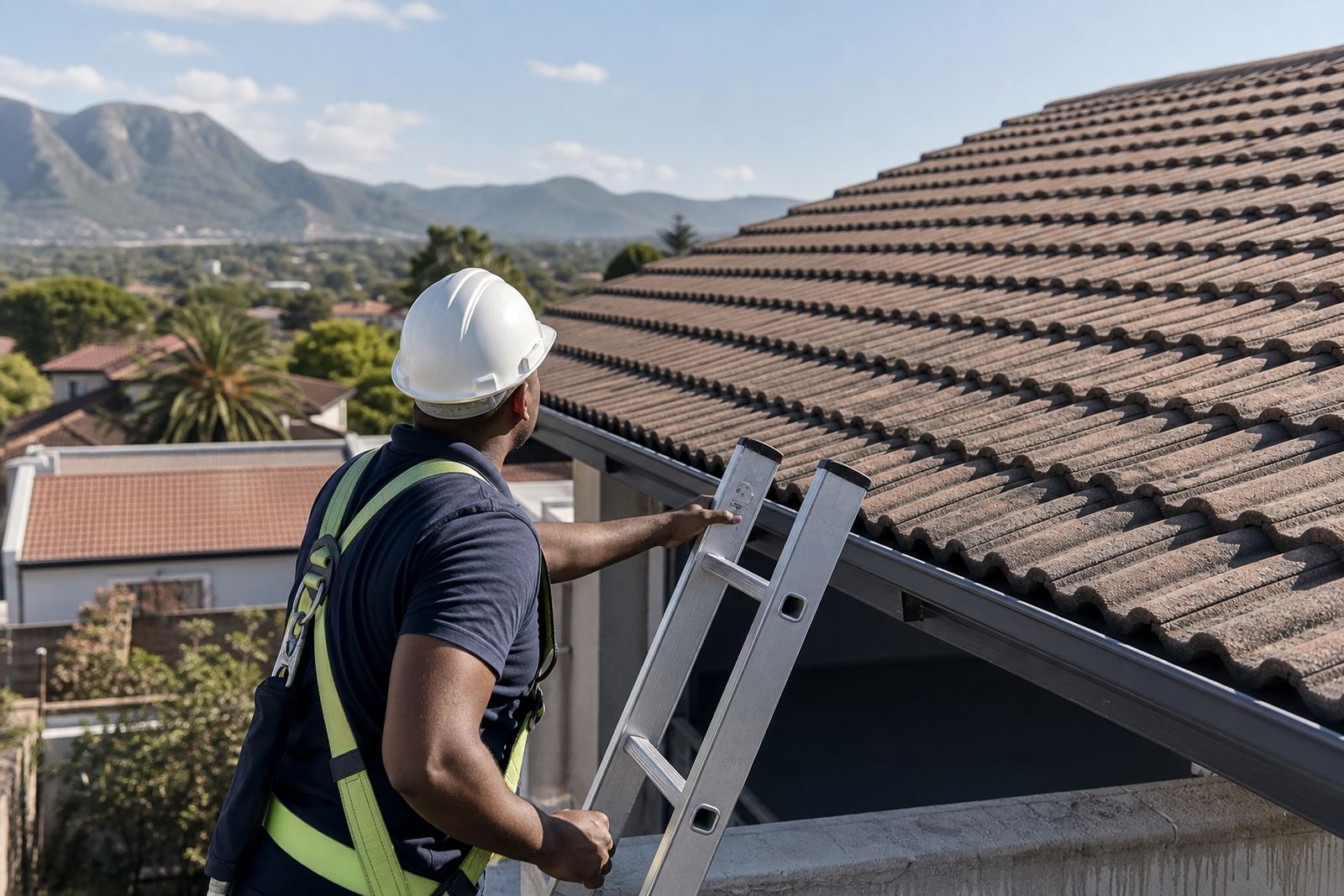
That is why we look at the full site, not only the roof pitch. The angle of the sun changes through winter and summer, and a problem that seems small in October may be much worse in June. A qualified installer should check for cable runs, safe fixing points, water ingress risks and access for future maintenance before any electrical work begins.
In coastal areas such as Durban and Cape Town, salt air and mist can also affect how often panels need cleaning. In dusty inland suburbs around Pretoria and Bloemfontein, dirt build-up may be the bigger issue. Either way, if the morning side of the roof gets more dust or bird droppings, output can drop earlier than many owners expect.
How Batteries And Inverters Change The Picture
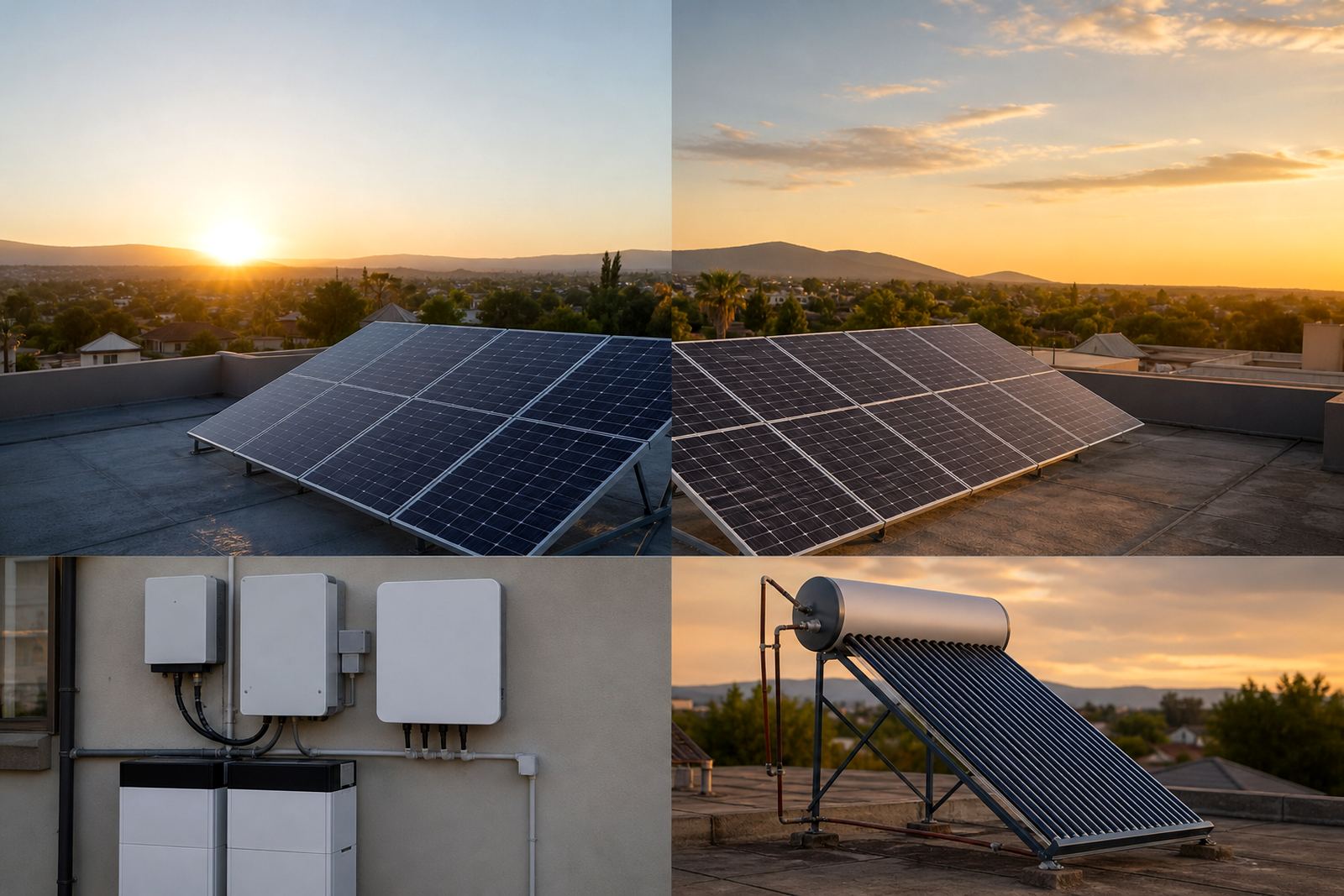
Panels and sunlight are only part of the story. An inverter manages how solar power is used, while batteries store extra energy for later. If your roof gets strong afternoon sun but your main demand is in the morning, battery storage can balance that gap. If your office uses more power during the day, the solar array may be best sized to support live loads first and storage second.
For many Pretoria households, the best arrangement is one that covers essential loads during outages and still leaves room for everyday use. For small businesses, the setup may need to keep routers, lights, gates and office equipment running while reducing pressure on the grid. Electrical integration should always be handled by qualified installers, because safe connections, isolation and commissioning are just as important as the panels themselves.
- Batteries help store midday solar energy for evening use.
- Inverters decide how power moves between panels, batteries and the building.
- System design should match your usual morning and afternoon demand.
- Good commissioning confirms the system works properly before handover.
A Pretoria Example From Centurion To The Rest Of Gauteng
Consider a family in Centurion with a north-west roof and a geyser that runs early in the morning. Their roof may start producing later than an east-facing roof, but it can still suit their daily routine if the system is designed around the geyser, fridge and evening use. Now compare that with a small business in Johannesburg that opens at 7am and sees peak activity by lunchtime. That site may benefit from a layout that starts earlier, even if it does not hold the strongest afternoon light.
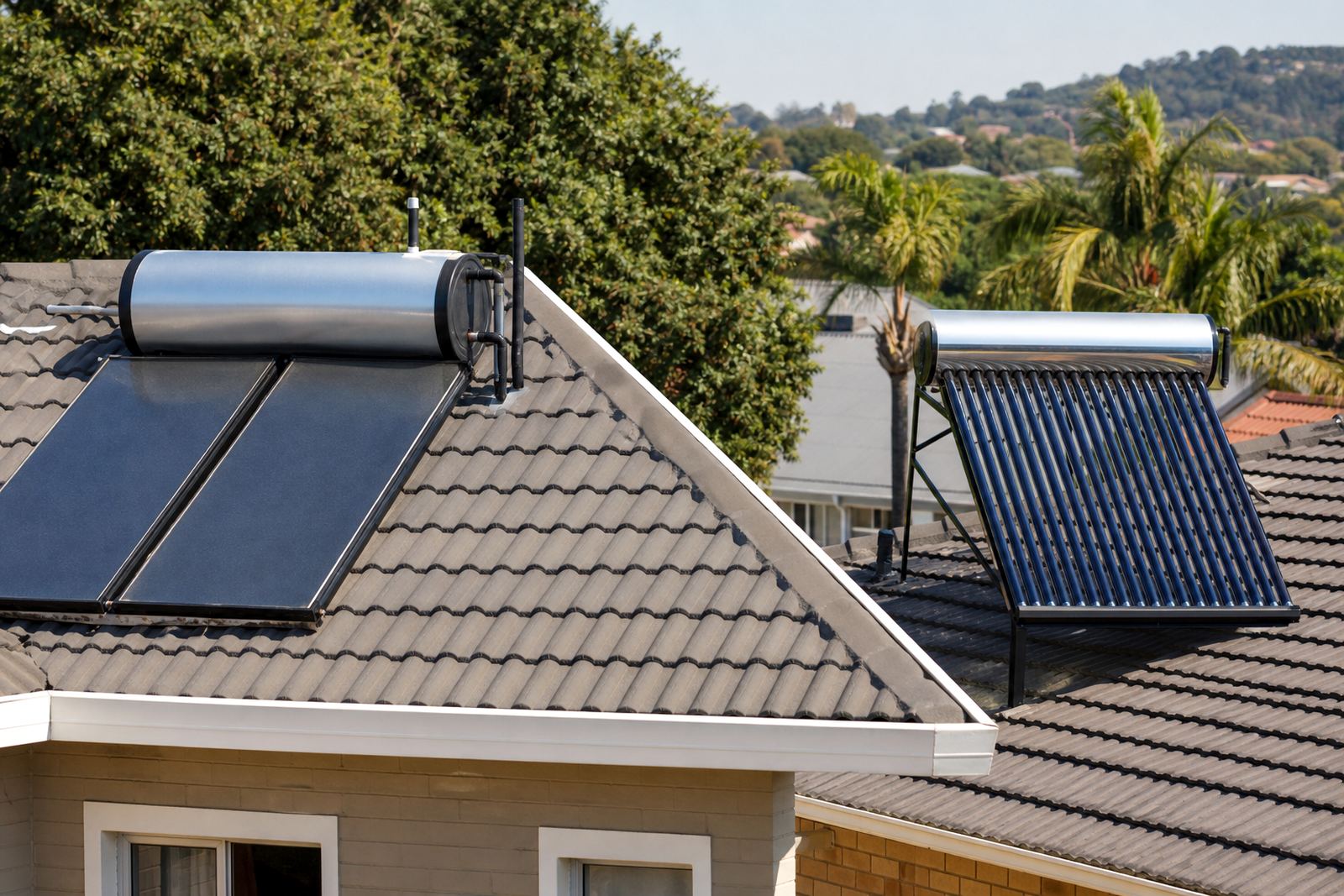
This is where site assessments matter. We look at roof direction, shade, cable routes, the condition of the switchboard and whether a solar water heater can take pressure off the electrical system. For homes and small businesses across Pretoria, Midrand, Durban, Cape Town and Bloemfontein, the right answer is never the same. It depends on the property, the loads and the times when power is most needed.
Morning sun can be valuable, afternoon sun can be valuable and in many cases the best system captures both. The key is not chasing one perfect hour of light, but matching the roof to the real rhythm of the building.