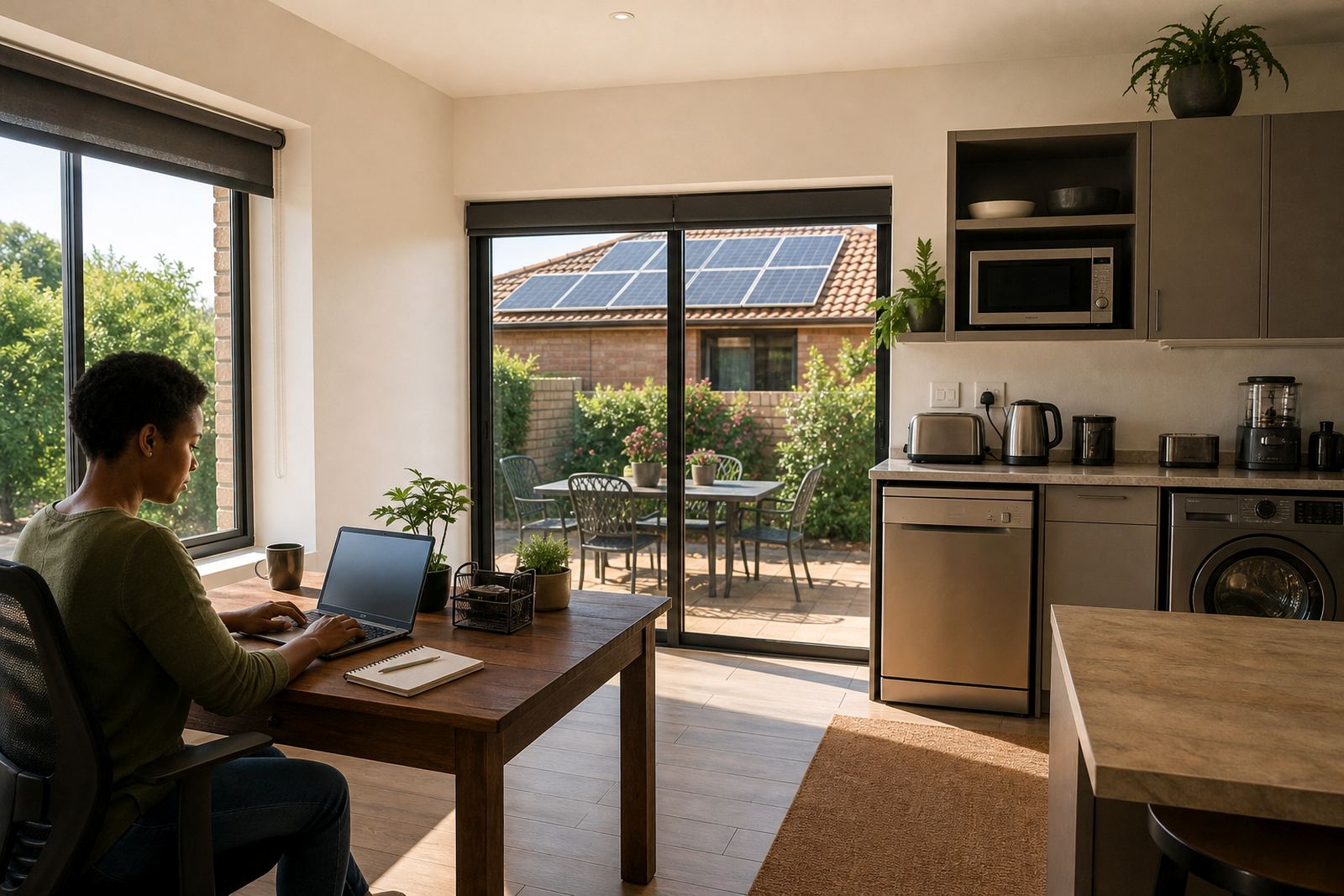
Why tiled roofs need a different fixing approach
Tiled roofs are common in Pretoria, Centurion, Johannesburg and many other South African towns, but they are not all built the same. Clay tiles, concrete tiles and older profiles each need a different fixing method so the load is spread properly and the waterproofing stays intact. A good installation starts with checking the roof structure, the tile condition and the batten spacing before any brackets go on.
The main risk is not the solar equipment itself, it is poor fixing into the roof below. If a tile is lifted carelessly or a hole is left open, water can track in during a summer storm. In coastal areas like Durban the added humidity can make weak roof details show up sooner, while in Gauteng strong afternoon winds can test loose mounting points. We treat tile roofs as a structural job first and a solar job second.
How panels are mounted without damaging the tiles
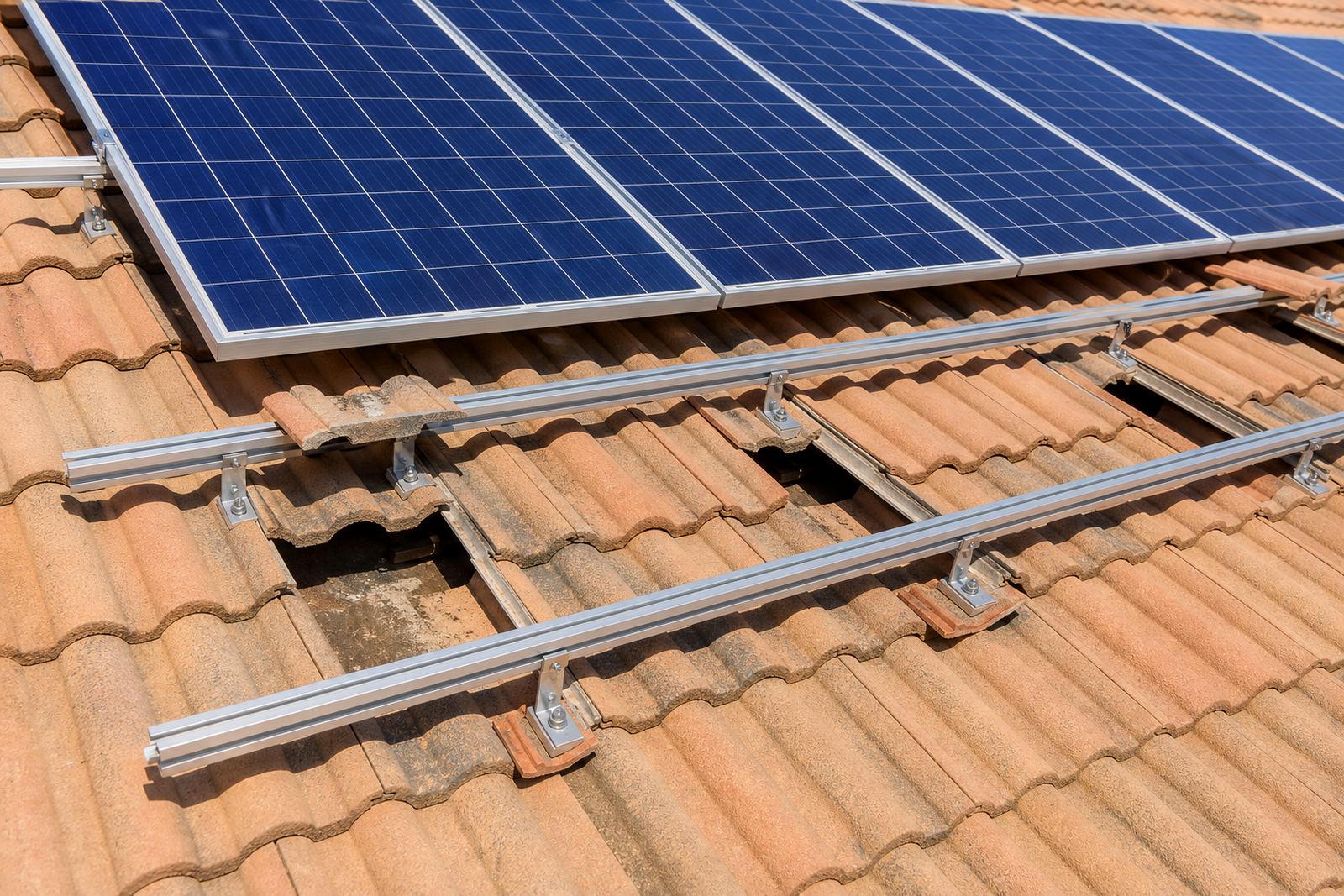
For solar panels on tiled roofs, installers normally work with roof hooks or standoff brackets that fix into the rafters or roof structure below the tiles. The tiles are then trimmed or lifted to allow the bracket to pass through without putting pressure on the tile edges. Once the rails are level, the panels are clamped in place and checked for even spacing.
On older homes, the roof may need small repairs before installation can begin. Broken tiles, soft battens and rusted screws can all affect the final result. In our view, it is better to stop and sort those issues out than to force the installation onto a roof that is already struggling. It saves time later and reduces the chance of leaks, movement or rattling noise in high wind.
- Roof hooks are useful where the tile profile allows a neat lift and refit.
- Standoff brackets help when extra clearance is needed for tile shape or drainage.
- Rails must sit straight so the panels line up and the load is shared evenly.
- Every fixing point should be sealed and tested before the job is signed off.
Solar water heaters on tile roofs and where they fit best
Solar water heaters place different demands on a tiled roof because they can be heavier than panels alone, especially when tanks and pipe runs are included. That means the roof structure must be checked carefully and the placement must suit the slope, the orientation and the weight-bearing points. In many homes, the collector goes on the roof and the tank is positioned where the structure can support it safely.
With these systems, pipe routing matters as much as the mounting. Hot water pipes should be clipped neatly and insulated so heat loss is reduced. The flashing around pipe exits and roof penetrations must be tidy because that is where many problems start. We also pay close attention to gutter flow and tile overlap so water can run off without pooling around the brackets.
For small businesses with guest houses, laundries or staff facilities, a well planned water heating setup can make day to day use simpler. The installation needs to match the actual hot water demand, not just the available roof space, and it should be done by qualified installers who handle the electrical work correctly where controls and backup elements are involved.
What a proper site assessment should cover
A site assessment is the best way to avoid surprises on installation day. It shows whether the roof is strong enough, where the best sun exposure sits, and how many panels or how large a water heating system the property can take. In Pretoria we often look at north facing roof areas first, but shade from nearby trees, parapet walls and neighbour buildings can change the final layout.
Good assessments also consider access. A steep tile roof, narrow driveway or limited parking can affect how safely materials are lifted onto the roof. If the home is in a quiet estate in Centurion or a tighter street in Johannesburg, planning the ladder position and fall protection becomes important. We also check where the inverter, batteries and protection equipment will be placed so the cable runs are short and neat.
- Inspect tile condition, roof pitch and rafter spacing.
- Check shading from trees, chimneys and neighbouring buildings.
- Confirm where the inverter, batteries and electrical protection will be mounted.
- Plan safe access for installers and material handling.
Electrical integration, commissioning and everyday use
Mounting the hardware is only part of the job. The electrical side needs proper routing, earthing, isolation and testing before the system is switched on. That is why electrical work must be completed by qualified installers who understand the load, the protection devices and the local requirements for the property. Whether the setup includes inverters, batteries or a water heating controller, it all has to be commissioned as one working system.
Commissioning should include checking polarity, confirming output, testing the changeover arrangements and making sure labels are clear. If a home or small business is dealing with load-shedding, the system should also be tested under actual operating conditions so the owner knows what to expect. Once everything is live, a short handover helps the client understand cleaning intervals, fault reporting and what signs to watch for after heavy rain or dust storms.
A Pretoria example: neat work on a tiled family roof
A common local example is a family home in Pretoria with concrete tiles, a north facing roof and limited backyard access. The owner wants solar panels for daytime use and a solar water heater to take pressure off the geyser during winter. In that case, the team would first inspect the roof, replace any cracked tiles and map out the safest fixing points before lifting a single panel.
From there the work would be done in stages. The roof mounts are fixed, the rails are aligned, the panels or water heating collectors are installed and the pipe or cable runs are sealed properly. After that comes electrical integration, system commissioning and a final check for leaks, cable tension and roof movement. It is practical work, not flashy work, and that is what matters when the roof has to perform through heat, hail and a wet summer in Gauteng.
Keeping tile roof systems in good shape after installation
Once the system is in place, a bit of maintenance goes a long way. Tiles can shift over time, especially after storms or when roof work has been done later by another contractor. Regular checks help catch loose brackets, cracked tiles, dust build-up and blocked gutters before they become bigger issues. Panel cleaning also matters in dusty areas and after dry winter spells, because grime can reduce output and make the roof look untidy.
We usually suggest a visual inspection after severe weather and again during routine servicing. If the property uses batteries, inverters or other electrical equipment, those components should also be checked for faults and signs of overheating. The goal is simple: keep the roof watertight, the fixings tight and the system working the way it should without constant attention from the owner.
- Watch for cracked tiles near fixing points.
- Keep gutters clear so water does not back up under the roof line.
- Arrange maintenance if you notice rattling, leaks or cable wear.
- Book panel cleaning where dust, pollen or bird droppings build up.
Linuo Solar works from Centurion, Pretoria and supports homes and small businesses across Pretoria, Johannesburg, Durban, Cape Town and Bloemfontein. Enquiries come through the contact page, where clients can ask about site assessments, installation, maintenance and support callouts.