How to request your assessment
Start by using the enquiry form on our contact page and select the type of property you need help with. Tell us whether you are looking at solar panels, an inverter, batteries, a solar water heater or a full combination of these, and include your suburb so we can plan a visit that suits your area.
We work from Centurion in Pretoria and support clients in Pretoria, Centurion, Johannesburg, Midrand, Durban, Cape Town and Bloemfontein. If you manage a small business, add your operating hours and any access rules for the building so we can book the visit around your day without unnecessary delays.
What we check during the site visit
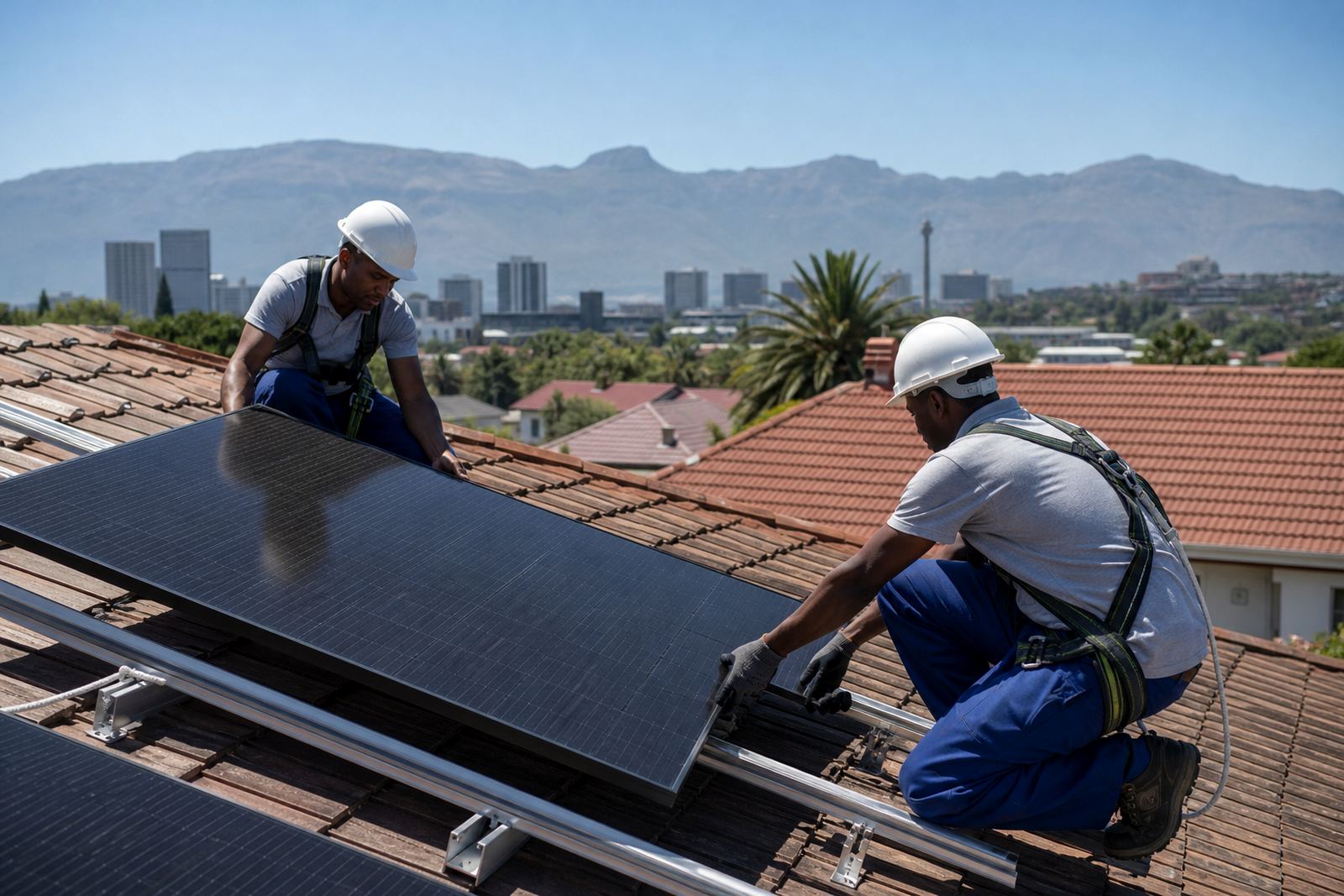
A proper assessment saves time later. Our team looks at the roof space, shade from nearby trees or buildings, cable routes, mounting options and the condition of your existing electrical board. For properties near the coast, we also take note of salt in the air and any extra wear that may affect fittings over time.
- Roof type, pitch and usable space
- Shading during morning and afternoon hours
- Electrical capacity and switching arrangement
- Water heater position, geyser piping and roof access
- Space for inverters, batteries and protection equipment
Why Pretoria weather and load-shedding matter
In Gauteng, many homes deal with long sunny days, but that does not mean every roof is suitable. We assess orientation, heat buildup, and whether your chosen position will still work well during summer storms or dusty conditions. In areas with regular load-shedding, we look at how the system should support essential circuits first, then the rest of the property if required.
For small businesses in industrial or mixed-use areas, we also consider opening times, refrigeration loads and staff safety. If your premises use heavy appliances or pumps, we will note that in the design stage so the equipment is matched to the actual demand, not a rough guess.
Meeting the right people on the day
Your assessment is handled by a practical team that knows how local homes and business premises are put together. Vuyo Phasha leads the company, with support from Naledi Kgosi on operations, Sarel Delport on installation, Palesa Mabena on project coordination, Mothusi Mphahlele on technical support, Faatimah Latief on customer care and Unathi Tau on solar water heating.
The electrical work is done by qualified installers, and any site notes are recorded before the job is scheduled. That helps us keep the process clear from the first visit through to commissioning. It also means you know who is handling each part of the work, which is useful when you are arranging access, body corporate approval or municipal related checks.
What happens after the assessment
Once the visit is complete, we review the findings and prepare the next steps. If the property is suitable, we move on to system design and then installation planning. If a roof needs attention or the electrical layout needs changes first, we explain that plainly so you can make an informed decision before any equipment is fitted.
- Assessment notes are reviewed by the team
- A recommended setup is planned for your property
- Installation dates are arranged around access and weather
- Electrical integration and commissioning are scheduled with care
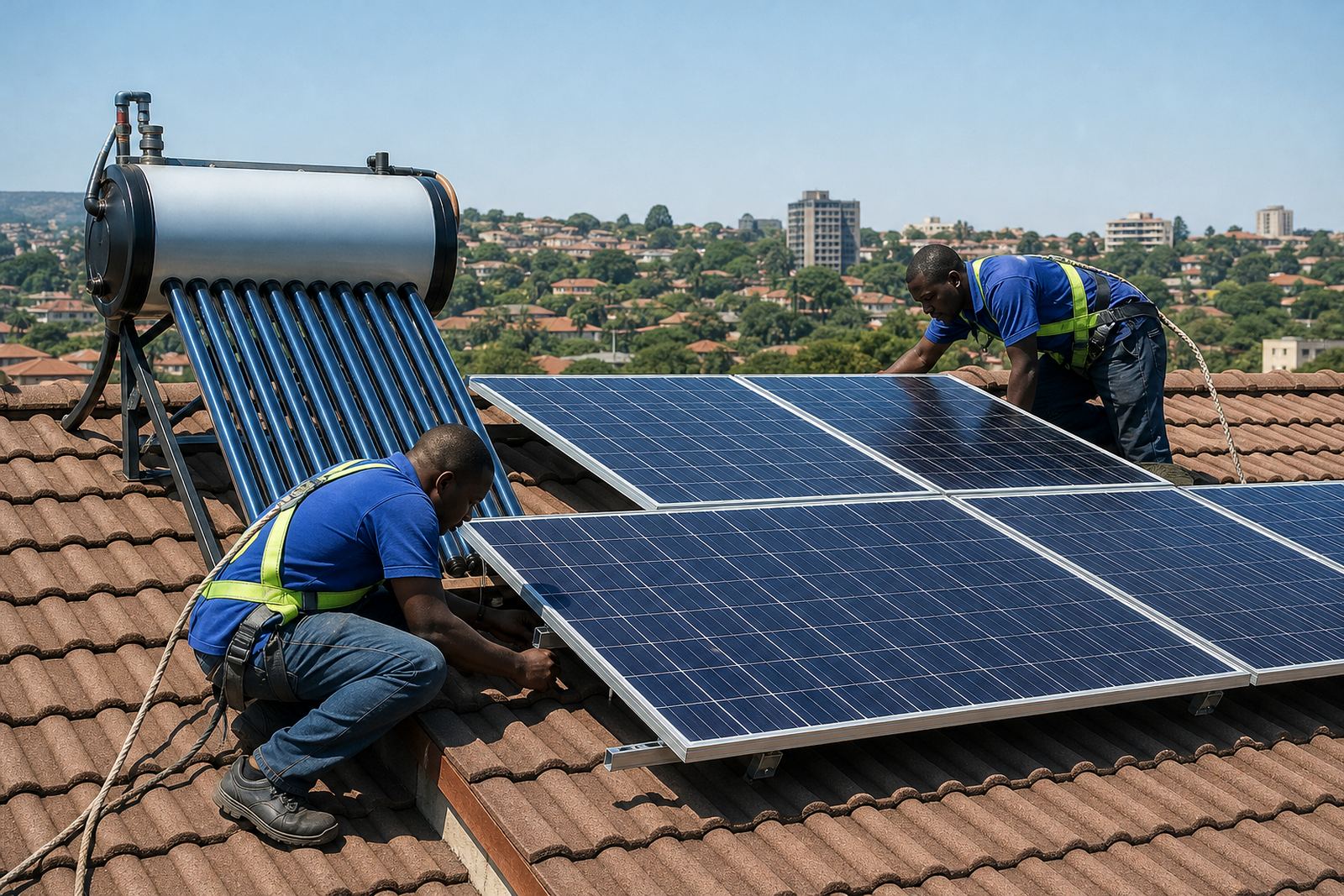
For solar water heating, we check geyser position, pipe runs and the hot water demand in the home or business. For panel systems, we confirm where mounting will be practical and how the inverter and battery area can be kept tidy and accessible.
Keeping your system working after installation
Support does not stop once the system is in place. We provide solar maintenance, fault finding, panel cleaning and support callouts for homes and small businesses. Dust, coastal humidity and loose connections can all affect performance, so it helps to have the system checked now and then instead of waiting for a breakdown.
If you need help after a storm, after load-shedding issues or because a water heater is not performing as expected, we will work through the problem in a practical way. Many callouts can be handled quickly when the original assessment and commissioning records are in order, which saves time for everyone.