A practical brief for a busy family home in Soweto
The client was a family household in Soweto looking for a smaller solar setup that could cover the basics without turning the property into a full off-grid site. The main aim was to keep key circuits running through scheduled outages and to reduce the strain on the municipal supply during busy evening hours. The family also wanted a neat installation that would suit an occupied home and not interrupt daily routines for long.
From the first site assessment, the brief was clear. The system had to work for a compact roof, cope with Johannesburg weather, and allow for future growth if the family later wanted to add more storage or extra panels. The roof pitch and available shade mattered, as did the position of the distribution board and geyser. We also had to plan around the fact that the household was lived in throughout the project, so access and timing had to be managed carefully.
- Client type: family home
- Town: Soweto, Gauteng
- Use case: daily household backup and energy support
- Project type: residential solar supply and installation
What the site allowed and what it needed
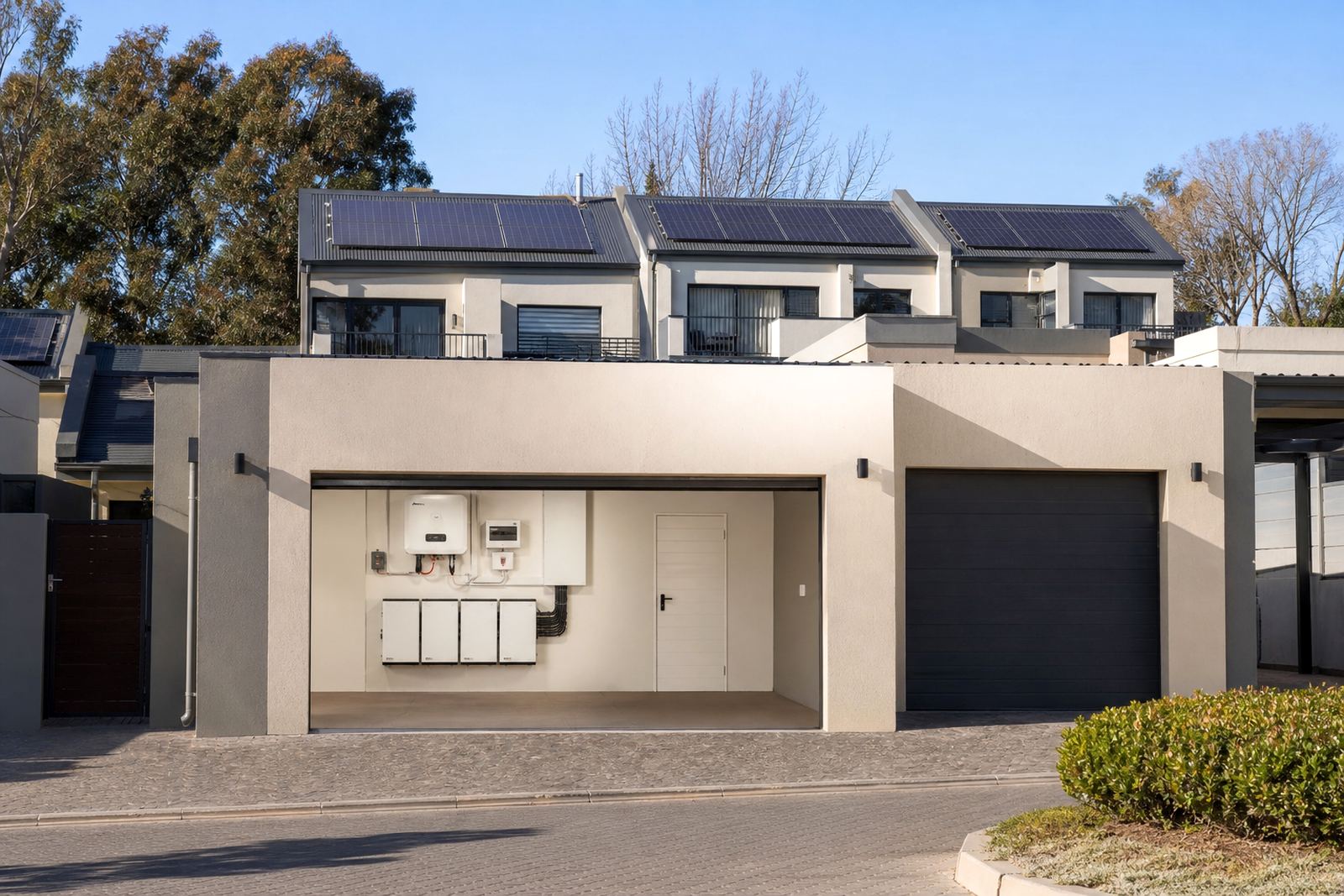
The roof space was enough for a modest array, but not generous. We had to place the panels where they would get the best sun through the day while avoiding shaded areas from nearby structures and trees. The property also had a limited area for equipment placement, so the inverter and battery had to be positioned with good airflow and easy access for maintenance. Because the home is in a part of Soweto that can see dust and seasonal rain, we also paid attention to cable routes, sealing and general weather protection.
There was another constraint that is common in many residential jobs in Gauteng. The electrical side had to be done cleanly and in line with local rules, with all integration handled by qualified installers. That included safe changeover arrangements, neat circuit separation where needed, and commissioning that made sense for the family’s day to day use. The aim was not to overcomplicate things. It was to make the system practical, safe and easy to live with.
- Roof area: compact but usable
- Challenge: partial shade and limited plant space
- Consideration: dust, rain and heat exposure
- Electrical work: completed by qualified installers
Supplied for steady household use
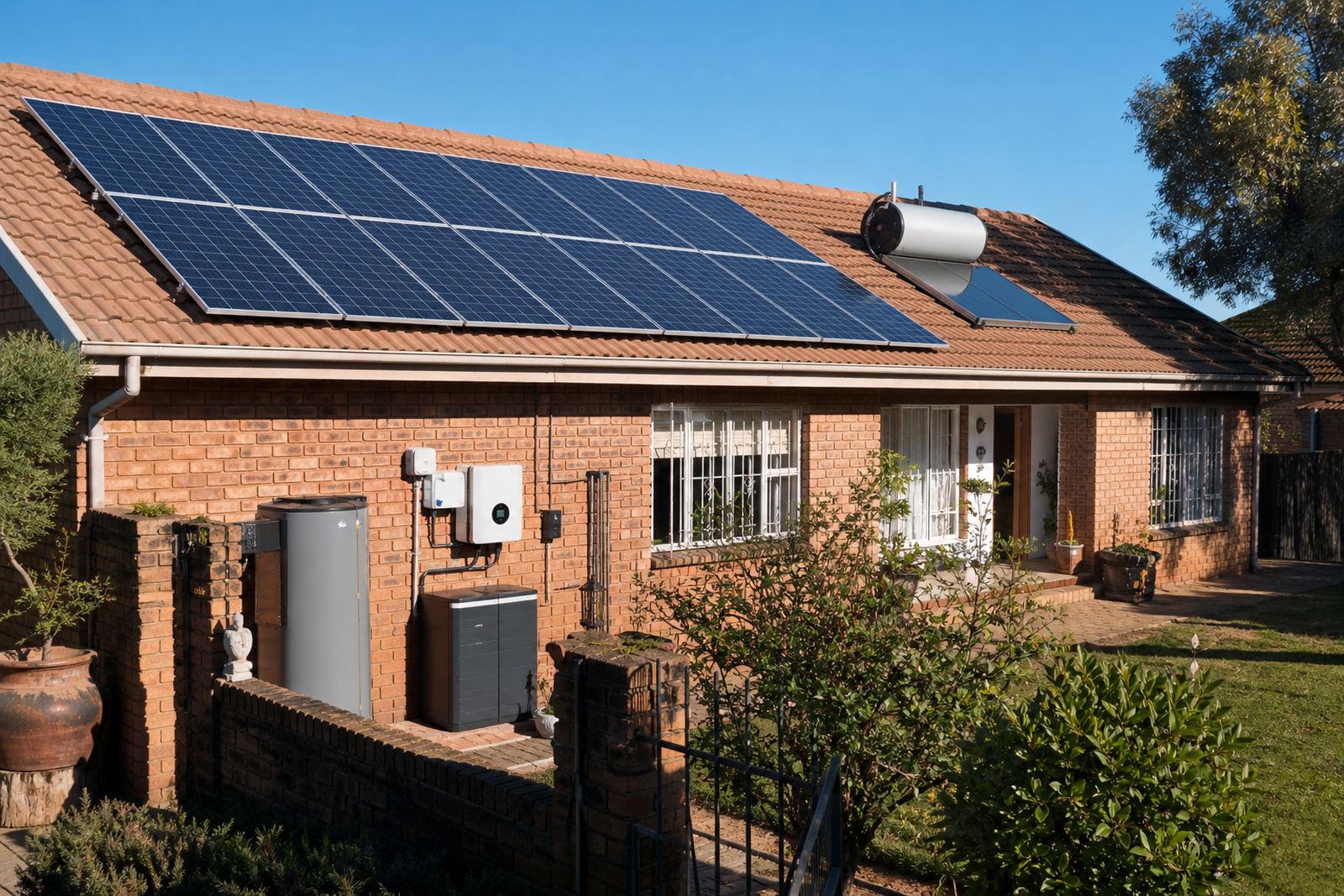
We supplied a compact system made up of solar panels, an inverter, battery storage and the electrical components needed for integration with the home. The panel array was sized for a family house with everyday evening and daytime support in mind, not for heavy commercial loads. The battery was selected to give useful backup during power cuts and to help bridge the evening peak after sunset. The inverter was configured to manage essential circuits and keep the home running in a controlled way when the grid was not available.
The household also wanted hot water support, so we included a solar water heating solution suited to domestic use. That helped reduce reliance on electricity for geyser heating, which is one of the biggest loads in many South African homes. For a family in Soweto, that makes a real difference in how the whole house behaves during load-shedding, especially when the evenings are cold and everyone is at home.
- Solar panels sized for a compact residence
- Battery storage for evening and outage support
- Inverter for essential household circuits
- Solar water heater for domestic hot water use
Installation carried out in planned stages
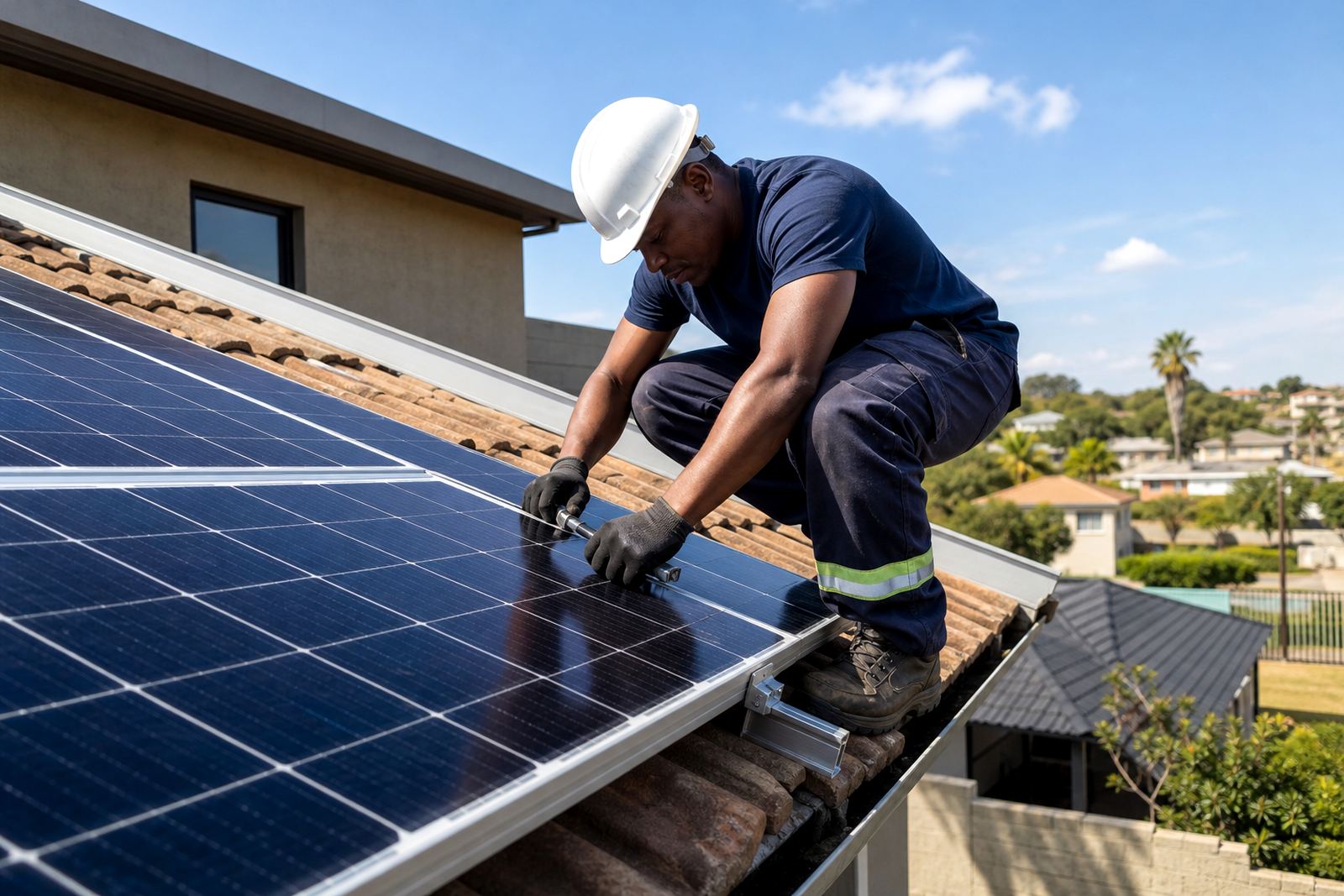
The work was completed over two weeks. In week one, our team carried out the site assessment, final layout and material preparation. That included checking roof access, measuring cable runs and confirming the location of the equipment. In week two, we completed the installation, electrical integration and commissioning. The family could continue living in the home while the work was carried out, which meant keeping the schedule tidy and limiting disruption to short sections of the day.
Our team on this project included senior solar installation, technical support, project coordination and customer care. The electrical portion was handled by qualified installers and checked carefully before handover. Once the system was live, we explained how the inverter display works, what the battery behaviour means during outages, and how to use the hot water setup properly. We also pointed out the normal maintenance items, such as keeping the panels clean and watching for any shading changes over time.
- Week 1: assessment and planning
- Week 2: installation and commissioning
- Electrical integration completed by qualified installers
- Handover included basic operation guidance
Results for the home after commissioning
After commissioning, the household had a cleaner way to manage everyday power interruptions. The essential circuits could stay up for normal family use, the battery gave backup during outages, and the solar water heating reduced pressure on the electrical system. The family could keep lighting, communications and selected appliances going with less disruption, and the home was better prepared for regular load-shedding patterns in Gauteng.
The result was not about chasing big claims. It was about giving a family in Soweto a system that matched the size of the house and the way they live. Because the equipment was correctly sized and properly installed, the system suited the property instead of overwhelming it. That matters when you are trying to keep things simple, reliable and manageable over the long term.
- Improved backup for essential household use
- Reduced reliance on the grid for hot water heating
- Neater energy control during load-shedding
- System matched to the property and household habits
Steps We’d Keep For A Similar Workshop Job
If we were doing the same type of project again in Soweto or another suburban area, we would follow the same approach. Start with a proper site assessment, size the system to the actual daily load, keep the equipment layout simple and make sure the electrical work is handled by qualified installers from the start. For a family home, that order matters. It prevents over-specifying the system and helps keep the installation neat and practical.
We would also plan for future maintenance from day one. In Gauteng, dust build-up and changing shade patterns can affect output, so the client should know how to keep an eye on the roof and when to call for support. Our team can assist with fault finding, support callouts, panel cleaning and maintenance if needed, which gives homeowners a straightforward way to keep the system performing properly as seasons change.
- Start with a proper load assessment
- Keep the layout neat and serviceable
- Use qualified installers for all electrical work
- Plan for cleaning and maintenance after handover
Key facts
| Project | Soweto Family Home |
|---|---|
| Location | Soweto, Gauteng |
| Client type | Private family residence |
| System type | Compact residential solar with battery and water heating support |
| Timeline | 2 weeks |
| Scope | Site assessment, system design, panel installation, inverter installation, battery installation, water heater installation, electrical integration and commissioning |