A Home Office That Had To Stay On Through Loadshedding
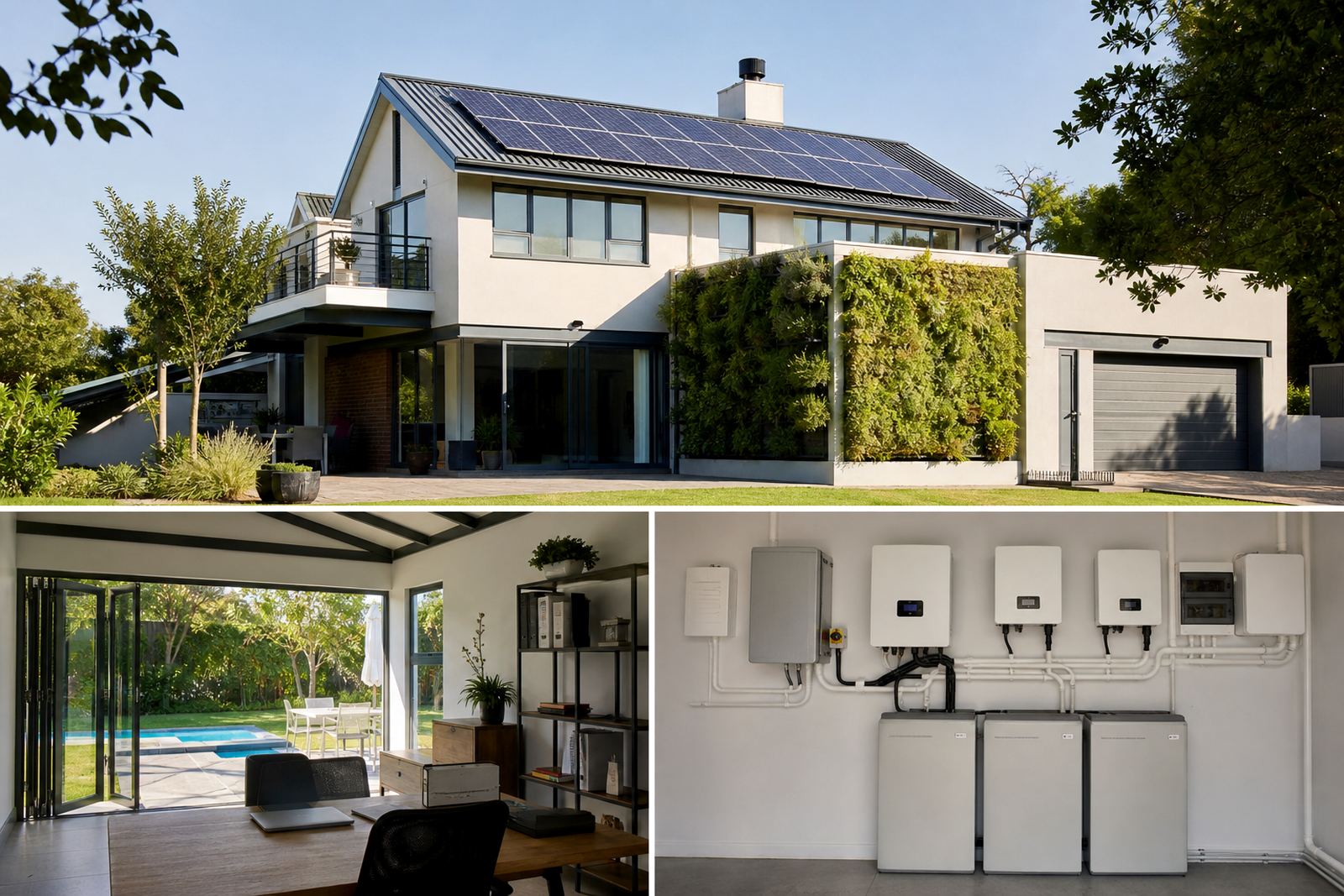
The property is in Menlyn, Pretoria, in a mixed residential area where the client works from home full-time and needed a cleaner, quieter power solution. The brief was simple enough on paper: keep the office usable during the day, reduce pressure on municipal supply and make sure the study, router, monitors and selected household circuits stayed up when loadshedding hit.
The client did not want an oversized system and did not want to pay for capacity that would sit unused. The roof space was limited by shade from nearby structures and a mature tree at certain times of day, so the design had to make practical use of the available area. Pretoria summers also bring heat that can affect panel performance, while winter mornings can leave batteries working harder than expected, so we planned for both.
We also had to work around a normal family home routine, with limited disruption during weekdays. That meant careful scheduling, neat cable routing and a clean changeover between the home office circuits and the backup side. The property owner wanted the installation finished without turning the house upside down, which is fair enough.
What We Designed For The Brief
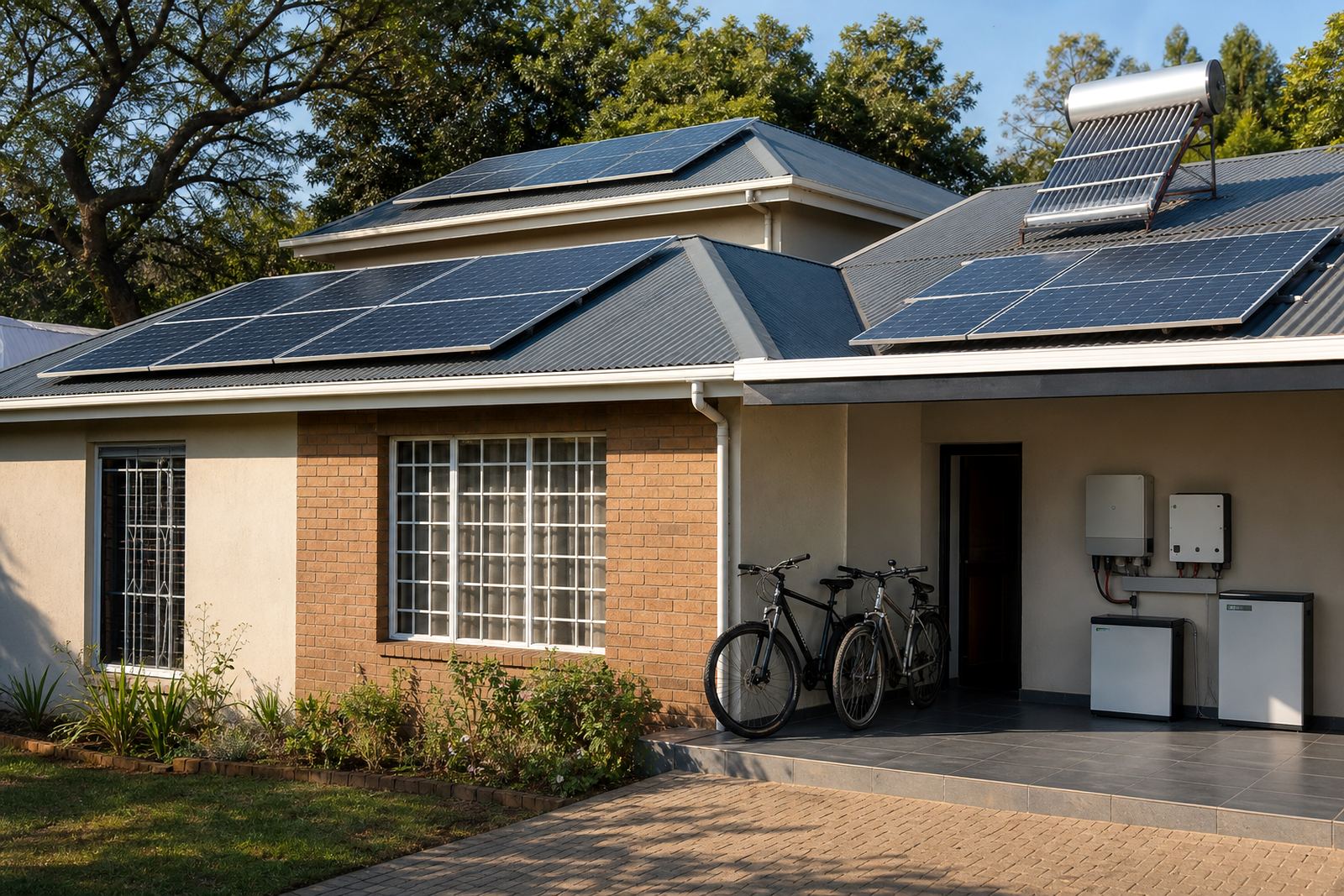
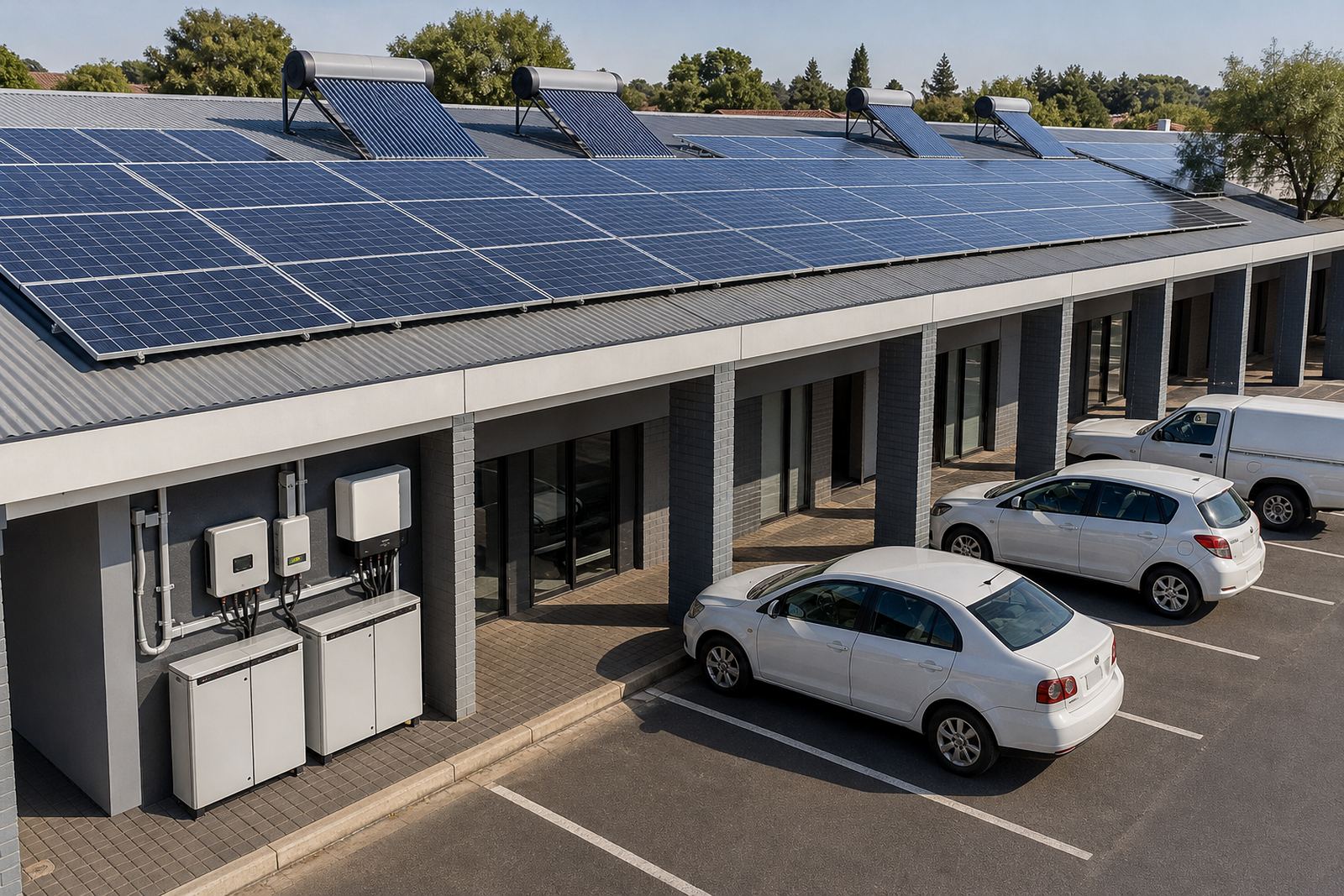
We specified a hybrid setup built around daytime solar generation, battery backup and inverter management for selected circuits. The system was sized for the office load first, then adjusted to support practical household essentials without trying to power everything at once. That keeps the system more usefull and avoids poor performance when the weather turns or the batteries are under strain.
- Solar panels positioned for strong morning and midday output
- Hybrid inverter for solar use, battery charging and backup changeover
- Lithium battery storage for evening and outage support
- Sub-DB split for office equipment and essential home circuits
- Protective gear, isolators and surge protection where required
The electrical work was done by qualified installers, with commissioning handled after the full installation was complete. We checked the load profile before finalising the design so the system could handle the way the client actually works, not just a theoretical ideal day. That included the printer, lights, modem, benchtop setup and a few practical plug points. The aim was stability first, not gimmicks.
How The Installation Was Carried Out
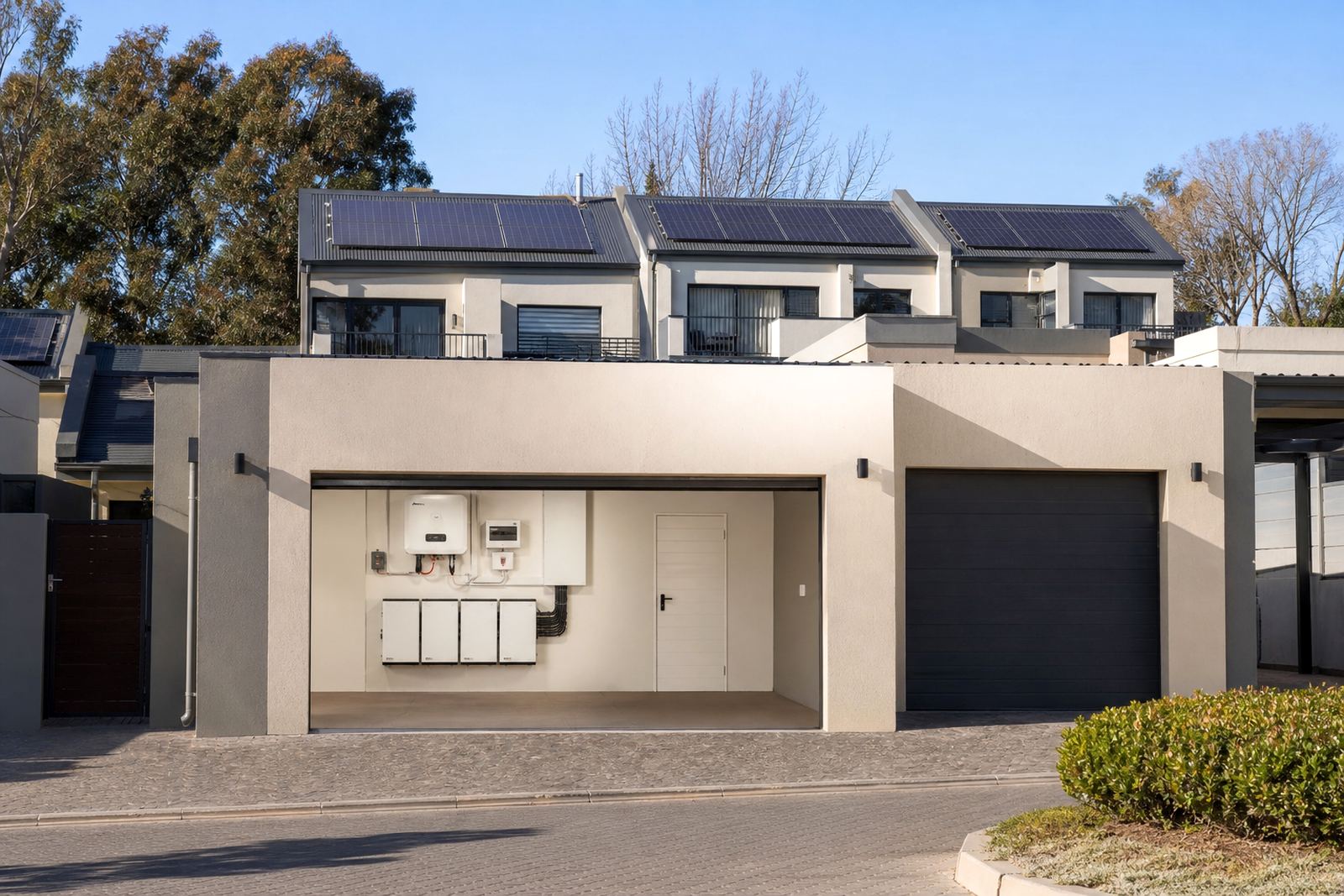
We started with a site assessment and roof check, then planned the panel layout, cable route and equipment position in the garage area. The project was completed over two weeks from sign-off to commissioning. Week one covered prep work, mounting structure, panel installation and the inverter and battery position. Week two covered electrical integration, changeover circuits, testing and final handover.
The roof mounting was set out to suit the available space and avoid weak points in the structure. Because the site is in Pretoria, we also paid attention to dust, heat and seasonal storm conditions, so the fixings and cable runs were selected with that in mind. The battery and inverter were installed in a ventilated indoor position to help with lifespan and day to day reliability.
- Panel mounting and alignment completed first
- DC and AC cabling routed with protection in place
- Inverter programmed for hybrid operation and battery prioritisation
- Selected circuits isolated onto a backup board
- Full system test carried out under load before handover
The homeowner was shown how the system behaves during daytime use, battery discharge and power cuts. We also explained what should be kept on the backup side and what should stay off during extended outages. A little planning at this stage saves trouble later, especially when the power goes off at odd hours.
Day-To-Day Results For The Client
After commissioning, the home office had a stable power source during the day and dependable support during outages. The client could continue working through short interruptions without restarting devices every time the grid failed. The batteries carried the essential load into the evening, while the solar panels supplied the bulk of daytime use when conditions were good.
There was also a practical benefit for the rest of the house. By moving selected loads onto the backup side, the client could keep the most important essentials running without trying to support the full property on one system. That matters in homes where different people use power at different times and nobody wants to be checking trip switches all day.
The owner also wanted a solution that would be easy to maintain. The system layout allows for cleaning, fault checks and future adjustments without major disruption. In Pretoria, dust and seasonal pollen can build up on panels, so a simple cleaning routine and occasional inspection will keep the system performing properly.
Why This Setup Suits Menlyn Properties
Menlyn homes often sit in a busy, established part of Pretoria where roof orientation, neighbouring shade and space around the house all affect solar planning. A home office adds another layer because power quality matters more when equipment must stay online. We would approach this type of project the same way again: measure the real load, keep the design practical and avoid overspending on equipment that does not earn its keep.
For this type of property we would always recommend the same basics:
- Do a proper load review before buying equipment
- Keep the office circuits separate from non-essential loads
- Plan for heat, dust and seasonal weather changes
- Allow space for future battery expansion if needed
- Schedule maintenance and panel cleaning at least a few times a year
That approach works well for homeowners in Pretoria, Johannesburg, Midrand and other Gauteng suburbs, and it also suits clients in Durban, Cape Town and Bloemfontein where local conditions differ but the goal stays the same: reliable power without unnecessary complications.
Key Decisions For A Similar Home Office Project
We would keep the same process for a future home office installation: assess the load properly, size the inverter and battery bank to match the real usage, and make sure electrical work is handled by qualified installers. We would also keep the commissioning stage thorough, because small issues are easier to catch before handover than after the client has started depending on the system every day.
For a working home in Menlyn, that practical method delivered exactly what was needed. The client now has a cleaner setup for daytime generation, backup support for outages and a system that fits the house rather than fighting it. It is the kind of installation that earns its place through daily use, not by looking impressive on day one.
Key facts
| Project | Menlyn Home Office hybrid solar installation |
|---|---|
| Town | Menlyn, Pretoria, Gauteng |
| Timeline | 2 weeks from site assessment to commissioning |
| System Type | Hybrid solar setup for daytime generation and backup support |
| Main Equipment | Solar panels, hybrid inverter, lithium battery storage |
| Key Use | Home office power, essential circuits and loadshedding backup |