A Centurion home with daily power interruptions in mind
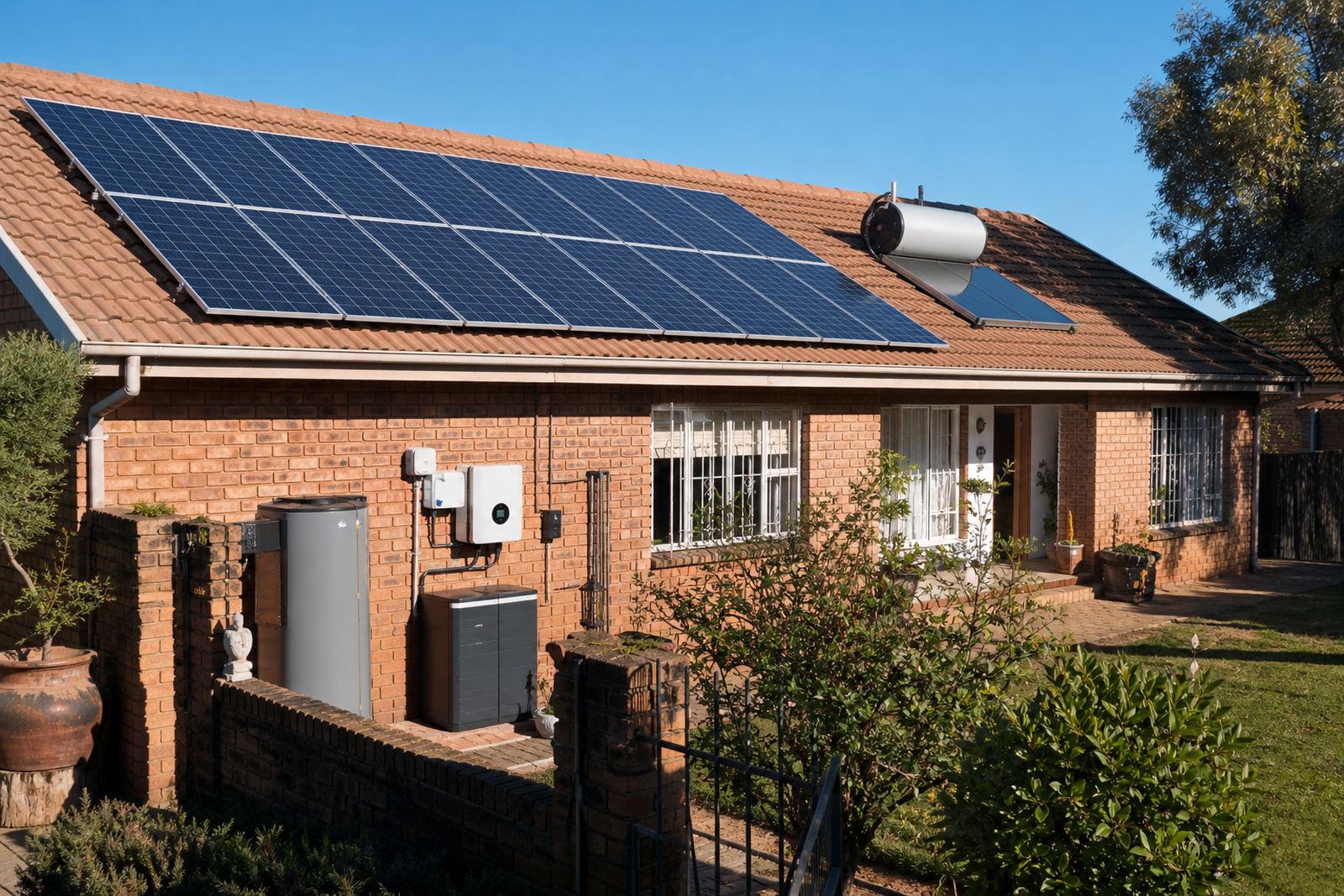
This project was for a family home in Centurion, Pretoria, where the owners wanted a practical solar setup that could support the house through load-shedding and reduce pressure on the monthly electricity bill. The home had the usual mix of daytime appliance use, evening cooking, lights, TV, internet and a few items that must stay on when the power drops out.
The brief was straightforward. The family wanted a tidy roof installation, enough battery support for essential loads, and a system that would be easy to manage without constant attention. They also wanted the work done properly, with the electrical side handled by qualified installers and the final setup made safe for daily use.
Because Centurion weather can bring strong sun, summer storms and dust, we also had to think about equipment placement and cable routing. The property had limited roof space on the most suitable pitch, so the design had to make use of that area efficiently. We planned for a layout that would work well in Pretoria conditions and still leave room for future expansion if the household ever wants to add more load.
What we assessed before the first bracket went up
We started with a site assessment and load review. That included looking at the roof structure, existing distribution board layout, space for battery equipment and the types of circuits the family wanted backed up. We also checked the property for shading from nearby walls and trees, because even a small shadow can affect panel output during certain parts of the day.
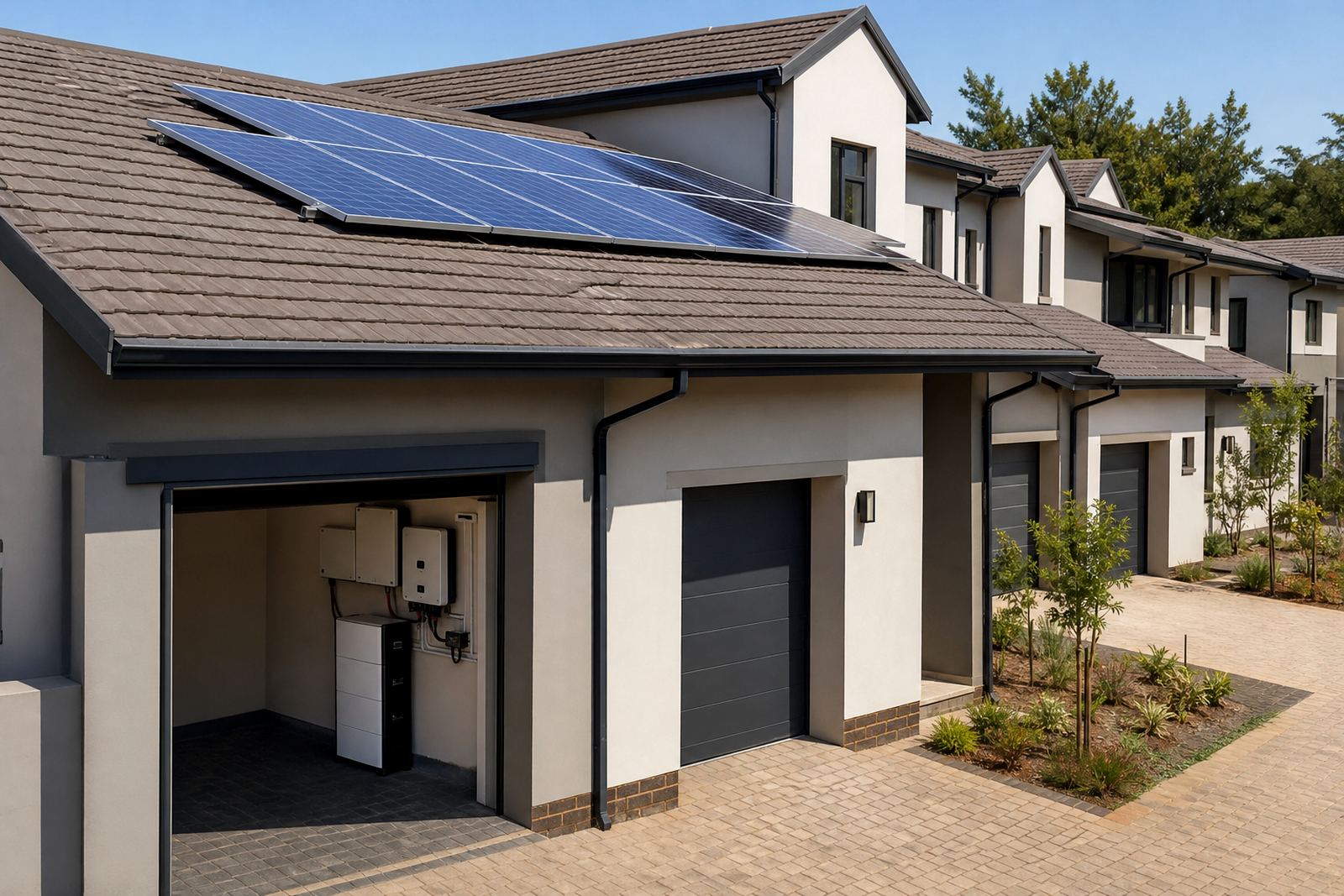
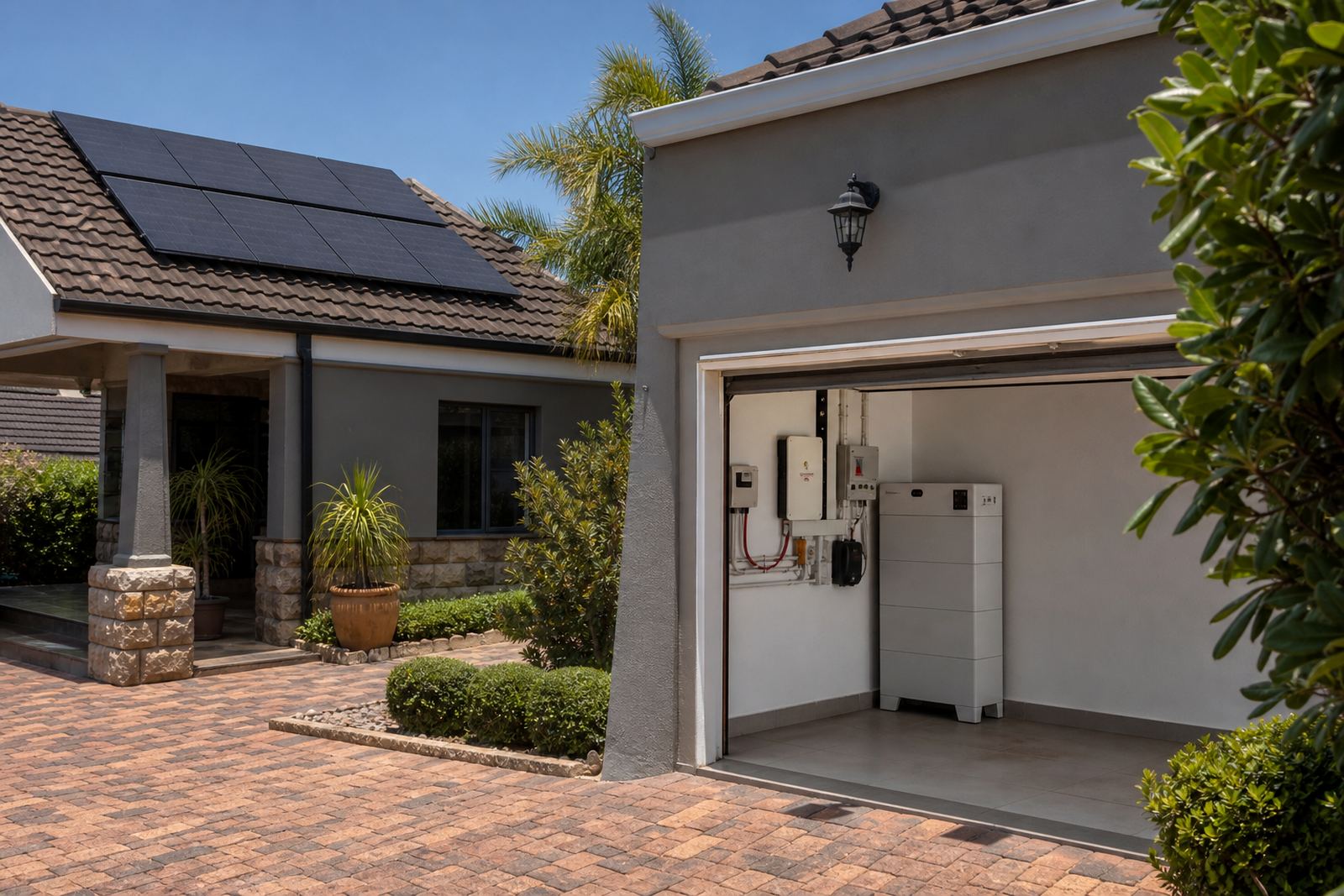
The home had enough space for a neat array on the best-facing roof section, but the cable route to the point of integration needed careful planning. There was also the normal Centurion concern around heat buildup in enclosed areas, so the battery location had to allow for proper airflow and maintenance access. We kept the design clean and practical, with no unnecessary complication.
- Roof and site assessment completed before design sign-off
- Review of essential loads and household usage patterns
- Check of shading, cable routes and battery placement
- Planning for safe electrical integration into the existing supply
The solar package we supplied for this family
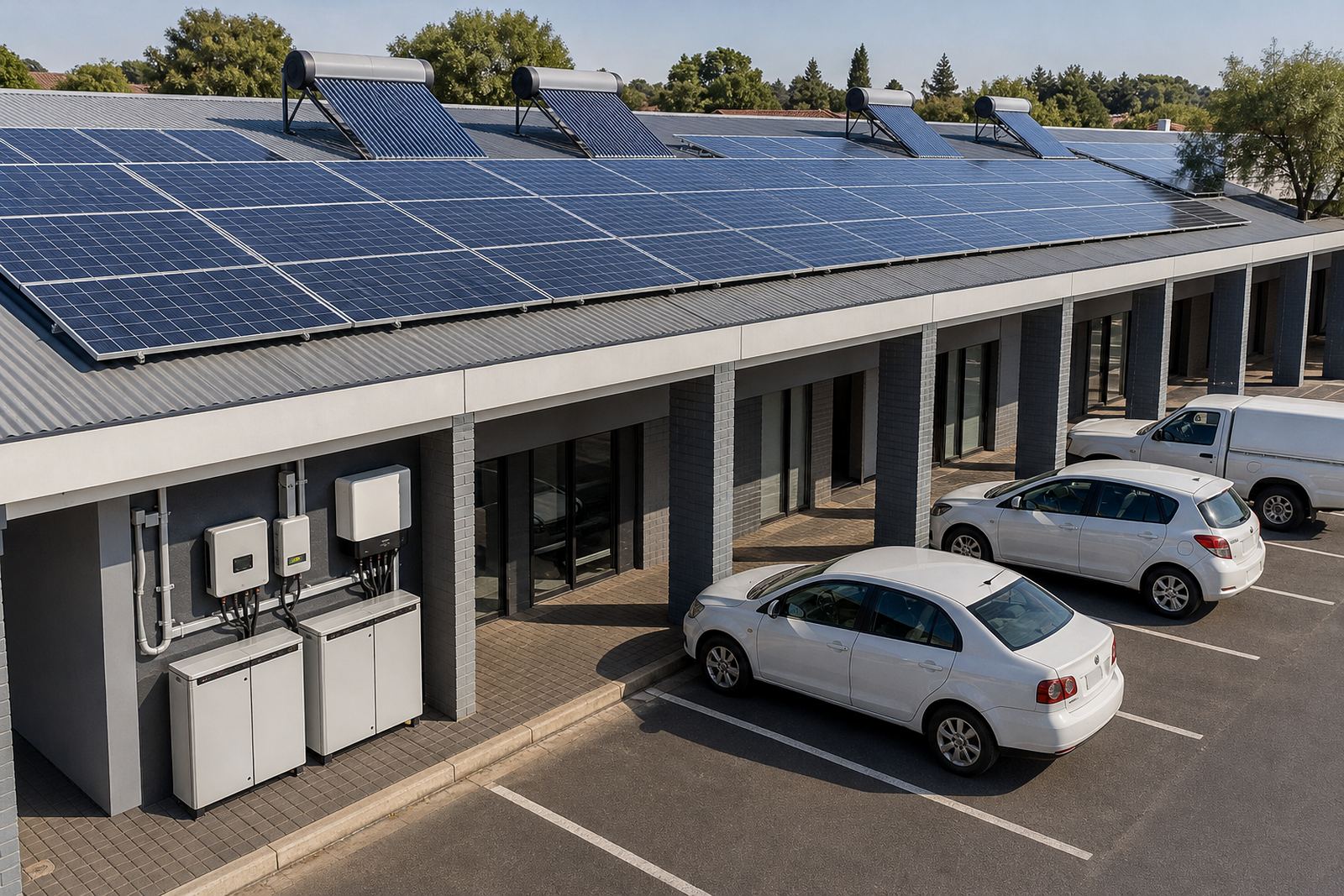
The system was built around solar panels, a battery bank and inverter equipment sized for the family’s essential day and evening loads. We supplied a panel array sized to suit the available roof area and the household’s expected daytime consumption, then paired it with battery storage to carry the home through evening use and short outages.
The exact mix was chosen to suit the property rather than forcing a one-size-fits-all setup. The family did not want oversized equipment sitting idle, and they also did not want a system that would struggle when the weather turned cloudy. We balanced generation, storage and practical usage, which is usually the best approach for a home like this.
- Solar panels sized for the available roof space and daily demand
- Inverter equipment selected for stable changeover and load management
- Battery storage for evening use and backup during outages
- DC and AC protection equipment included as part of the installation
- Labels, isolators and safe access points fitted for ongoing use
Installation work completed over two weeks
The project ran over two weeks from final approval to commissioning. The first stage covered mounting, panel placement and cable runs, followed by inverter and battery positioning indoors. Once the equipment was fixed in place, the qualified electrical team completed the integration into the home’s existing supply and tested the protection equipment.
On this kind of project, the details matter. We checked polarity, insulation, earthing and changeover behaviour before bringing the system online. The family was present for part of the handover so we could explain the controls, the basic monitoring routine and what to expect during load-shedding or a cloudy spell. It is a lot easier when the homeowner knows what the system is doing and why.
We also made sure the installation was tidy, with neat cable management and clear identification at the board. That makes fault finding simpler later, and it helps when a municipal inspector or electrician needs to see how the system has been connected.
Results the household could feel immediately
Once commissioned, the family had a working solar and battery system that took pressure off the grid and kept the most important parts of the home powered during interruptions. The real benefit was not only backup power but also the ability to use solar generation in the day and store energy for later. For a family house, that brings a better routine and less worry when the lights go out.
Because the setup was designed around the household’s actual usage, it behaved in a practical way. The system gave dependable support for the items the family had asked to keep running, and the battery capacity was sized to make a meaningful difference in the evening. They also had a cleaner electrical layout than before, which helps with maintenance and future upgrades.
In Centurion, a home like this needs a system that can handle summer heat, dust and the occasional storm, while still being simple enough for everyday family life. That was the goal here, and the finished installation met it without fuss.
Lessons We’d Apply On A Similar Project
If we were doing this project again on another family home in Pretoria or Centurion, we would follow the same process: start with the usage pattern, size the equipment properly, and keep the installation neat and serviceable. That approach saves time later and helps avoid the common mistake of fitting equipment that does not match the household’s needs.
We would also keep the focus on safe electrical integration. Solar is only useful when the installation is done properly, and that means qualified installers for the electrical work, correct protection devices and clear commissioning at the end. A home system must be reliable on ordinary Tuesdays, not only on sunny days.
- Begin with a proper site assessment and load review
- Match panel and battery sizing to the home’s actual needs
- Keep cable runs short, neat and easy to inspect
- Explain operation clearly during handover
- Plan for future expansion where the roof and board allow it
For homeowners in Centurion, Johannesburg, Midrand and across Gauteng, that same process usually gives the best outcome. It keeps the installation practical, makes maintenance easier, and helps the family understand exactly how the system supports the home.
Key facts
| Project type | Residential solar panel and battery installation |
|---|---|
| Town | Centurion, Pretoria |
| Timeline | 2 weeks from approval to commissioning |
| Main equipment | Solar panels, inverter equipment and battery storage |
| Electrical work | Completed by qualified installers |
| Scope | Site assessments, installation, integration and handover |