What System Commissioning Covers On Site
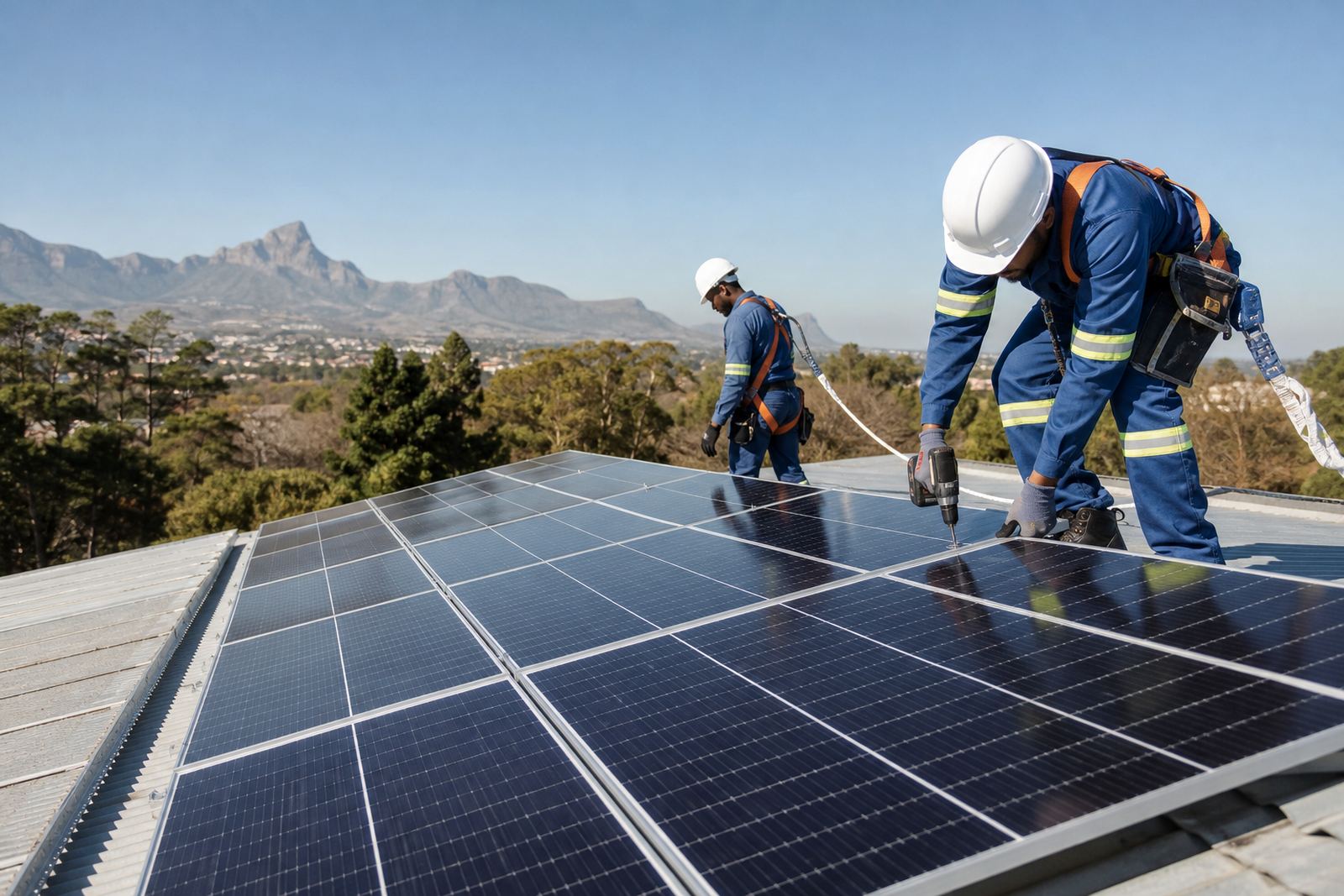
System commissioning is the last technical stage before a solar system is handed over. It is the point where the installed equipment is checked as a complete working system, not just as separate parts. We verify that the solar panels, inverter, batteries where fitted, solar water heater controls and electrical connections all work together as intended.
This service is useful for homes, shops, offices, guest houses and light commercial sites in Pretoria, Centurion, Johannesburg, Midrand, Durban, Cape Town, Bloemfontein and other areas across South Africa. It is especially important where load-shedding, voltage swings or coastal humidity can affect settings and performance.
- Final start-up checks after installation
- Verification of polarity, earthing and cable terminations
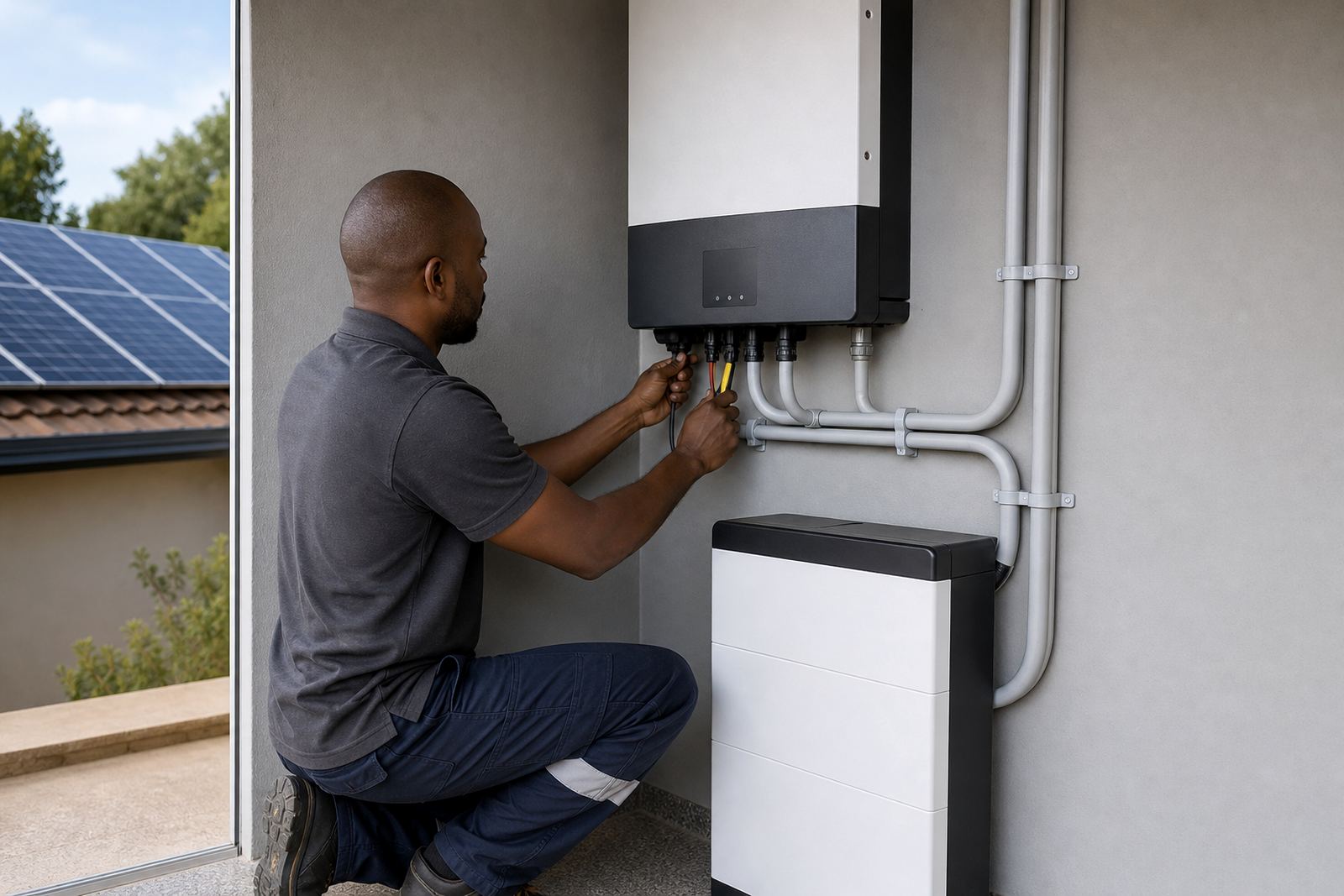
- Inverter settings, battery settings and monitoring setup
- Water heater controller checks and temperature control checks
- Performance test under normal operating conditions
Our Commissioning Process For Inverters, Batteries And Final Handover
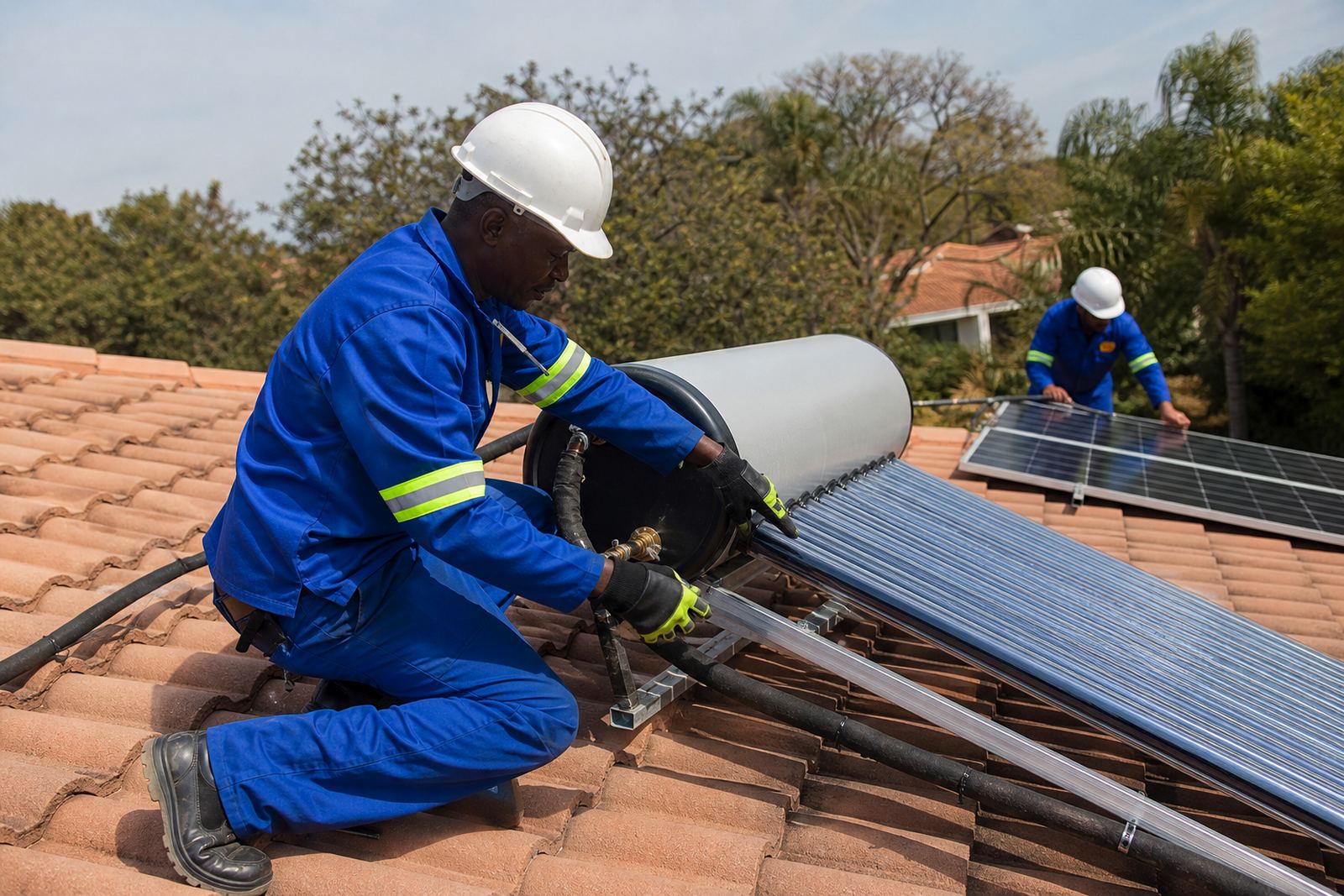
We follow a step-by-step process so nothing is left to chance. The installer confirms that the system is physically complete, then energises each section in the correct order. Where a battery bank is installed, charge and discharge behaviour is checked. Where a solar water heating system is included, circulation, temperature readings and controller response are confirmed.
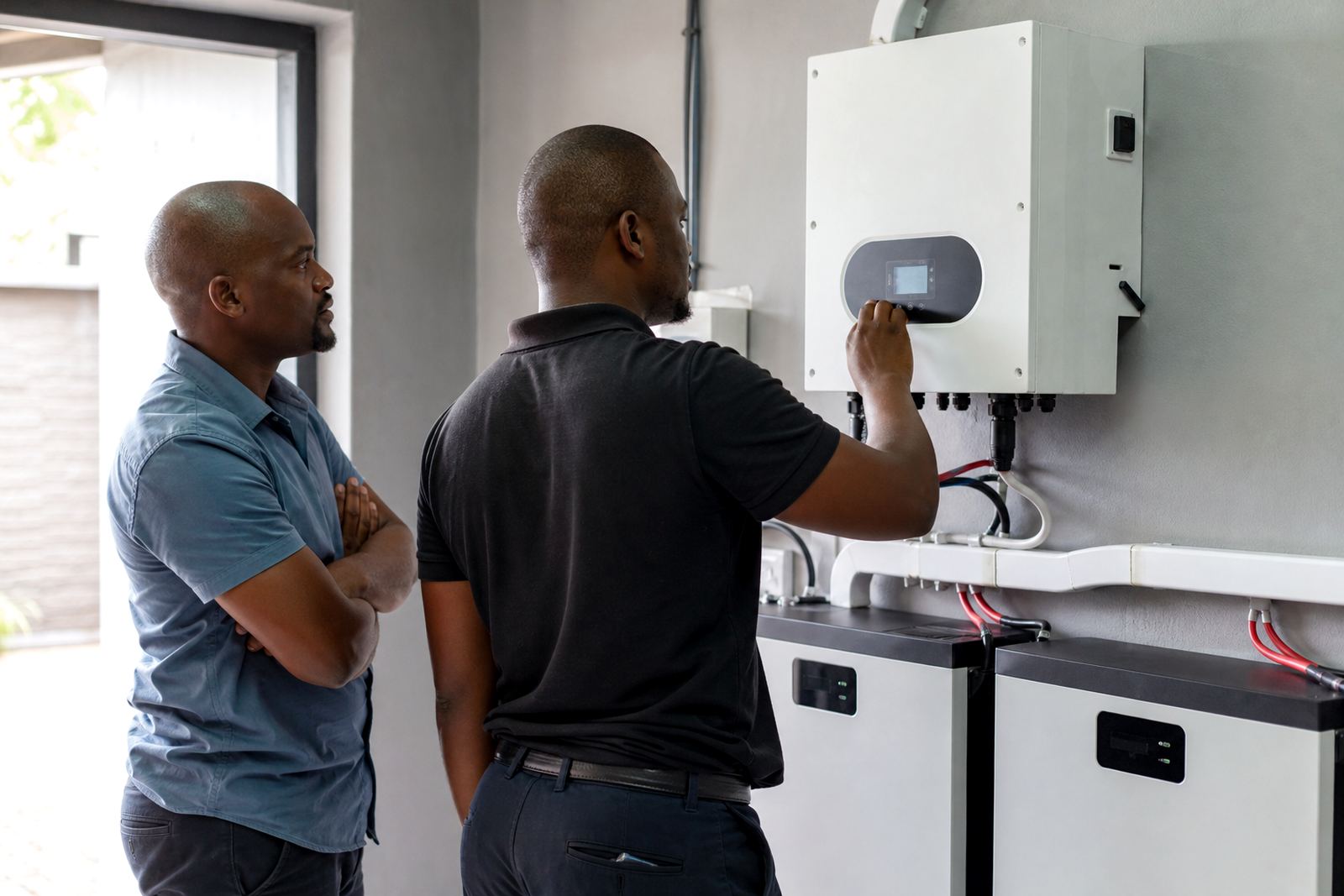
The handover includes a practical walk-through of the system layout, shutdown steps and the daily readings that matter. We also explain what the owner should watch for in the first few days after switch-on, such as alert lights, unusual noises or a breaker that trips. Qualified installers handle the electrical work and final integration, which is essential for safety and compliance with municipal and site requirements.
- Visual inspection of all equipment and mounting points
- Electrical isolation and safe re-energising sequence
- Function test of inverter, protection devices and outputs
- Battery and backup load verification where applicable
- Owner handover with operating notes and follow-up guidance
Typical Turnaround And What Affects The Schedule
Most commissioning jobs are completed on the day the installation is finished, provided the site is ready and all connections have been tested beforehand. Simple residential systems can often be commissioned within a few hours. Larger small-business sites, or systems with more than one inverter, battery bank or water heating circuit, may take longer because each section must be tested in sequence.
Turnaround can also be affected by weather, roof access, site power conditions and whether the municipality or building manager requires a final sign-off before operation. In Pretoria and other inland areas, heat and dust can change how equipment behaves on the day. On the coast, humidity and salt air mean we pay extra attention to terminations, seals and corrosion points.
Pricing Approach For Commissioning Work
We price commissioning according to the size and complexity of the system, the number of circuits involved and whether the work is part of a new installation or a follow-up visit. A small home system with one inverter and a modest battery setup is simpler to commission than a mixed site with panels, batteries and a solar water heater on the same property.
We do not publish fixed savings figures or blanket estimates because every site is different. Instead, we quote after reviewing the installation scope, equipment count and access conditions. If fault finding is needed before commissioning can be completed, we separate that work clearly so the customer knows what is included. That way the pricing stays fair and easy to understand.
What We Check During Final Testing
Final testing is the part that gives the owner confidence that the system will do what it should from day one. We test actual readings rather than just relying on indicator lights. If a system includes monitoring, we check that the display matches the operating condition on site. For solar water heating, we confirm that the controller responds properly to temperature changes and pump activity where fitted.
- Panel string voltage and current under working conditions
- Inverter input, output and changeover response
- Battery state of charge, charging path and backup operation
- Water heater controller readings and temperature control
- Earthing, breakers, isolators and protection devices
- Basic performance checks for daytime and backup use
Maintenance Intervals After Commissioning
After commissioning, we recommend a light maintenance check every 6 to 12 months for most domestic systems, and more often for small businesses that use the system hard each day. In dusty Pretoria suburbs or busy roadside sites, panel cleaning may be needed more regularly. Coastal properties in Durban or Cape Town should also keep an eye on salt build-up and cable fittings.
Where batteries are installed, we suggest a seasonal review of settings and backup behaviour. Solar water heaters should also be checked after periods of heavy use, storm damage or long holidays when the system has been idle. If a fault appears, early support callouts help prevent small issues turning into expensive repairs.
- 6 to 12 month service check for most homes
- More frequent checks for high-use small businesses
- Panel cleaning as required by dust, pollen or salt air
- Battery and inverter review after load-shedding events
- Water heater inspection before winter and after storms
Key facts
| Service type | Final startup checks, performance verification and handover |
|---|---|
| Typical scope | Solar panels, inverters, batteries and solar water heaters |
| Turnaround | Same day for most finished installations, subject to site readiness |
| Area covered | Pretoria, Centurion, Johannesburg, Midrand, Durban, Cape Town, Bloemfontein and nearby Gauteng |
| Electrical work | Completed by qualified installers |
| Maintenance interval | Every 6 to 12 months, or more often for heavy use or coastal sites |