Solar Water Heater Installation for Homes and Small Businesses
We install solar water heaters for family homes, guesthouses, salons, wash bays, clinics and other light commercial properties that need dependable hot water through the day. Systems are sized to suit the number of people using hot water, the roof space available, water pressure, and how much hot water is needed early in the morning or after business hours.
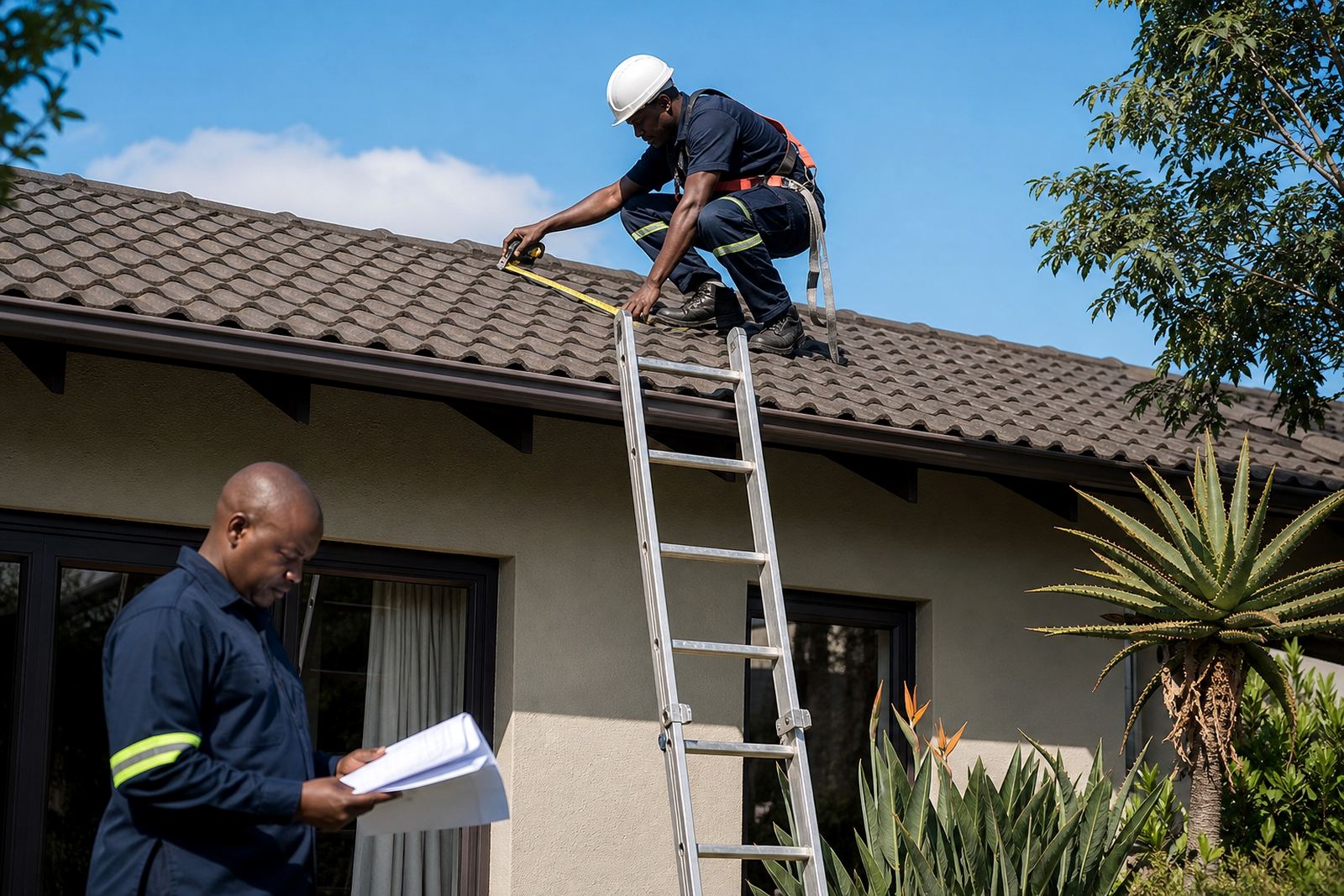
In Pretoria and Centurion, a well planned system helps handle long sunny periods and the colder winter mornings. In coastal areas like Durban and Cape Town, we also look at corrosion resistance, wind exposure and mounting strength. Every job starts with the practical basics: roof condition, pipe routes, tank location, geyser replacement or integration, and safe access for future maintenance.
What Is Included in the Installation
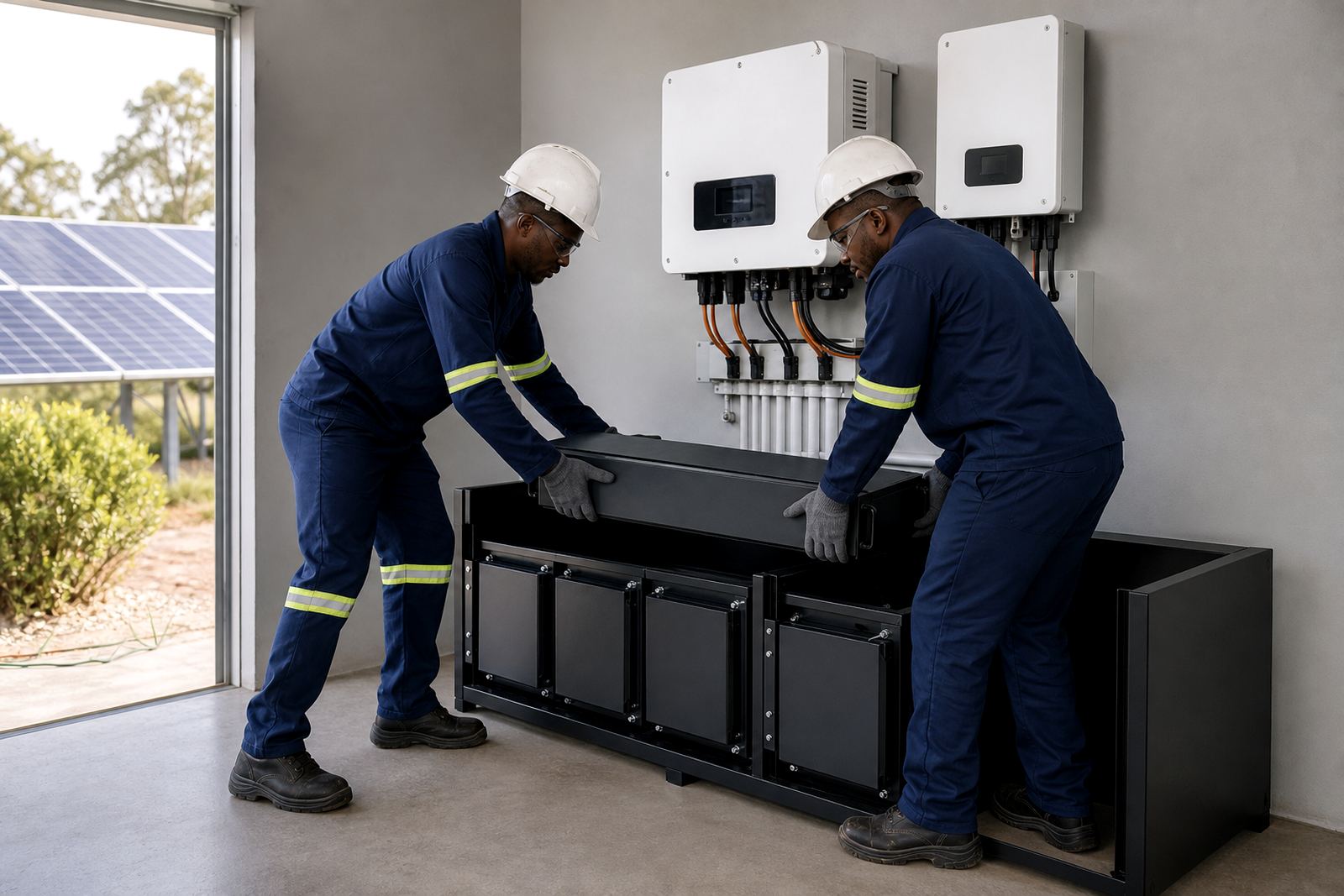
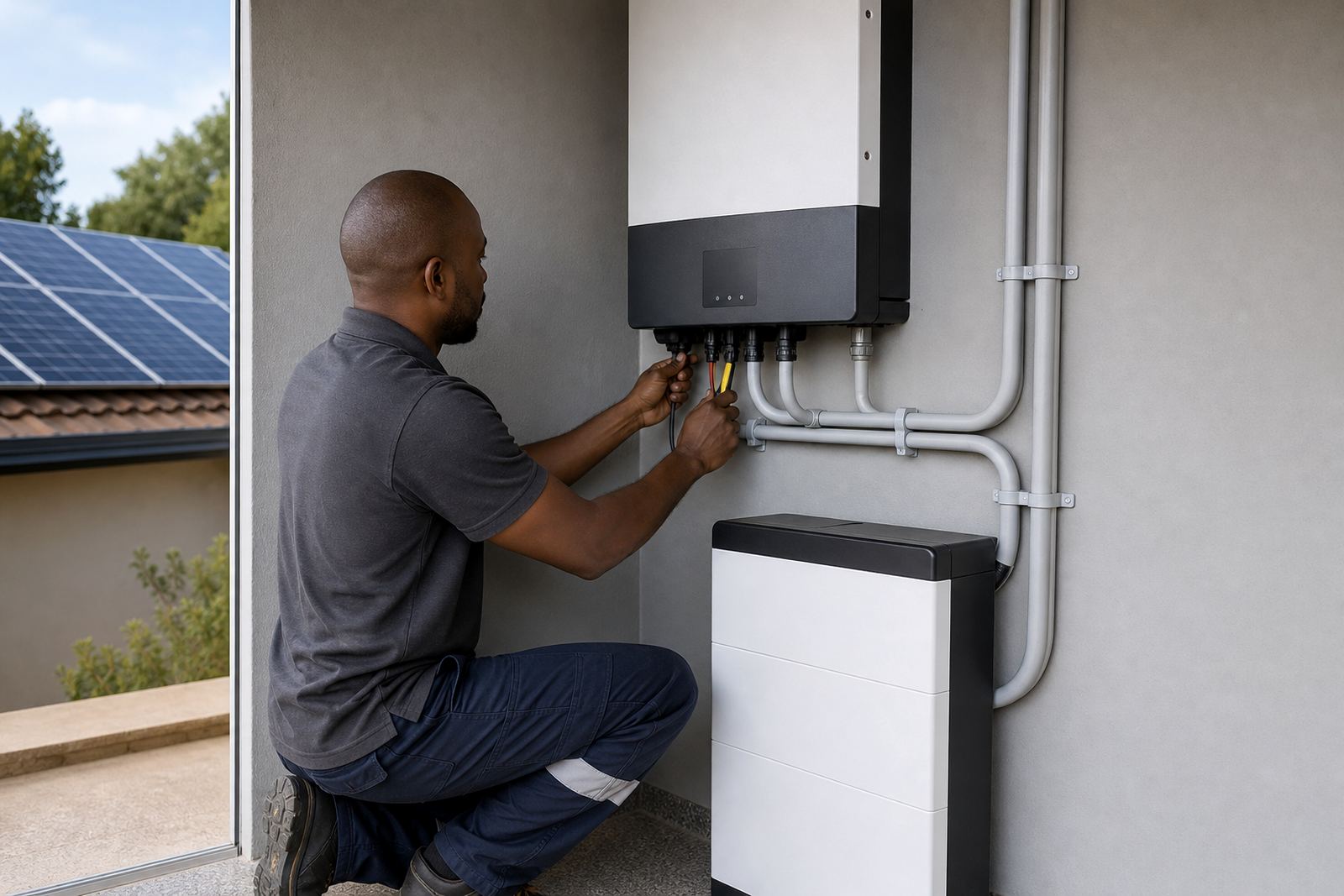
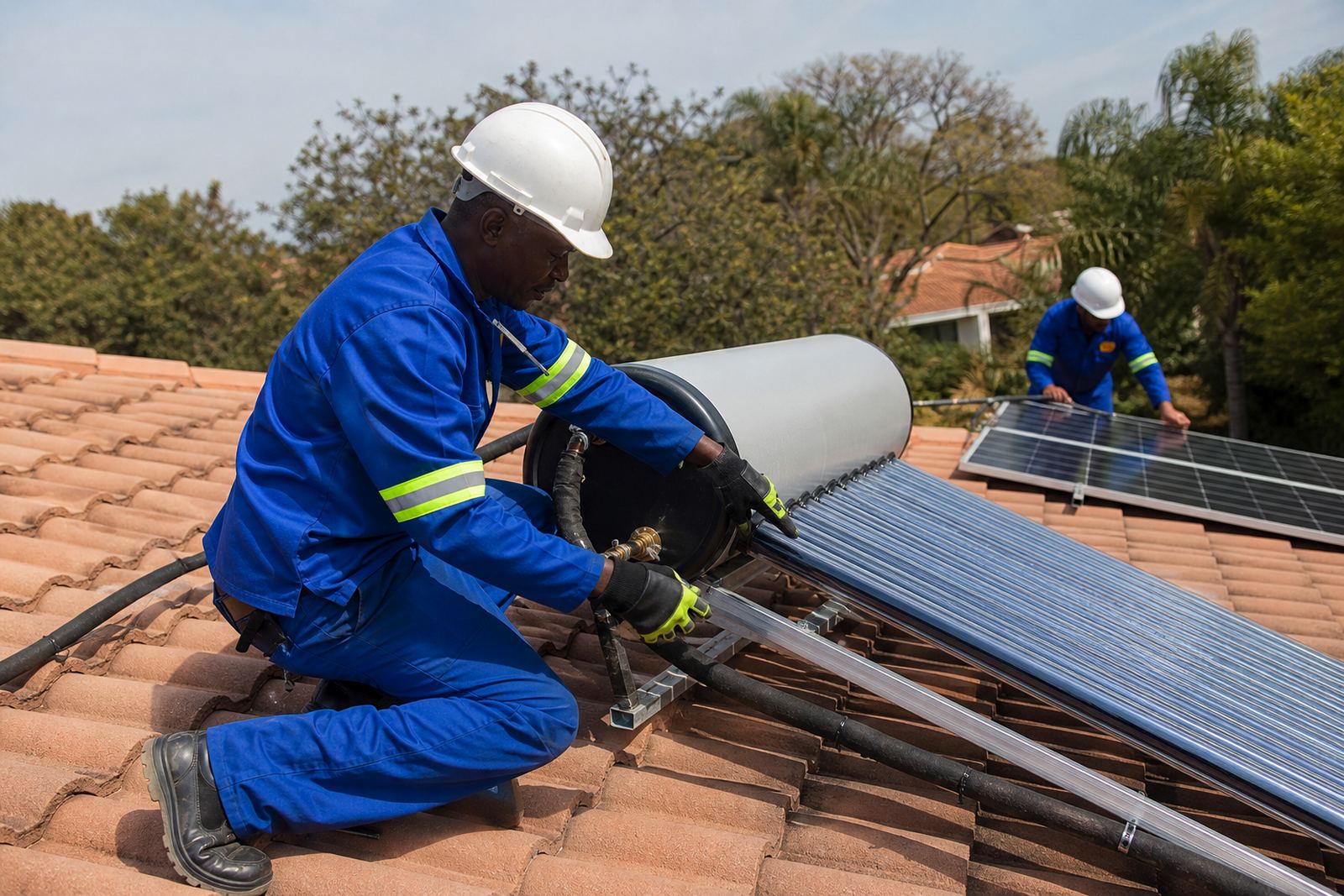
Our service covers the supply and installation of solar water heating equipment, plus the supporting work needed to get the system running properly. That includes collector or panel placement, tank mounting, pipework, insulation, valves, circulation components where needed, and the electrical side of the job done by qualified installers. If the existing geyser, isolator, earth leakage protection or control gear needs attention, we include that in the scope before commissioning.
We also check the hot water demand profile so the system is not undersized or overbuilt for the property. For homes, that usually means matching the unit to household size and roof layout. For businesses, we look at peak use times, number of outlets, and whether hot water is needed daily or only on certain days.
- Site assessment and system selection
- Pipe routing and insulation
- Tank, collector and support frame installation
- Electrical integration and safety checks
- Commissioning, pressure testing and handover
How the Work Is Done, Step by Step
We keep the process straightforward so the property owner knows what is happening at each stage. First, we inspect the site and confirm the best position for the tank and collectors. Next, we prepare the mounting points and check that the roof structure can carry the load safely. After that, our team installs the system, connects the plumbing, and completes the electrical work where required.
Once everything is in place, we test for leaks, verify circulation, check temperature performance and make sure the controls operate as expected. On the day of handover, we explain how to use the system, what to watch for during cold spells or heavy rain, and when to book a service. If the property already has solar panels or an inverter system, we can integrate the hot water setup with the rest of the energy arrangement where suitable.
Turnaround Times and Scheduling
Turnaround depends on roof access, the type of system chosen and whether any old equipment must be removed first. Smaller domestic installations can often move faster than larger light commercial jobs, while sites that need extra plumbing or electrical changes may take longer. We aim to schedule work clearly, keep the property informed, and minimise disruption to normal routines.
In Pretoria, Johannesburg and Midrand, we often work around household and business operating hours so the site is not blocked for longer than needed. For coastal and high wind areas, we may allow extra time for safe mounting and weather checks. If load-shedding affects the property, we plan the handover and testing around practical access to power and water supply.
Pricing Approach and What Affects the Cost
We price each job according to the system size, roof type, plumbing complexity, access, and whether the installation is a fresh fit or a replacement. A flat roof, a steep tile roof, long pipe runs or a difficult tank location can change the labour and material requirements. We do not guess at pricing, because solar water heating on one property can be very different from the next, even in the same suburb.
Our quotations are itemised so you can see what is included before work begins. That usually covers the equipment, labour, mounting materials, pipe fittings, insulation, electrical integration and commissioning. If the job needs repairs to existing plumbing or support structures, we will point that out before proceeding. The aim is to keep the price fair and the scope clear, with no surprise extras after the work is done.
- System size and storage capacity
- Roof access and mounting method
- Plumbing changes and pipe length
- Electrical integration requirements
- Removal of old equipment if needed
Maintenance Intervals and Long Term Care
Solar water heaters need regular attention to keep water hot and the system operating safely. We recommend a basic inspection at least once a year, with more frequent checks for properties near the coast, in areas with hard water, or on sites with heavy daily use. During service visits, we look at valves, seals, insulation, mounting points, pipe condition and general performance.
For homes, a yearly service is usually enough unless the system is under strain from scale build-up or roof exposure. For small businesses that use hot water every day, a six-monthly check can be worthwhile. If you notice slow heating, dripping valves, unusual pipe noise or a drop in hot water delivery, it is better to book fault finding early rather than letting the problem grow. Clean collector surfaces also help the system work as intended, especially after dust, pollen or winter debris.
- Annual inspection for most domestic systems
- Six-monthly checks for higher use sites
- Valve, seal and insulation inspection
- Collector cleaning and performance review
Key facts
| Supply area | Pretoria, Centurion, Johannesburg, Midrand, Durban, Cape Town and Bloemfontein |
|---|---|
| Service type | Supply and installation of solar water heaters |
| Typical use | Domestic and light commercial hot water |
| Electrical work | Handled by qualified installers |
| Base | Centurion, Pretoria |