What our fault finding service checks
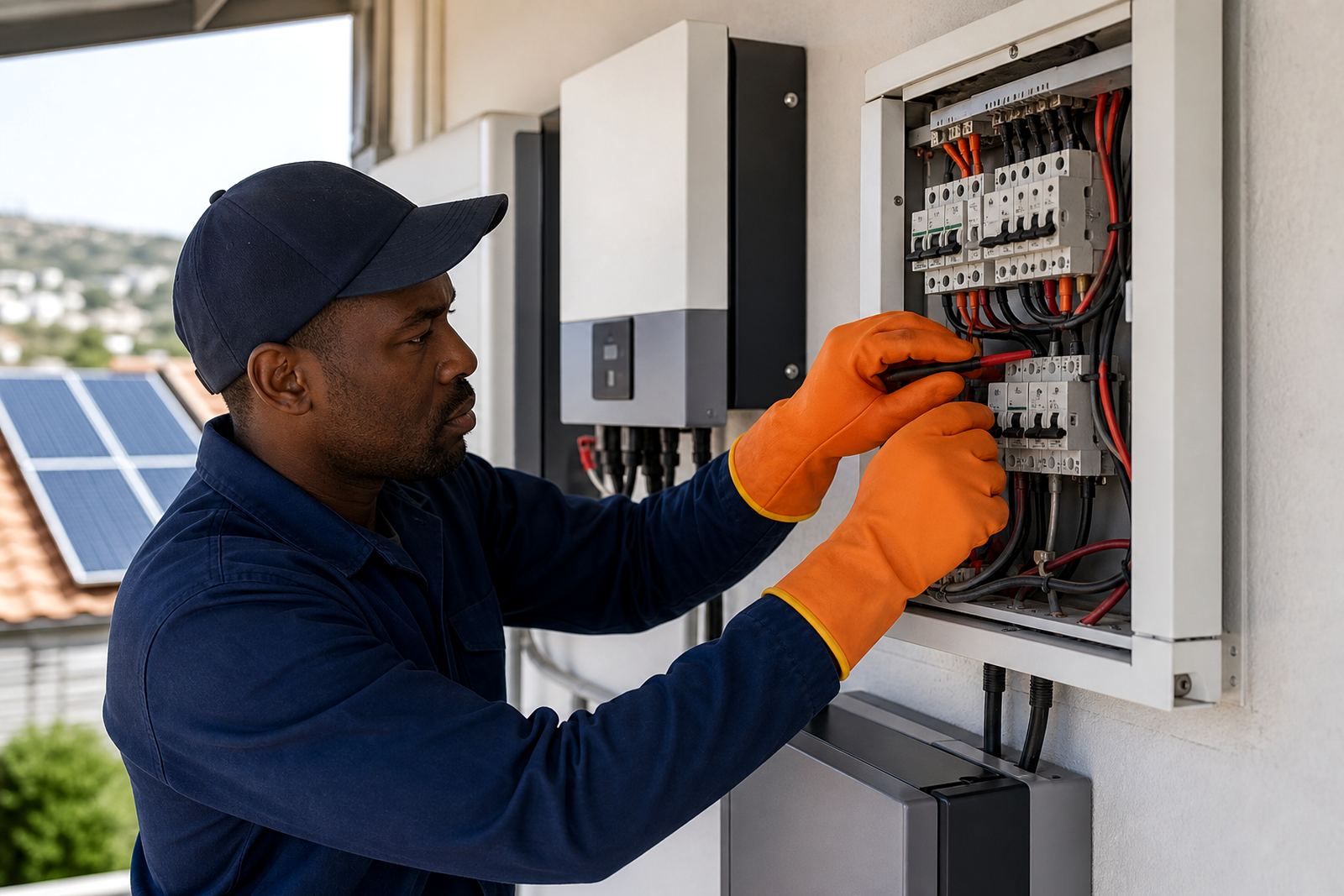
Fault finding starts with a proper diagnosis, not guesswork. We inspect the full solar setup from the roof to the distribution board, then test where the problem begins. That can be low panel output, inverter alarms, battery charging issues, tripped protection, loose connections, poor water circulation or thermostat and element faults on a solar water heating system.
In Pretoria and Centurion we often see issues linked to dust build-up, afternoon heat and cable runs that were never finished neatly. Along the coast, humidity and salt air can affect fittings and electrical terminations. We look for all of that, then identify whether the fix is a setting change, a repair, a parts replacement or a more detailed electrical upgrade.
- Panel output testing under real site conditions
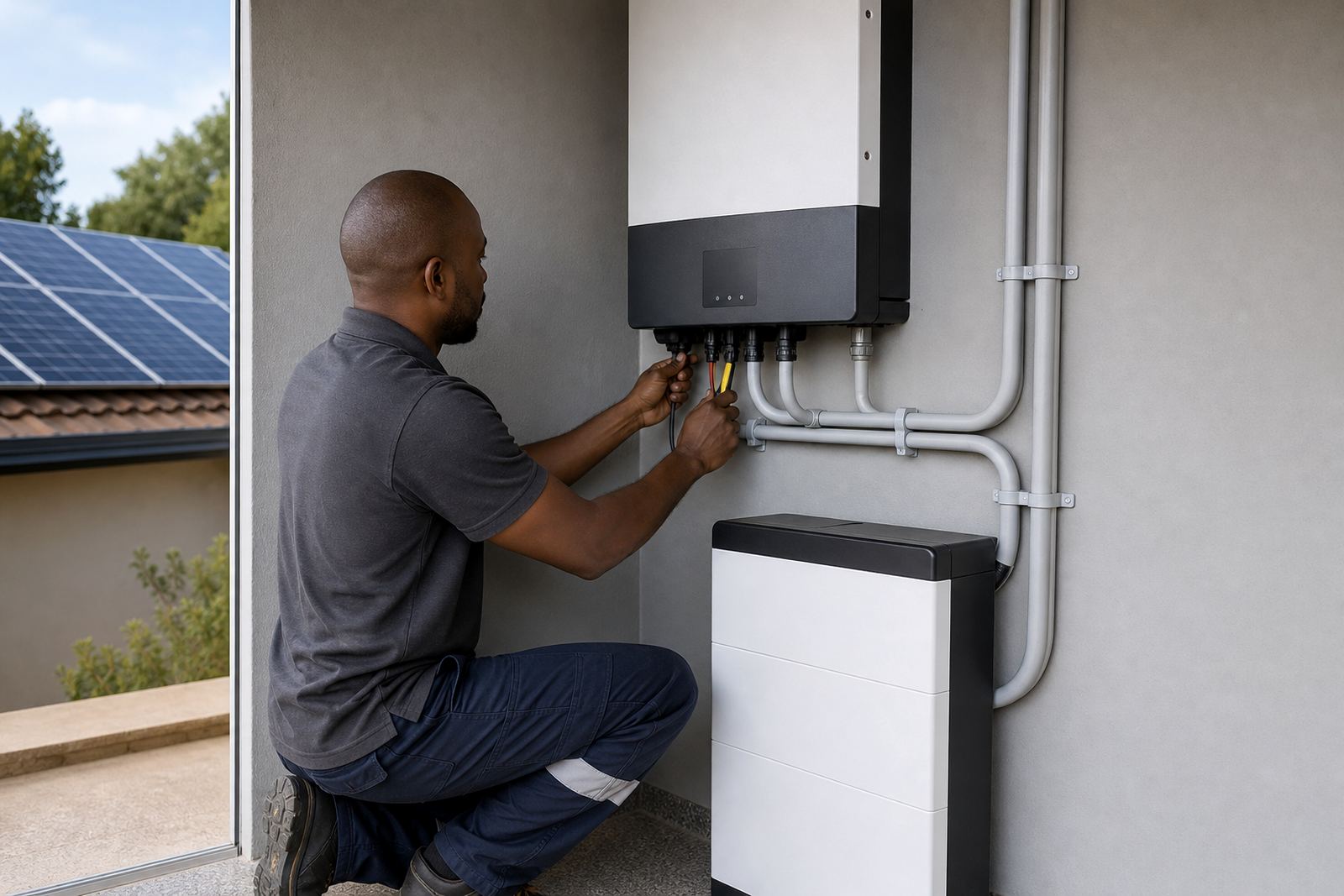
- Inverter status checks, alarms and fault code review
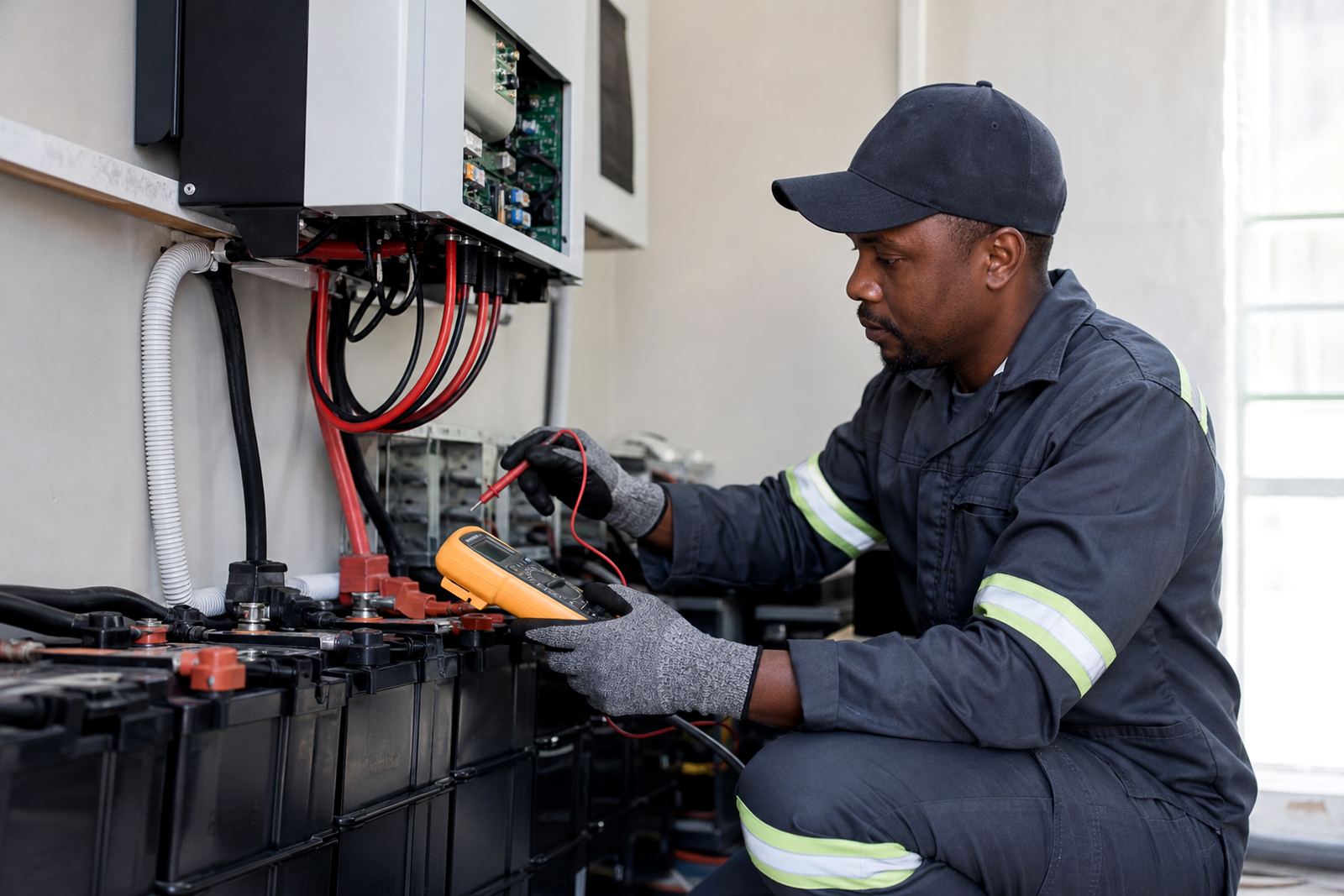
- Battery charge and discharge performance checks
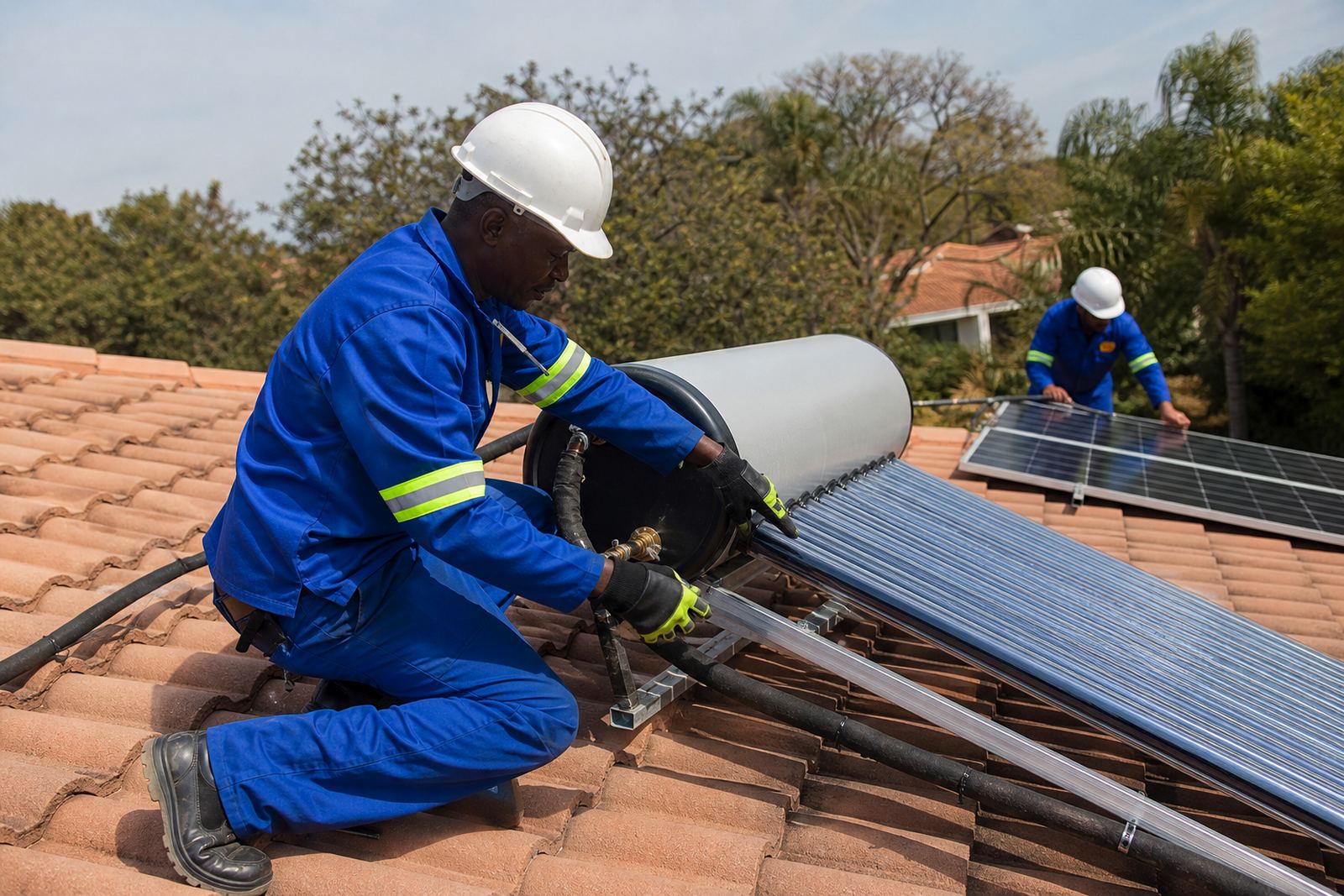
- Solar water heater circulation, pressure and heating checks
- Inspection of isolators, cabling, fuses and terminations
- Visual checks for shading, dirt, corrosion and heat damage
Common problems we are called out to solve
A system can look fine from the outside and still be underperforming. Some faults are caused by weather, load-shedding stress or ageing parts, while others come from poor installation or a change in how the property is being used. We work on homes, offices, small workshops and retail premises from Pretoria to Johannesburg, Durban, Cape Town and Bloemfontein.
Typical symptoms include batteries not holding charge, inverters switching off too early, hot water not reaching a usable temperature, or solar panels producing less than expected. If the issue is intermittent, we record what happens and when, so the fix is based on evidence and not assumptions.
- Low battery reserve during evening use
- Inverter tripping under normal household load
- Hot water that runs lukewarm or disappears too quickly
- Solar panels showing a drop in daytime output
- Frequent nuisance trips or warning lights
- Noisy pumps, airlocks or poor circulation in water heating systems
How the diagnosis process works
We start with your symptom report and a site assessment of the affected equipment. Then we isolate each part of the system and test it in order, which helps us avoid unnecessary replacements. Electrical work is handled by qualified installers, and all live testing is done with the right safety steps in place.
For electrical systems, we check wiring, protection devices, battery settings and inverter communication where relevant. For solar water heaters, we inspect geyser controls, sensors, pipes, valves and circulation. If access is needed on a roof or in a ceiling void, we plan the work properly so the job is done safely and the fault can be traced without damaging good components.
- Initial call to record the problem and operating pattern
- On-site inspection and live testing
- Fault isolation and component-by-component checks
- Repair recommendation with clear priorities
- Fix, retest and handover notes
Turnaround times and on-site response
Most fault finding visits can be arranged within a practical turnaround, depending on location and the urgency of the problem. Pretoria, Centurion and Johannesburg callouts are usually easier to schedule quickly, while longer routes to Durban, Cape Town and Bloemfontein may need more planning. If a system is down completely, we treat it as a priority where possible.
Once on site, the time needed depends on the size of the system and whether the fault is obvious or intermittent. A simple issue may be identified in under an hour, while more involved faults can take longer because we test during different load conditions. If parts are required, we explain that before proceeding so you know exactly what happens next.
For small business sites, we can also plan visits outside busy trading hours where this helps avoid disruption. That is useful for premises that cannot afford to lose refrigeration, security backup or hot water during the day.
Pricing approach for fault finding work
Pricing is based on the type of system, the travel involved, the amount of testing needed and whether the fault is electrical, mechanical or related to water heating components. We do not quote blindly over the phone for a problem that still needs diagnosis. The fair approach is to inspect first, then price the repair clearly once the fault is confirmed.
For straightforward issues, the cost is usually kept to a diagnosis visit and a simple repair charge. For complex systems, we provide a breakdown of labour, materials and any follow-up work before anything is changed. If the fix is straightforward, we keep it straightforward. If the issue is deeper, we explain why and what it means for the rest of the system.
- Diagnosis fee depends on system size and location
- Repair costs are confirmed after testing
- Replacement parts are quoted separately where needed
- Travel and access requirements are included upfront
Maintenance intervals that help prevent repeat faults
Regular maintenance helps reduce avoidable faults, especially on systems exposed to dust, heat, coastal moisture and heavy daily use. For many homes, a check every 6 to 12 months is sensible. Small businesses with higher consumption or older equipment may need more frequent inspections, especially after a harsh summer or a run of load-shedding.
We suggest periodic checks on panel condition, cable terminations, inverter status, battery health and water heating performance. Panels should also be cleaned when dust, pollen or bird mess starts affecting output. On solar water heating systems, look at circulation, pressure, insulation and visible corrosion. Catching a small issue early is usually cheaper than waiting for a full breakdown.
Where systems are under strain, we can also recommend a service plan that includes scheduled fault checks and callouts. That keeps the installation in better shape and gives you a clearer idea of what is wearing out before it fails.
Who handles the work and where we operate
Linuo Solar is based in Centurion, Pretoria and serves customers across Pretoria, Johannesburg, Midrand, Durban, Cape Town, Bloemfontein and the wider Gauteng area. Our team is led by Vuyo Phasha, with Naledi Kgosi overseeing operations, Sarel Delport handling senior installations, Palesa Mabena coordinating projects, Mothusi Mphahlele leading technical support, Faatimah Latief managing customer care and Unathi Tau specialising in solar water heating.
That mix matters when a fault needs more than one set of eyes. Some problems sit at the boundary between electrical integration and water heating, or between batteries and inverter settings. Having the right people involved means the diagnosis is practical, the repair is tidy and the system is tested properly before we leave.
To book a fault finding visit, clients contact us through the enquiry form on our contact page. We then match the job to the right team member and arrange the next available slot.
Key facts
| Service type | Fault finding and diagnosis for solar systems |
|---|---|
| Systems covered | Solar panels, inverters, batteries and solar water heaters |
| Typical site types | Homes, small businesses, offices, workshops and retail premises |
| Coverage areas | Pretoria, Centurion, Johannesburg, Midrand, Durban, Cape Town, Bloemfontein and Gauteng |
| Electrical work | Handled by qualified installers |
| Maintenance interval | Every 6 to 12 months, or sooner if output drops or faults repeat |