What Electrical Integration Covers On Site
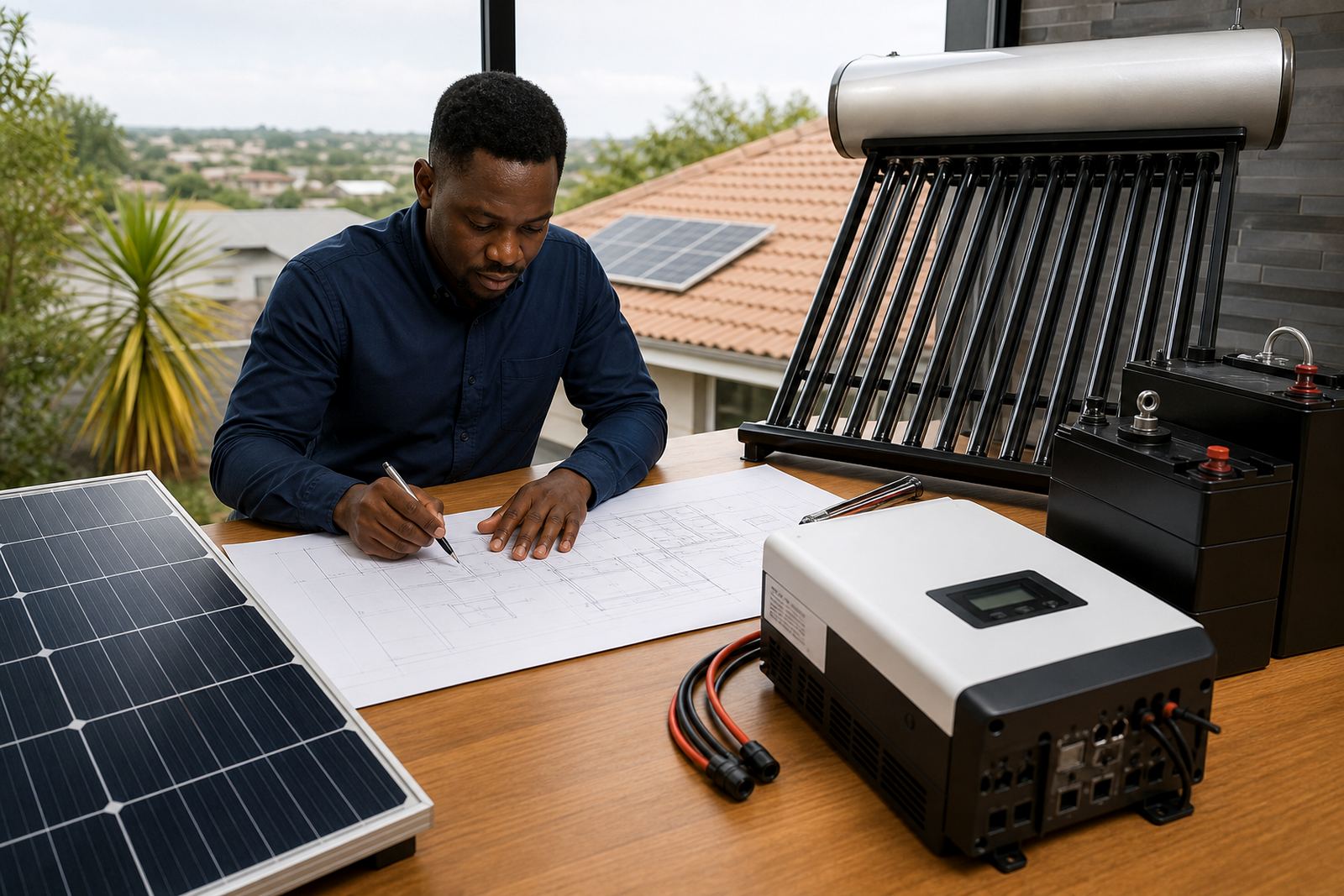
Electrical integration is the part of the job where each solar component is tied into your existing electrical supply in a safe, practical way. We work with homes, offices, shops and small workshops in Pretoria, Centurion, Johannesburg, Midrand, Durban, Cape Town and Bloemfontein, so the setup has to suit different roof types, distribution boards and load profiles.
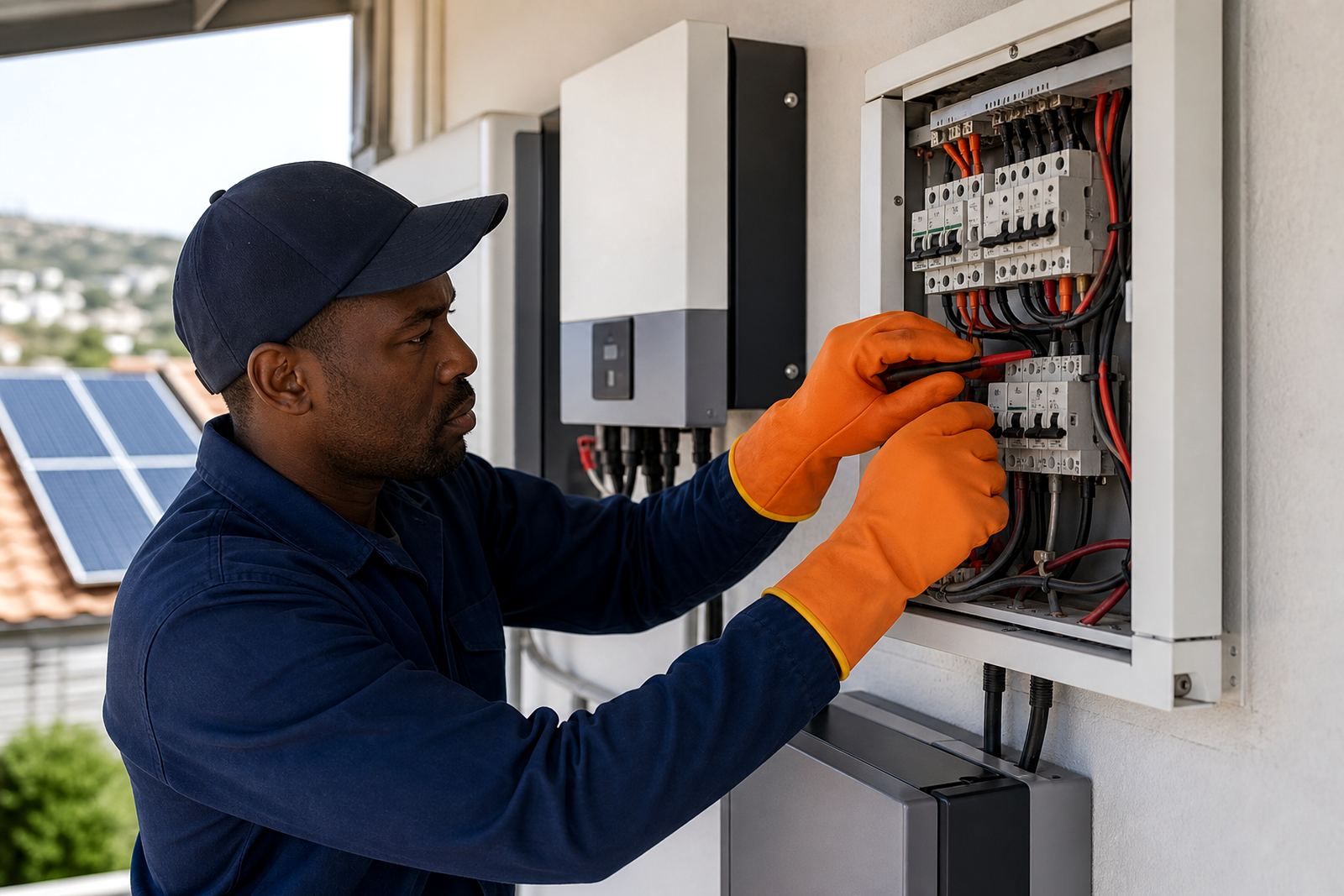
This service is not just about connecting wires. It includes checking the site supply, confirming the right cable routes, isolators, surge protection and changeover arrangement, then linking the solar equipment into the system so it can support daytime use, battery backup and hot water heating where required. Electrical work is done by qualified installers on site, and the final arrangement is tested before handover.
- Integration for solar panels, inverters, batteries and solar water heaters
- AC and DC side connections where required
- Protection devices, isolators and cable management
- Testing, labelling and functional checks before commissioning
How We Approach Safe System Tie-In
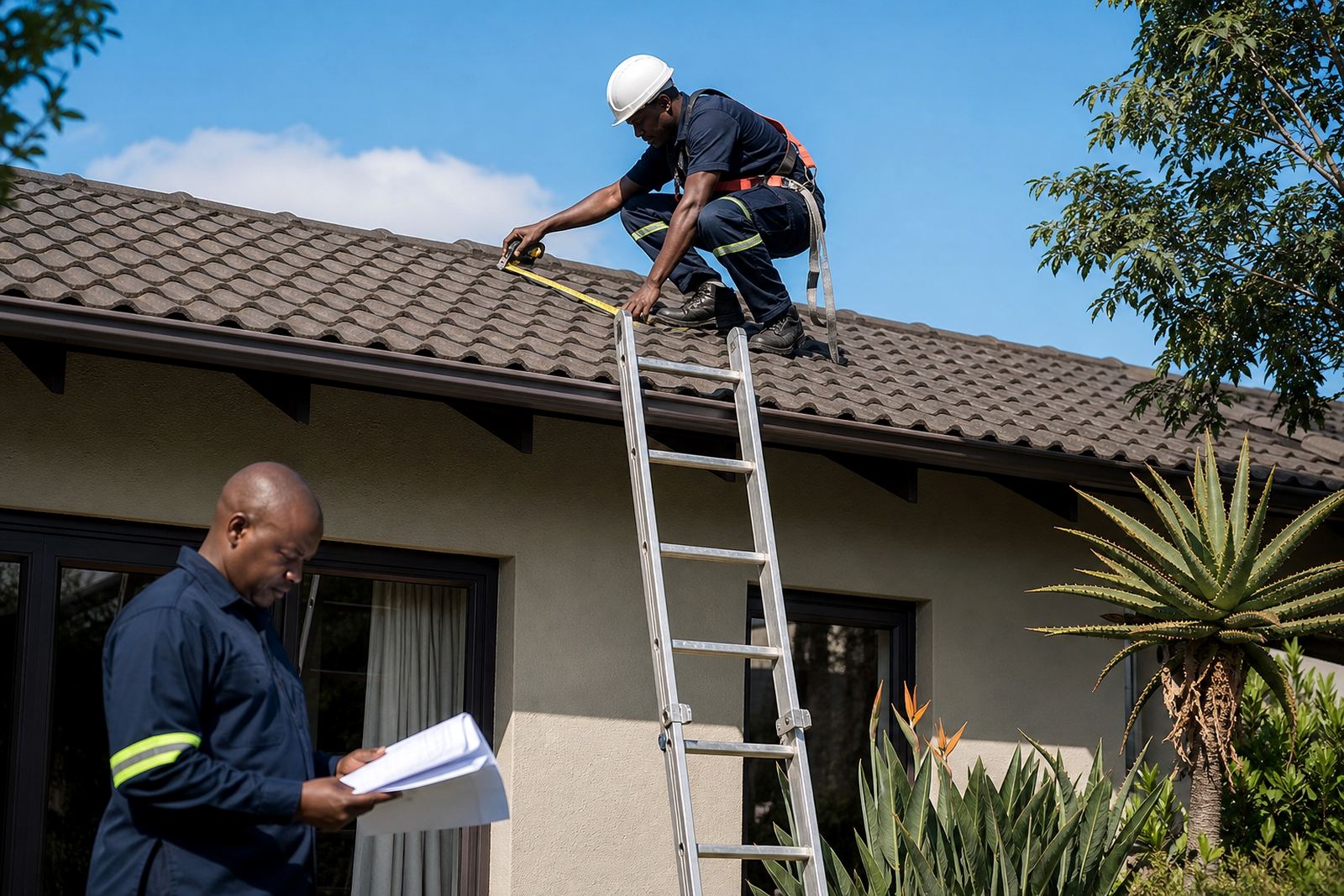
We start with the site assessment and system design so the electrical integration fits the building, not the other way round. Older homes in Pretoria or Centurion may have tighter distribution boards, while small businesses in Johannesburg often need load separation for fridges, lights and office equipment. Coastal properties in Durban or Cape Town can also need extra attention to corrosion and moisture around terminations.
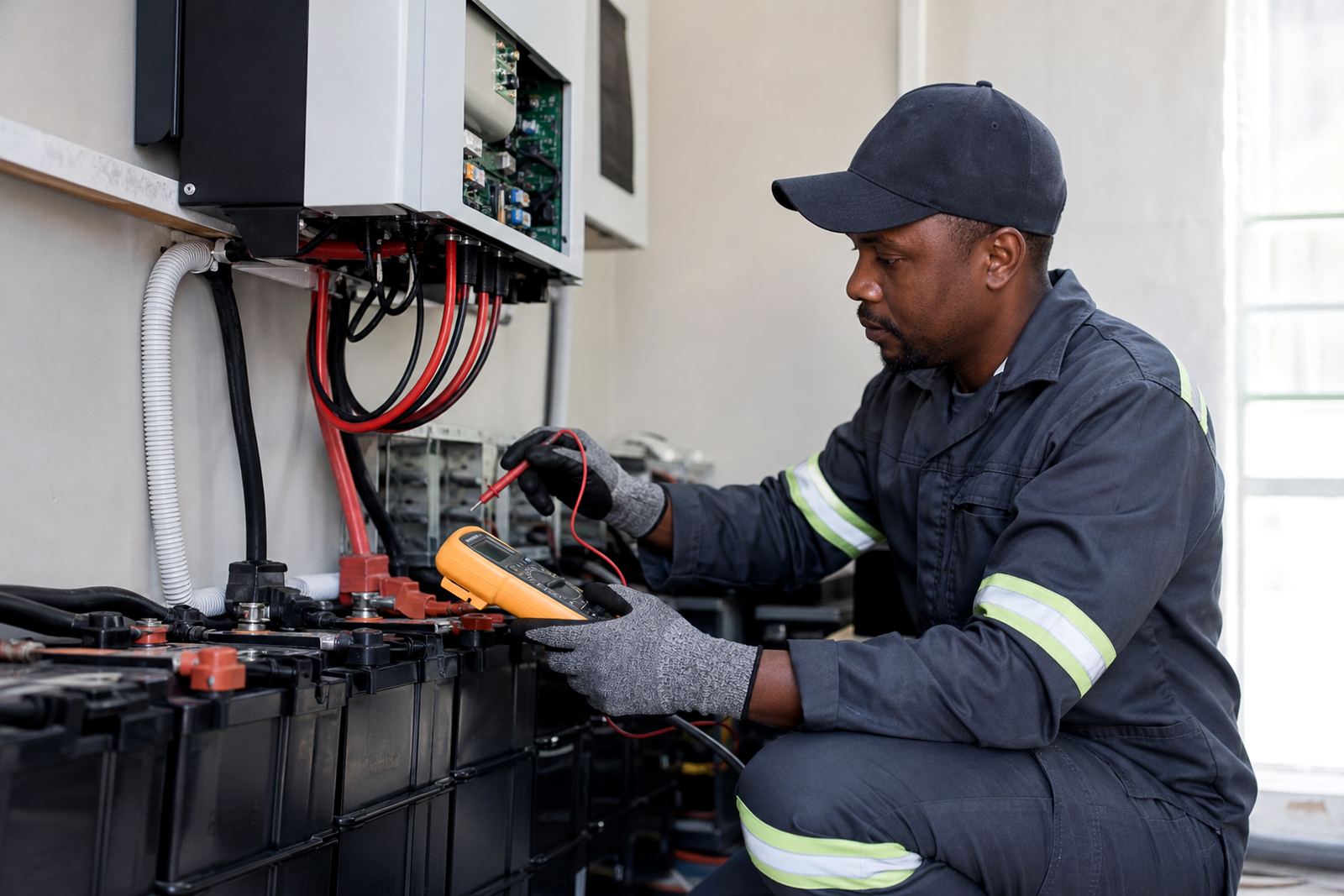
During installation, the team checks conductor sizing, breaker capacity, earthing, polarity and correct isolation points. Where a battery is included, the inverter and battery wiring is arranged to suit the equipment’s voltage and current requirements, with clear access for future maintenance. If a solar water heater is part of the project, the control and electrical connection are set up so the system works properly alongside existing geysers or timers.
- Review of existing supply and main board layout
- Selection of suitable cable size and protection devices
- Integration of solar controls with household or business circuits
- Earthing and safety checks before energising the system
Typical Process From Inspection to Commissioning
Our process is straightforward and keeps the job moving without confusion. Once you send an enquiry through the contact form, we schedule a site visit and confirm the best integration method for your property. That might be a grid-tied arrangement, a backup-focused setup, or a mixed system that includes hot water support.
After design approval, the team completes the electrical work, then tests the installation under real operating conditions. We check charging, switching, isolation and normal supply behaviour. If there are municipal or estate rules that affect cable runs, metre cupboards or access to the distribution board, we work around those requirements and keep the client informed. Small delays can happen on older properties if the existing board needs upgrading, but we keep the process practical and tidy.
- Initial enquiry and site assessment
- System design and integration plan
- On-site electrical installation
- Testing, commissioning and handover
Specifications We Work To On Each Job
Every property is different, but the integration must match the electrical load and the installed hardware. For small homes, that can mean a compact inverter setup with essential circuits only. For business premises, the job may involve more than one circuit, a larger battery bank and separate protection for office or refrigeration loads. We size the work around the actual equipment, not guesswork.
Common practical specifications include cable runs suited to the property layout, correct breaker ratings, labelled isolation points and weather-aware fittings where the equipment is exposed to heat or moisture. In Pretoria and Gauteng, dust and summer heat can affect rooftop and exterior terminations, so we check that enclosures and connections are properly secured. On coastal jobs in Durban or Cape Town, corrosion resistance matters even more and the installation should be inspected regularly.
- AC and DC integration for solar systems of varied sizes
- Proper isolators, breakers and surge protection where required
- Earthing and bonding checks for safety
- Clear labelling for future servicing and fault finding
Pricing That Fits the Scope of the Electrical Work
Pricing depends on what needs to be connected, how much existing electrical work is already in place, and whether the property needs board changes, extra isolators or longer cable runs. A simple battery and inverter connection in a newer home is usually less involved than a full business tie-in with several circuits and a hot water system. We quote based on the site conditions and the equipment involved, so the client knows what is included before work starts.
Because no two properties are identical, we do not use one flat figure for every job. The best way to price the work fairly is to inspect the site first, confirm the layout and identify any compliance issues or repairs that may be needed. That keeps the final installation safer and avoids surprises later, especially where older wiring or a crowded distribution board is involved.
- Quoted according to property size and system type
- Adjusted for cable length, board condition and access
- Clear scope for labour, materials and testing
- No guess pricing before a proper site check
Maintenance Intervals And Follow-Up Checks
Electrical integration should be checked from time to time, particularly after heavy use, a lightning event, building changes or repeated load-shedding cycles. For homes, a routine inspection every 12 months is sensible. For small businesses, especially where equipment runs daily, a 6 to 12 month check helps catch loose terminations, wear on isolators or dust build-up before it becomes a problem.
Our support callouts and maintenance visits can include fault finding, re-tightening of connections, inspection of labels and a review of how the system is performing against the property’s current load. If you add appliances, a pool pump or extra office equipment, the electrical integration may need to be adjusted so the system still operates safely and the circuits remain properly balanced.
- Annual checks for most homes
- 6 to 12 month checks for active business sites
- Post-storm and post-interruption inspections when needed
- Fault finding and corrective work available on request
Careful solar electrical work in Gauteng
Clients choose us because they want the electrical side handled carefully, not rushed. Vuyo Phasha leads the business from our Centurion base with a team that understands practical site work, from Pretoria homes to commercial spaces in Johannesburg, Durban, Cape Town and Bloemfontein. Naledi Kgosi oversees operations, Sarel Delport leads installation work, Palesa Mabena coordinates projects, Mothusi Mphahlele handles technical support, Faatimah Latief manages client communication and Unathi Tau specialises in solar water heating systems.
That mix means we can plan the work, install it properly and keep the handover clear. If your property needs solar electrical integration, we will assess the site, explain the options and carry out the installation with attention to safety, access and future maintenance. It’s a practical service for South African conditions, from summer heat to load-shedding and the odd municipal rule that must be worked around.
Key facts
| Service area | Pretoria, Centurion, Johannesburg, Midrand, Durban, Cape Town, Bloemfontein and Gauteng |
|---|---|
| Work type | On-site electrical integration for solar panels, inverters, batteries and solar water heaters |
| Installer requirement | Electrical work carried out by qualified installers |
| Typical turnaround | Varies by site size and board condition, often scheduled after assessment and design approval |
| Maintenance interval | 12 months for most homes, 6 to 12 months for active business sites |
| Pricing basis | Quoted according to site conditions, system size, cable runs and protection requirements |