What our system design service covers
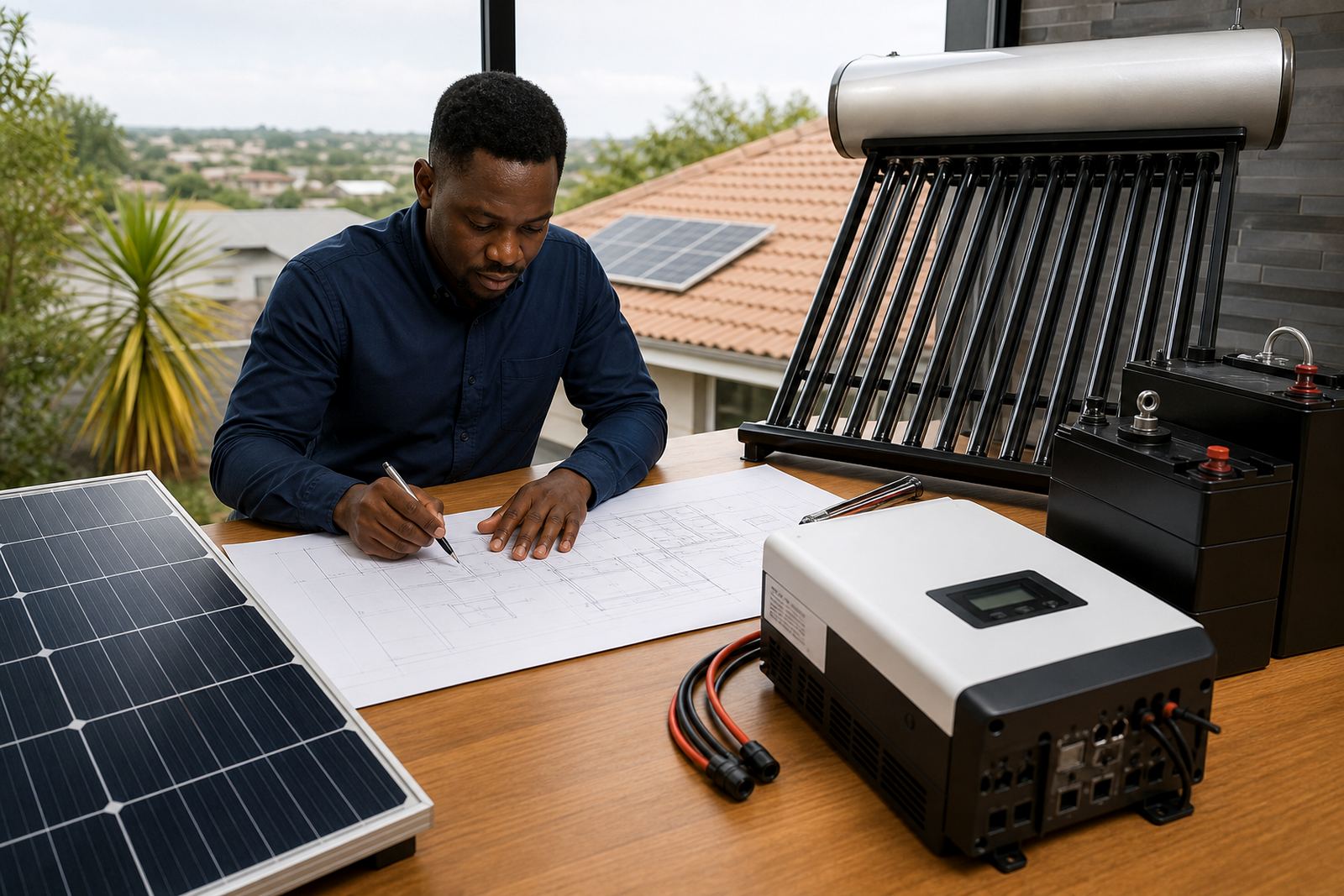
Our system design service is the planning stage that sits before installation, and it matters just as much as the equipment itself. We look at how the property is used, which appliances must keep running during load-shedding, how much roof or ground space is available, and whether the site is better suited to grid-tied, hybrid or off-grid operation. For homes in Pretoria or Centurion, that often means planning for geyser usage, fridge loads and security systems. For small businesses in Johannesburg, Durban or Cape Town, it can include point-of-sale equipment, computers, lighting and refrigeration.
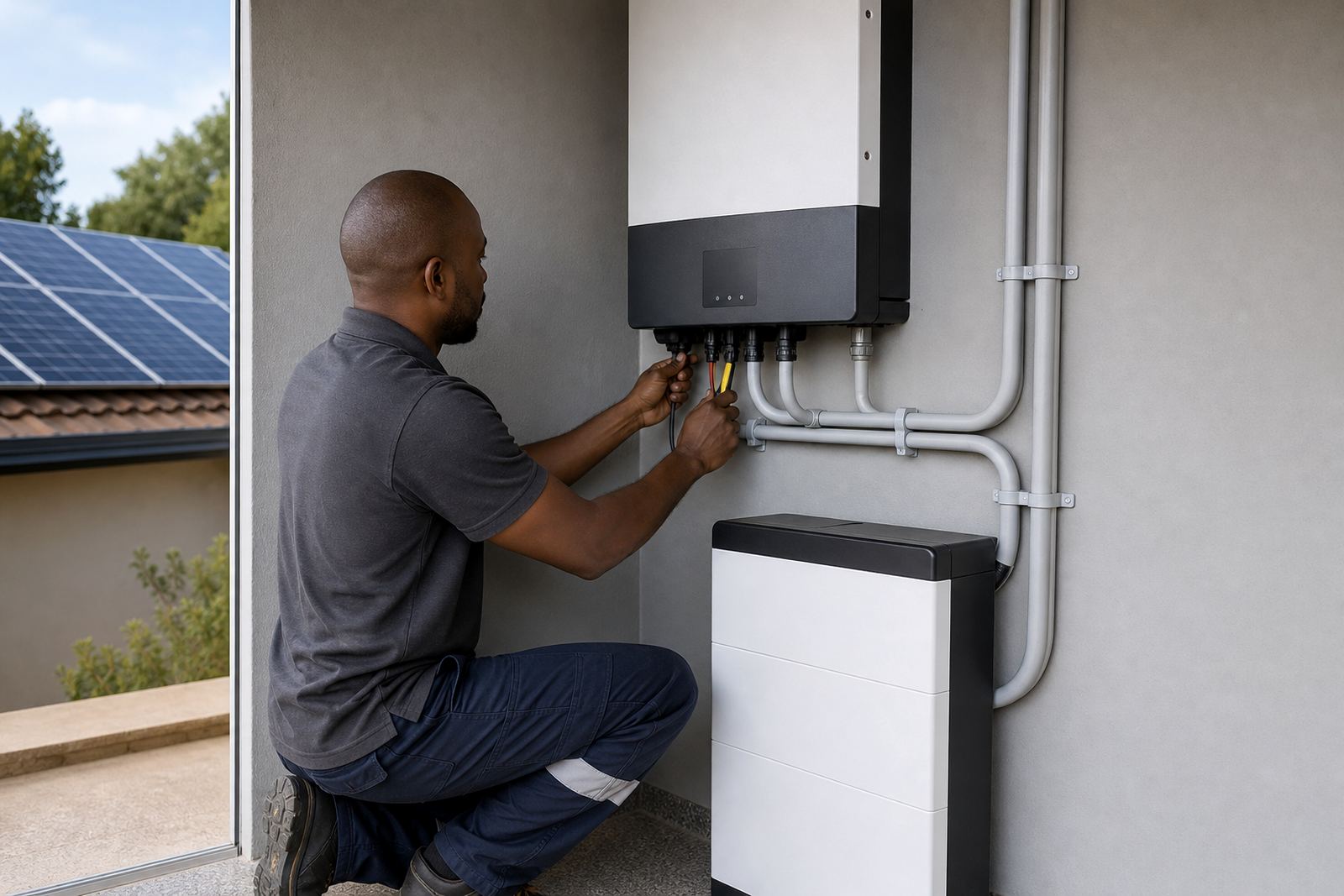
We design around practical details like roof direction, shading from nearby trees or neighbouring buildings, cable runs, inverter position and battery ventilation. Coastal humidity in Durban or Cape Town also changes the way certain components are planned and mounted, while inland sites may need stronger attention to heat build-up and dust. The result is a system plan that is easier to install, easier to maintain, and far less likely to be undersized or awkward to service later.
- Load review based on your actual daily use
- Space planning for panels, inverter and batteries
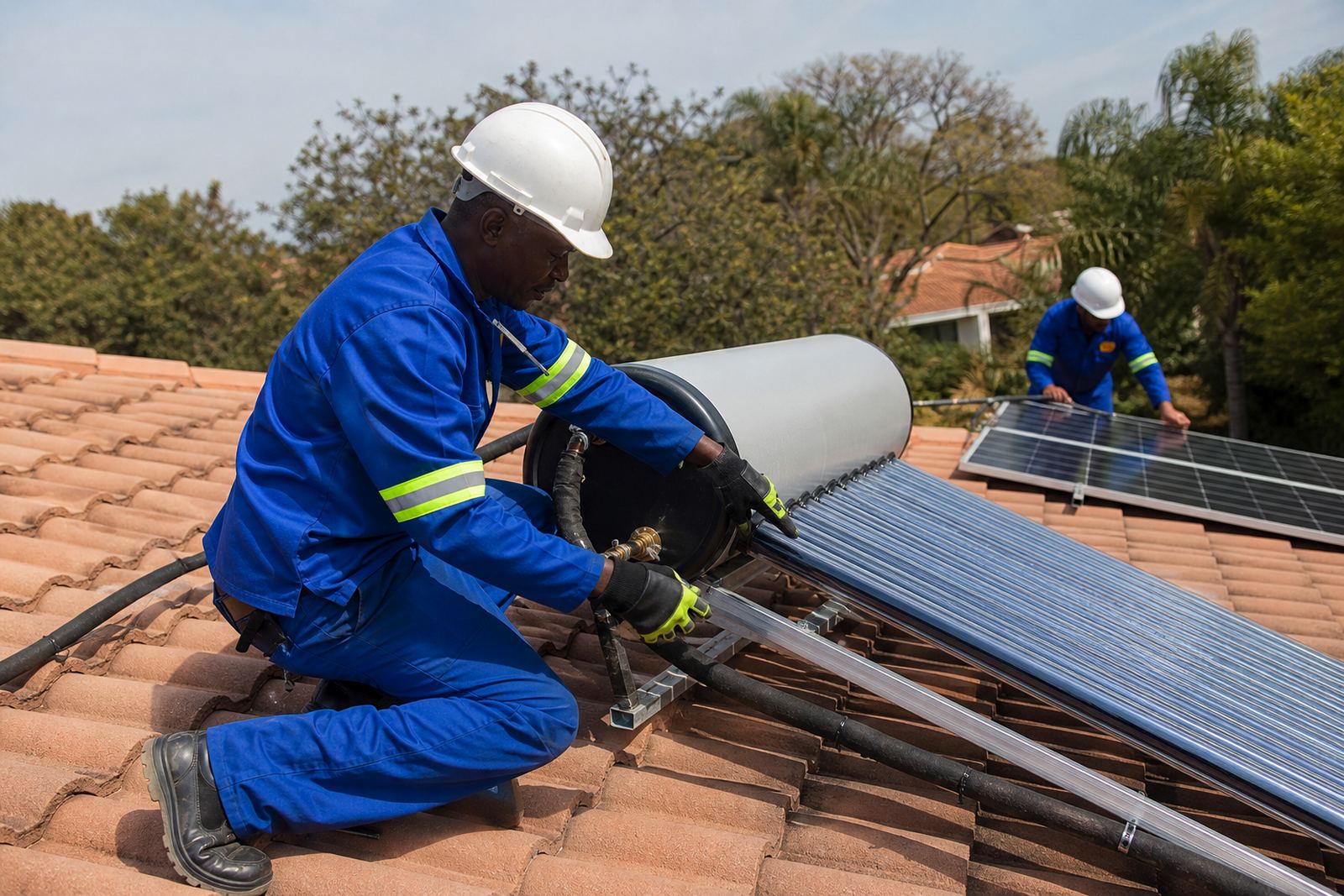
- Advice on solar water heating layouts
- Electrical integration planning by qualified installers
How we build the right specification
Every property needs a different mix of components. A small home may only need a modest panel array, a compact inverter and a single battery bank for evening backup. A business with higher daytime demand may need a larger array, stronger inverter capacity and more storage to keep critical loads stable through power cuts. We do not push a one-size-fits-all approach, because the difference between a neat, workable system and a frustrating one usually comes down to sizing.
We also account for the equipment that is already on site. Some properties have old distribution boards that need attention before solar can be connected, while others need better surge protection or clearer load separation. In many cases we recommend splitting essential and non-essential circuits so the system carries what matters most without being overloaded. That kind of planning saves time later and helps the electrical work go through in a cleaner, more organised way.
- Panel count matched to available sunlight and roof area
- Inverter capacity matched to peak and running loads
- Battery storage sized for backup duration goals
- Water heater design matched to household hot water demand
Our step-by-step design process
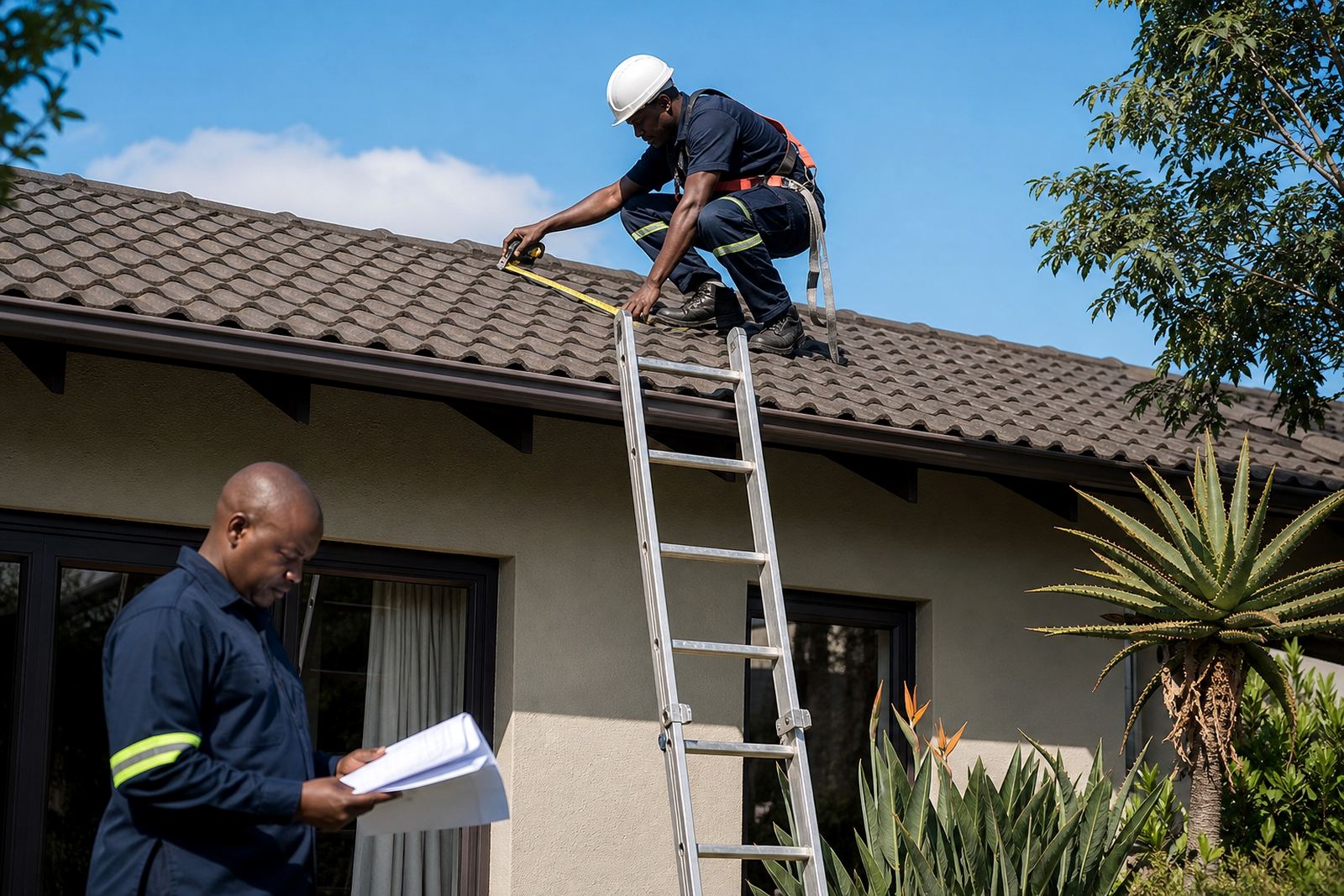
We keep the process straightforward. First, we gather your information through the enquiry form on our contact page and review your property type, town and energy needs. Then we carry out a site assessment where needed, either in Pretoria, Midrand, Johannesburg, Durban, Cape Town, Bloemfontein or surrounding areas, to check roof conditions, shading, cable routes and the best position for equipment. From there we prepare a design that aligns with the available installation space and the loads you want supported.
Once the proposal is ready, we go through the practical side with you: what will run during outages, what stays on grid power, where the inverter and batteries will sit, and what is needed for the solar water heater if that forms part of the job. Electrical work is done by qualified installers, and the final design takes that into account so the installation can move ahead cleanly. If anything on site changes, such as a roof repair or a new appliance, we adjust the plan before work starts.
- Initial enquiry and load discussion
- Site assessment and measurements
- System layout and equipment sizing
- Review of installation and electrical requirements
Turnaround times and what affects them
Turnaround depends on the size of the system and the condition of the property. A straightforward domestic design can often be completed quickly once the site information is in hand, while larger homes and small businesses may need more detailed load checks and layout planning. Where a roof has unusual angles, shading or limited mounting space, we take a little longer to make sure the design is practical and not rushed.
Supply timing can also affect the schedule. If the plan includes multiple panel strings, batteries, inverter upgrades or a solar water heating unit, we coordinate the design so the installation sequence makes sense. In busy periods across Gauteng and the coastal cities, we rather plan carefully than send out a drawing that needs rework. That approach keeps the job moving and reduces back-and-forth later on.
For many customers, a good design stage also helps avoid overbuying or under-sizing. That matters in South Africa where load-shedding, summer heat and changing power use can all affect how a system performs across the year.
Pricing approach and value planning
Our pricing is based on the scope of the design, the complexity of the site and the equipment mix being planned. A simple residential layout is priced differently from a business system that needs circuit separation, backup planning and more detailed electrical integration. We keep the approach practical and transparent, so you know what the design covers before installation starts.
We do not work from guesswork or vague allowances. If the property needs extra attention for mounting, cable routing, battery placement or hot water system planning, that is taken into account from the start. The aim is to give you a design that fits the site properly, so the installation cost is easier to understand and there are fewer surprises on the day. For clients in areas like Centurion, Pretoria East and Midrand, this kind of planning is especially useful where estate rules or roof restrictions can affect where equipment may go.
Keeping the design useful after installation
A well-planned solar system should stay easy to live with after it is switched on. We design for access, ventilation and maintenance so the equipment can be checked without fuss. Panel cleaning intervals depend on dust, pollen, bird activity and local conditions, but in many Gauteng areas a regular inspection schedule helps keep output steady. In coastal regions, salt air means mountings and cabling should be checked a bit more often.
We also recommend periodic reviews of battery condition, inverter settings and hot water system performance, especially after seasonal changes or household changes in demand. If your electricity use increases because of new appliances or a growing business, the original design can often be adjusted rather than replaced. Our support callouts, fault finding and maintenance services are there to keep the system aligned with how you actually use the property.
- Panel cleaning as needed for dust or coastal build-up
- Battery and inverter checks at regular service intervals
- Review after load changes or added appliances
- Support for homes and small businesses across South Africa
Key facts
| Design scope | Solar panels, inverters, batteries and solar water heaters |
|---|---|
| Property types | Homes, small businesses and mixed-use sites |
| Areas covered | Pretoria, Johannesburg, Durban, Cape Town, Bloemfontein and Gauteng |
| Site inputs used | Load profile, roof space, shading, cable routes and installation constraints |
| Electrical work | Completed by qualified installers |
| Maintenance guidance | Panel cleaning, battery checks and system reviews at practical intervals |