What the Garsfontein household needed
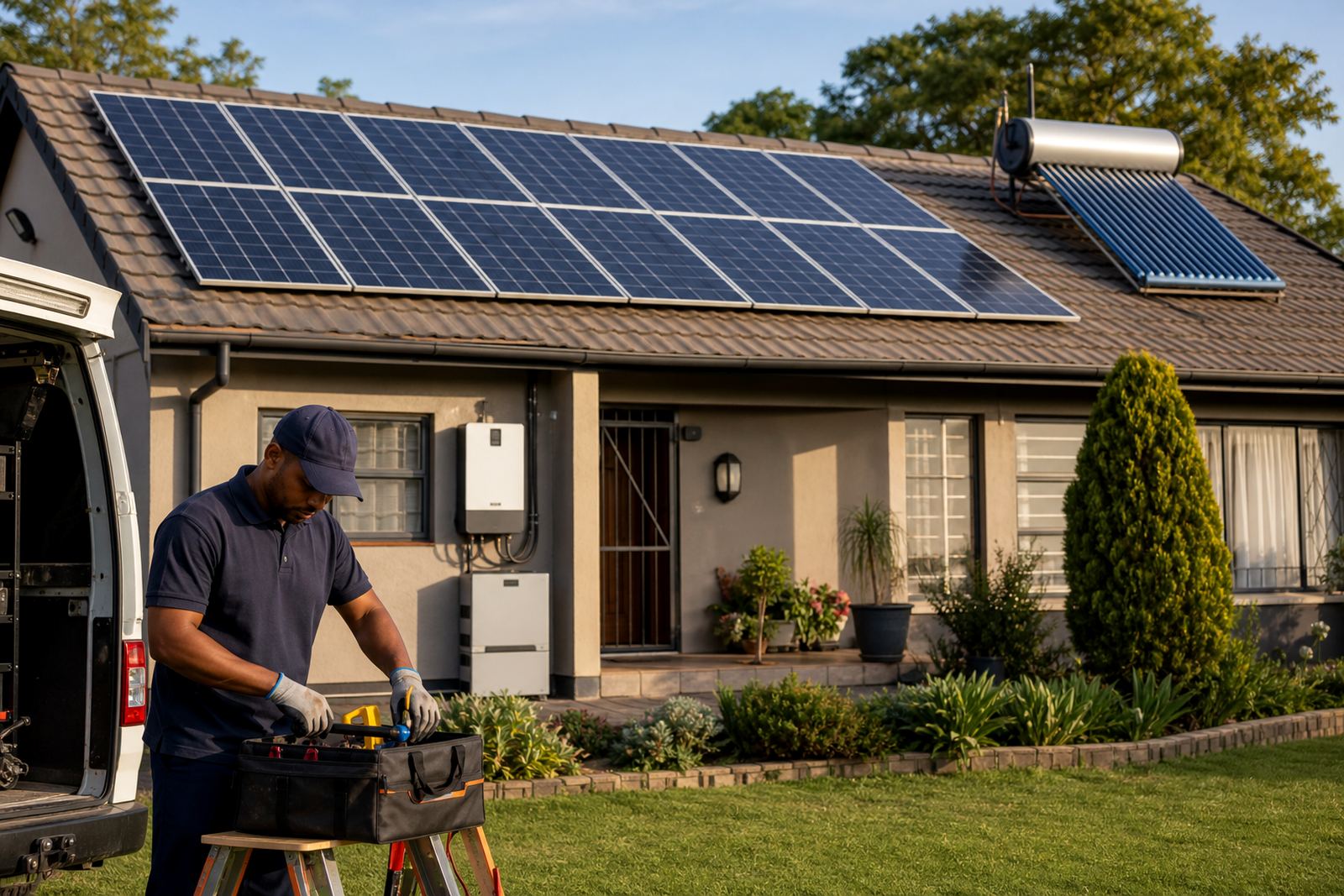
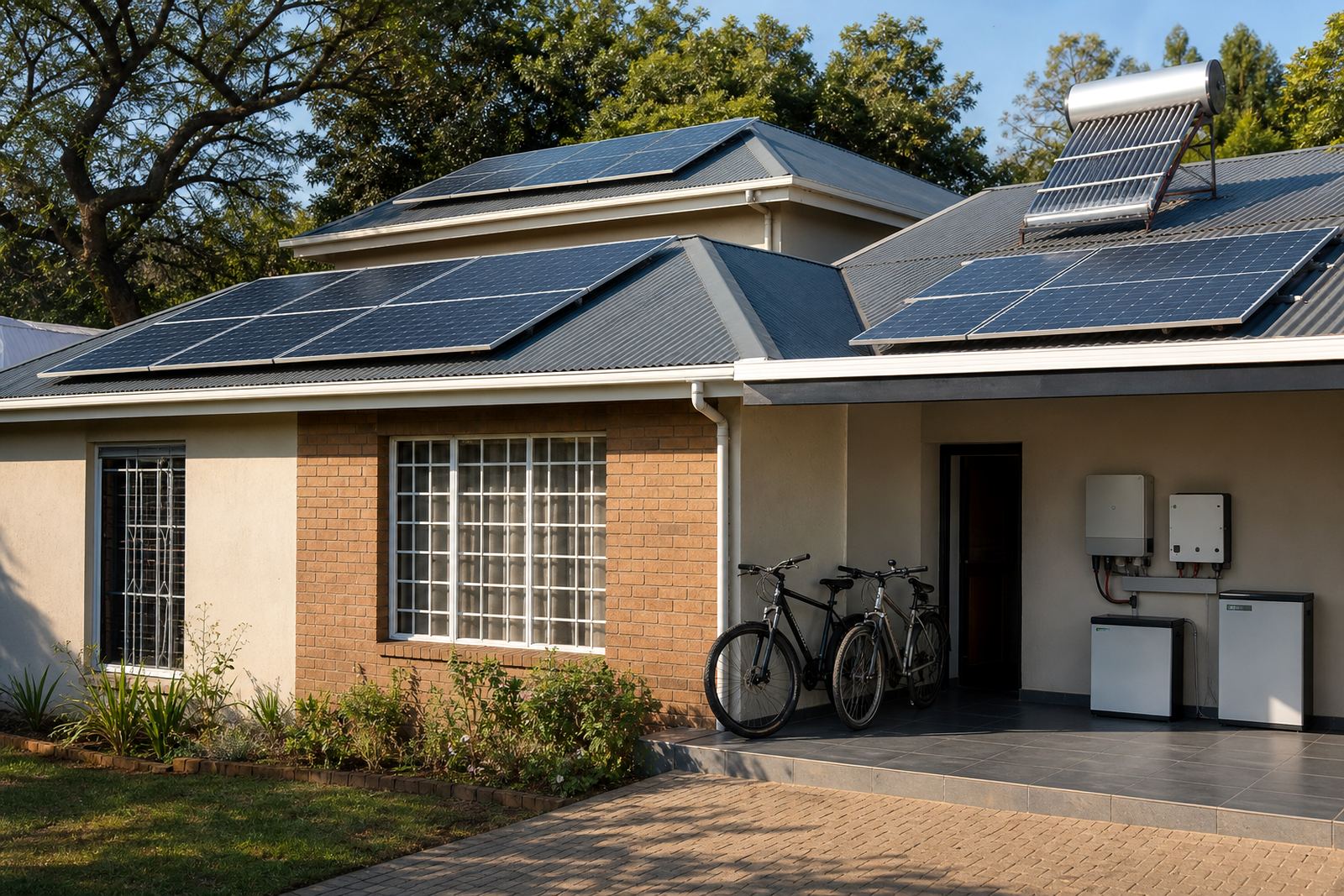
The client was a family living in Garsfontein, Pretoria, and the brief was straightforward: reduce reliance on grid power for water heating and improve day to day hot water availability. They wanted a system that would suit a busy home with morning and evening demand, but without needing constant attention. The property had a pitched roof with enough open south-facing and north-facing sections for a sensible layout, although the roof line meant we had to work carefully around existing tiles, gutters and the position of the geyser cylinder.
The family also wanted something that would hold up well in local conditions. Pretoria’s sun is reliable for most of the year, but winter mornings can be cold and there are still days when hot water use spikes just when the geyser has had less time to recover. We discussed the practical side in plain terms, including maintenance, roof access, and how the system would tie into their existing plumbing and electrical setup. The home already had a standard geyser arrangement, so the main goal was to add solar water heating without disrupting the household routine.
- Client type: family home
- Area: Garsfontein, Pretoria
- Main goal: improve hot water supply and cut grid dependence
- Roof type: pitched tiled roof with limited working space in places
How we approached the design and site assessment
We started with a site assessment at the property in Garsfontein to check roof orientation, available mounting space, plumbing route, and the best position for the storage cylinder and controls. The house had enough space for a sound installation, but the layout needed careful planning so that pipe runs stayed short and the system looked tidy from the ground. We also checked the condition of the roof structure and the path for the pipework into the ceiling void.
Because this was a family home, the installation had to fit around school runs, work schedules, and normal household use. We planned the work so that the team could complete the roof and plumbing sections with limited interruption. Electrical work was handled by qualified installers, which is important for safety and for getting the control side of the system correctly connected. The system design focused on reliable heat gain, controlled water temperatures and sensible maintenance access for future servicing.
- Assessment included roof space, geyser position and pipe route
- Electrical work completed by qualified installers
- Design considered winter use, pressure, and daily demand
- Access points planned for future maintenance and inspection
The equipment and installation scope
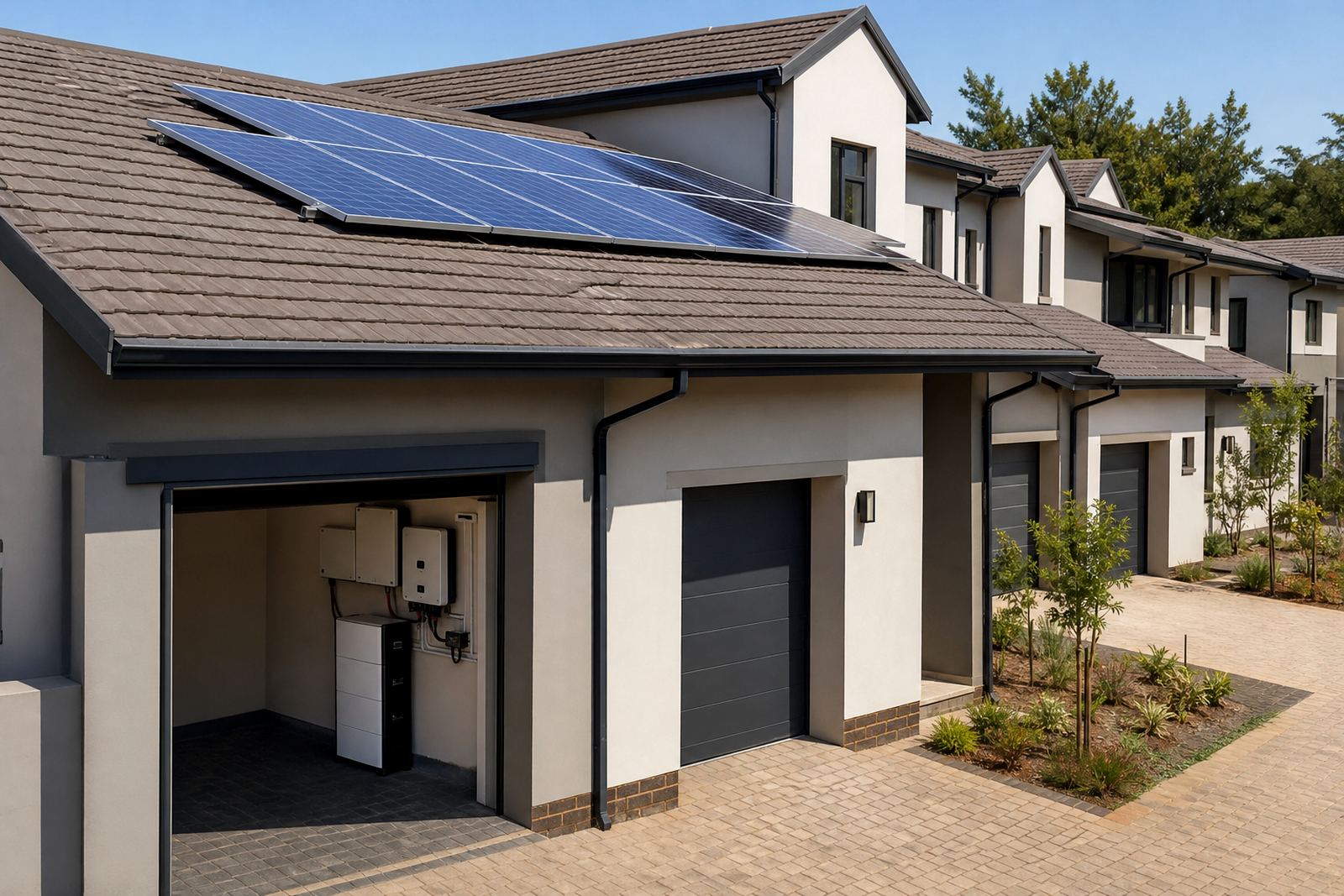
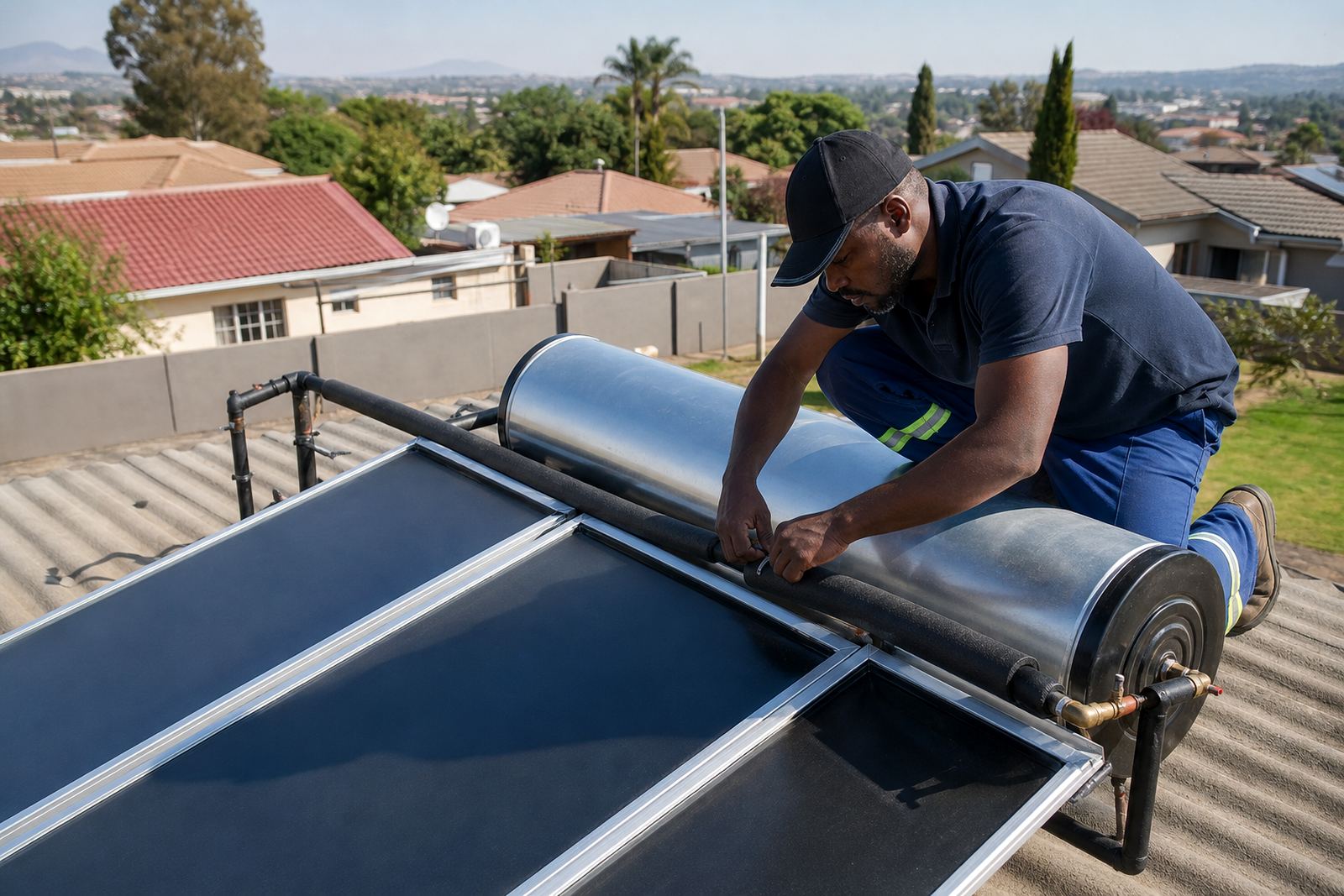
For this project we supplied and installed a solar water heating system made up of a roof-mounted collector array, storage cylinder, insulated plumbing connections, valves, and control components. The collector array was sized to suit a domestic home with steady hot water use, rather than a large commercial demand. We also installed the necessary integration components so the solar system could work alongside the existing water heating arrangement.
The installation included secure roof mounting, copper and insulated pipe runs, temperature control components, and careful sealing around all roof penetrations. Our team also checked the geyser connections, water pressure, and insulation quality to reduce heat loss. The work was completed neatly and with attention to the roof finish, because on a family home there is no room for loose pipe clips or sloppy flashing. That just causes trouble later.
- Roof-mounted solar collector array
- Storage cylinder matched to domestic use
- Insulated pipework and control fittings
- Integration with the existing geyser setup
- Roof sealing and weatherproofing around fixings
Timeline and working around the household routine
The full project ran over two weeks from assessment to commissioning. In the first week we completed the site check, confirmed the final layout, and prepared the materials. The second week covered installation, connection, testing and system handover. This timing suited the household well because it kept the disruption short and allowed us to finish the roof work before the final plumbing and commissioning stage.
We coordinated the work so the family still had access to parts of the home during the process. The crew kept the work area tidy and handled waste removal at the end of each day. That matters on residential jobs, especially where children, pets or neighbours are close by. The client also wanted to be sure the system would be easy to understand, so we explained the controls, the hot water recovery pattern, and what to watch for during the first few days after commissioning.
- Week 1: assessment, measurements and planning
- Week 2: installation, electrical integration and commissioning
- Disruption kept low for the household
- Handover included simple operating guidance
Results on a typical Pretoria family home
Once complete, the household had a solar water heating system set up for everyday use and ready to perform through Pretoria’s sun and cooler months. The family now has a more practical route to hot water that does not rely only on the electrical supply. For a home in Garsfontein, that brings real value during load-shedding periods and on days when the geyser would normally have to work harder than usual.
The system was commissioned to provide steady water heating with the correct safety controls in place. The family noticed that the setup was neat, easy to use, and properly matched to the home. We did not oversell the result, because the main win here is simple: a well planned installation that works with the property and the family’s daily rhythm. On a project like this, the best feedback is when the hot water becomes just part of the house again, not a daily hassle.
We also checked that the circulation and insulation were doing what they should, because poor pipe insulation can undo a lot of good work. The system was left with clear access for inspection, and the homeowner was shown how to monitor it during normal use. That extra bit of care helps prevent minor issues becoming bigger ones later on.
Lessons We’d Apply On A Similar Project
If we were doing another solar water heater installation in Garsfontein, we would follow the same process: proper assessment, a layout matched to the roof, careful pipe routing, and qualified electrical work. Those are the parts that make the difference on a residential job. The system has to suit the home, not force the home to suit the system. That is especially true in older Pretoria houses where roof space, ceiling access and plumbing routes can vary a lot.
We would also keep the same practical approach to communication. The client knew what was happening at each stage, who was doing the work, and what the final handover would include. For homeowners, that matters as much as the hardware. A tidy install with sensible planning lasts better, and it is easier to maintain. If the property needs future support, we can return for maintenance, fault finding, panel cleaning on other systems, or callouts as needed.
This project is a good example of what we do across Pretoria and beyond: supply and install solar water heating systems for homes and small businesses, with proper attention to the site conditions and the way people actually use hot water every day.
Key facts
| Project location | Garsfontein, Pretoria |
|---|---|
| Client type | Family home |
| System type | Domestic solar water heating |
| Timeline | 2 weeks from assessment to commissioning |
| Main works | Site assessment, installation, electrical integration, commissioning |
| Service area | Pretoria, Centurion, Johannesburg, Durban, Cape Town and Bloemfontein |